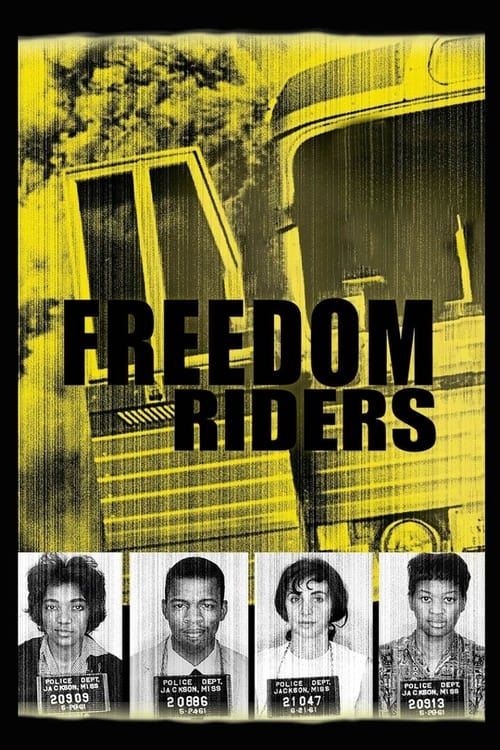
Freedom Riders
2010
No user ratings available yet
Representation score: 7.0 out of 10
Representation Score
Excellent
2017
TV-MADirector
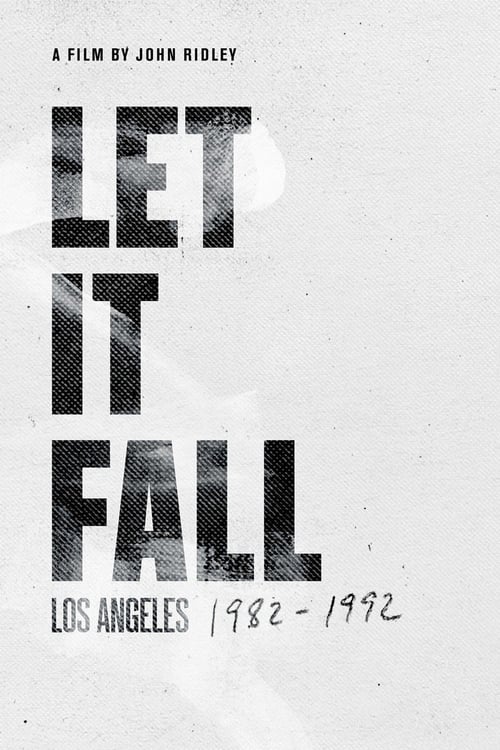
John Ridley
Runtime
144 minutes
Average Rating
No ratings yetNew Showbiz Analysis
John Ridley delivers a sophisticated historical documentation that challenges standard urban history narratives. The film moves beyond simple chronology to explore deep-seated identity politics and power imbalances in Los Angeles. By centering the friction between minority populations and law enforcement, the documentary grants a significant role in driving the story to underrepresented communities. It effectively frames their struggle against institutional structures as the era's central driving force. While the film is a powerful critique of systemic inequality, it maintains a narrow focus on racial and socioeconomic identity, leaving other demographic representations largely unaddressed.
Category Breakdown
The documentary focuses on the socio-political landscape of racial unrest. There is no explicit evidence of queer-centric arcs or non-cisgender identities within the narrative.
The film prioritizes community-driven struggle over traditional patriarchal leadership. This emphasis suggests a moderate challenge to male-centric authority and individualistic power structures.
The work excels by centering Black and Latino experiences as primary narrative drivers. It disrupts conventional historical lenses by framing the 1992 uprising as an expression of community ability to act.
The film critiques Western institutions by portraying law enforcement as a source of systemic oppression. It uses civil unrest to deconstruct the traditional social contract and institutional stability.
There is no significant evidence of characters with visible or invisible disabilities serving as central agents. The narrative focus remains on racial and socioeconomic identity.
Present on Screen
Limited or Absent
Official Synopsis
An in-depth look at the culture of Los Angeles in the ten years leading up to the 1992 uprising that erupted after the verdict of police officers cleared of beating Rodney King.
2010
2017
2011
2012
2017
2012
2017
2016
No reviews yet. Be the first to share your thoughts on this movie!
Use the rating form above to leave a star rating and optional review.