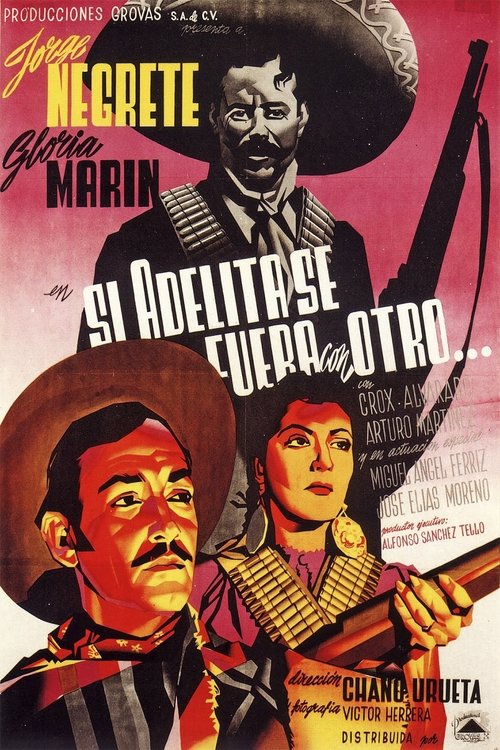
Si Adelita se fuera con otro
1948
No user ratings available yet
Diversity score: 3.7 out of 10
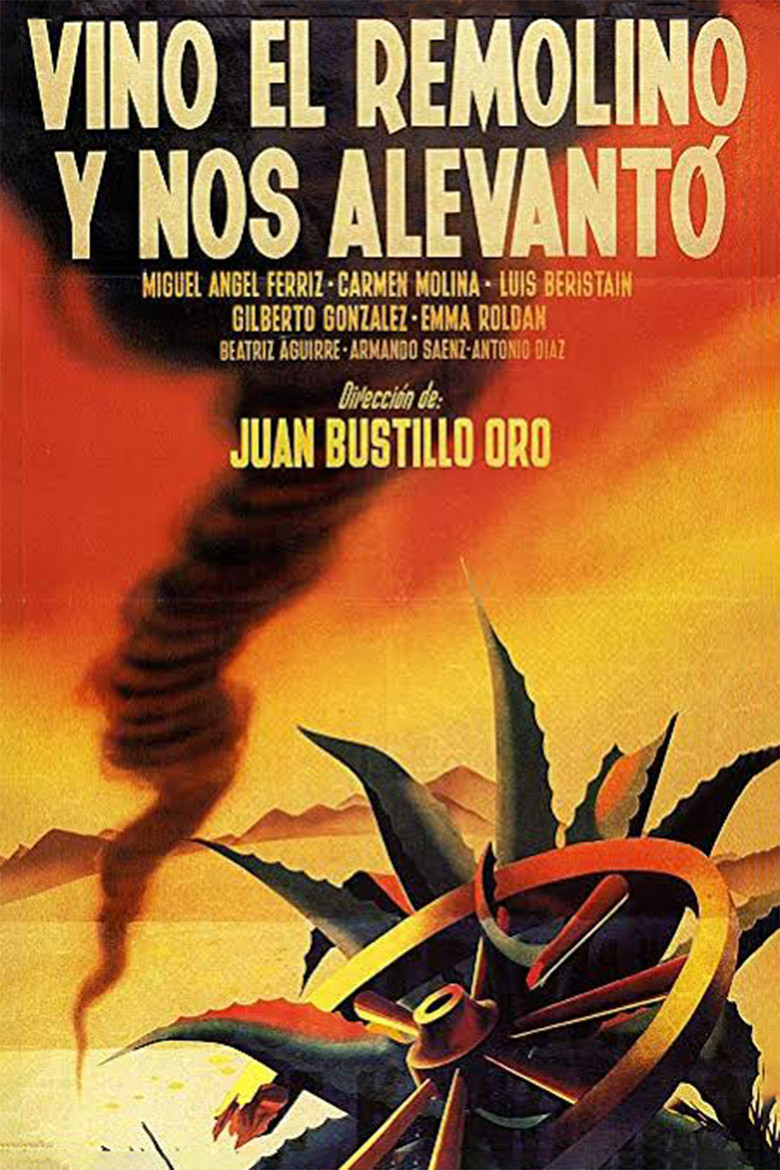
1950
Director
Juan Bustillo Oro
Runtime
93 minutes
Average Rating
No ratings yetSynopsis
Three generations of a stable, middle-class family in the capitol are scattered to the four winds by blowback from the Mexican Revolution.
Overall Score
Fair
Category Breakdown
LGBTQ+ Representation
The film adheres to the heteronormative social structures typical of 1950s Mexican cinema. There is no documented evidence of queer narratives or non-cisnormative identities.
Gender Representation
The story centers on a middle-class family structure that likely relies on established gender roles. While women may navigate wartime displacement, the film appears to prioritize patriarchal lineage.
Racial & Ethnic Diversity
The film offers a localized, non-Western lens on historical conflict. However, the focus on a middle-class family suggests a specific socio-economic stratification that may limit ethnic breadth.
Religious & Cultural Diversity
The narrative challenges the sanctity of the traditional family unit by portraying it as vulnerable to revolution. It views social institutions as subject to violent, systemic change.
Disability Representation
There is no specific evidence regarding the portrayal of physical or neurodivergent disabilities within the film's narrative.
Strengths
Areas for Improvement
AI Analysis
Juan Bustillo Oro’s drama provides a significant historical perspective by centering a Mexican viewpoint on the transformative Mexican Revolution. It moves away from the Eurocentric narratives common in mid-20th-century international cinema. However, the film remains constrained by the era's cinematic conventions. It lacks explicit intersectional markers, focusing instead on how macro-historical forces disrupt the domestic stability of a middle-class family. The work functions more as a study of systemic volatility and displacement than as a vehicle for diverse identity representation.
1948

2013
1942
1949
1970

1949

1971
1940
1967

2005

2016
1970
No reviews yet. Be the first to share your thoughts on this movie!
Use the rating form above to leave a star rating and optional review.