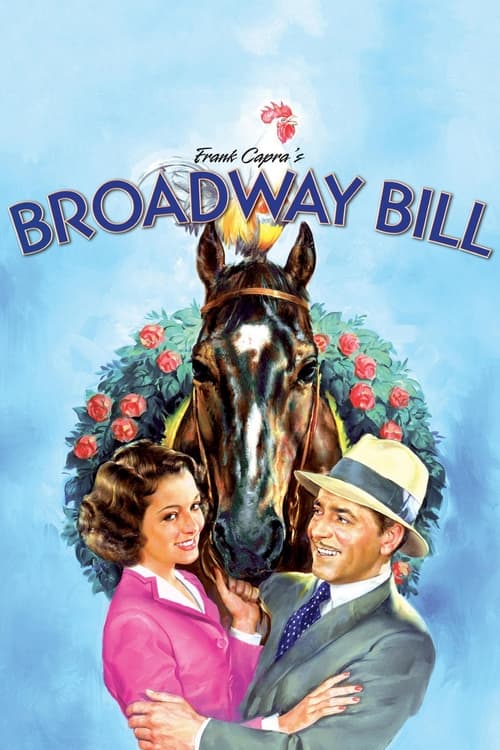
Broadway Bill
1934
No user ratings available yet
Diversity score: 1.7 out of 10
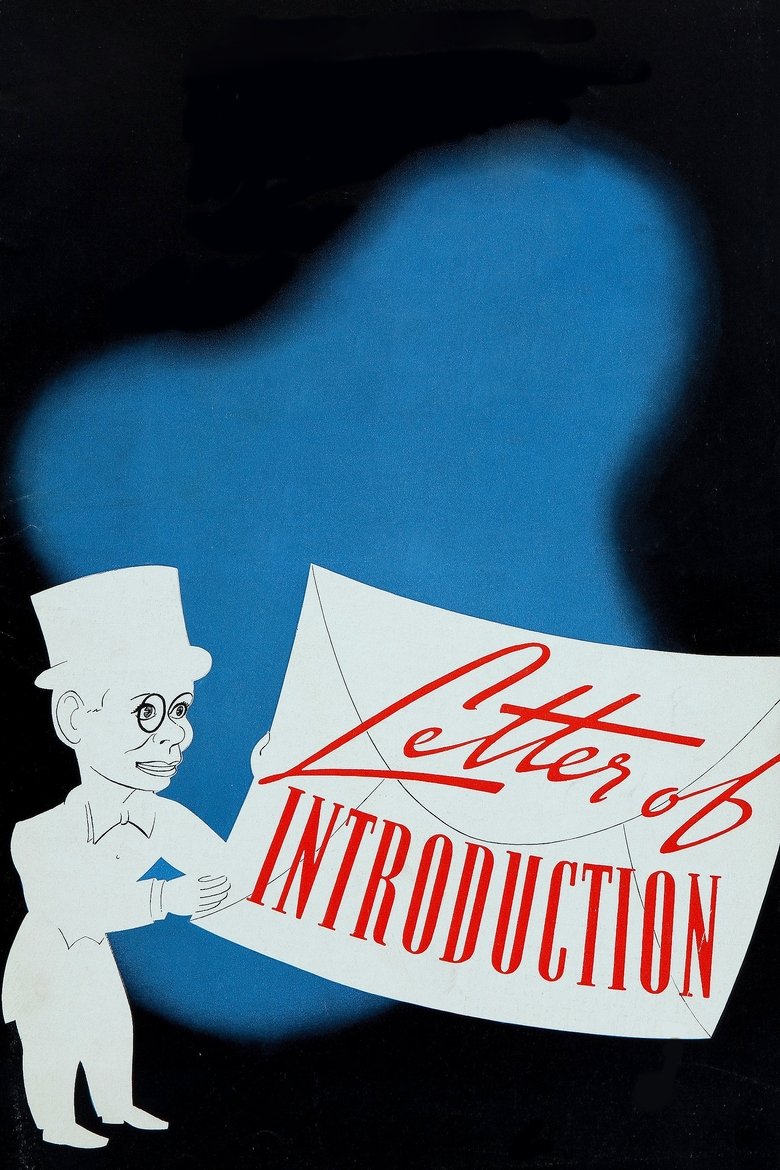
1938
NRDirector
John M. Stahl
Runtime
104 minutes
Average Rating
No ratings yetSynopsis
An aging actor, trying to make a comeback on Broadway, is surprised when his estranged daughter shows up. It seems that she is an actress and is also trying to make it on Broadway. He tries to re-establish his relationship with her while also trying to hide the fact that she is his daughter from the press.
Overall Score
Limited
Category Breakdown
LGBTQ+ Representation
The film operates within a strictly heteronormative framework. There is no evidence of non-cisnormative identities or same-sex intimacy, functioning instead as a classical courtship drama.
Gender Representation
Gender hierarchies remain traditional, with the female lead's agency tied to her romantic relationship and social vulnerability. Masculinity is portrayed through the lens of stability and provision.
Racial & Ethnic Diversity
The production features a homogeneous, predominantly white, upper-class cast. There is no significant presence of non-white characters or evidence of race-bent casting.
Religious & Cultural Diversity
The narrative uses class tension as a backdrop for melodrama rather than a systemic critique. It upholds traditional Western values regarding class distinctions and romantic idealism.
Disability Representation
There are no visible or invisible disabilities portrayed. Characters exist within the standard physical and neurotypical parameters of classical Hollywood melodrama.
Strengths
Areas for Improvement
AI Analysis
This 1938 drama is a quintessential product of the studio era, prioritizing romantic idealism and social hierarchies over systemic critique. The narrative focuses on the intersection of class and family dynamics within a high-society setting. While the film explores the professional ambitions of its actors, it does so through a lens that reinforces traditional 1930s social norms. The lack of intersectional representation and reliance on conventional dynamics results in a traditionalist approach to storytelling. Ultimately, the film functions as a polished melodrama that maintains the prevailing cultural status quo of its time without attempting to subvert established structures.
1934
1934

1942
1964
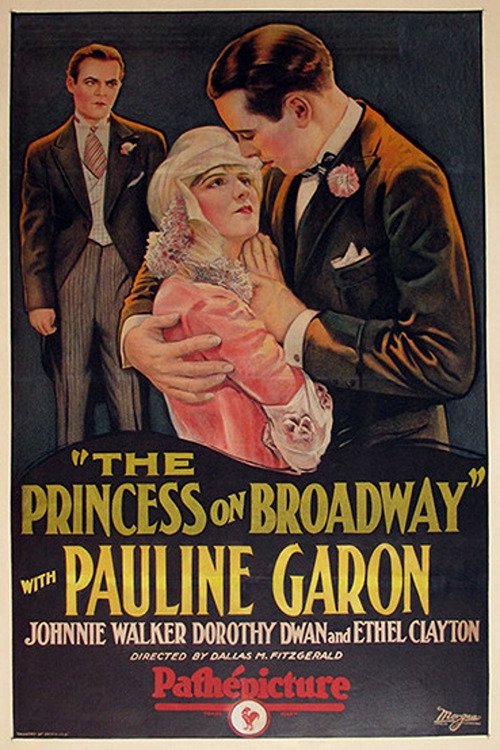
1927
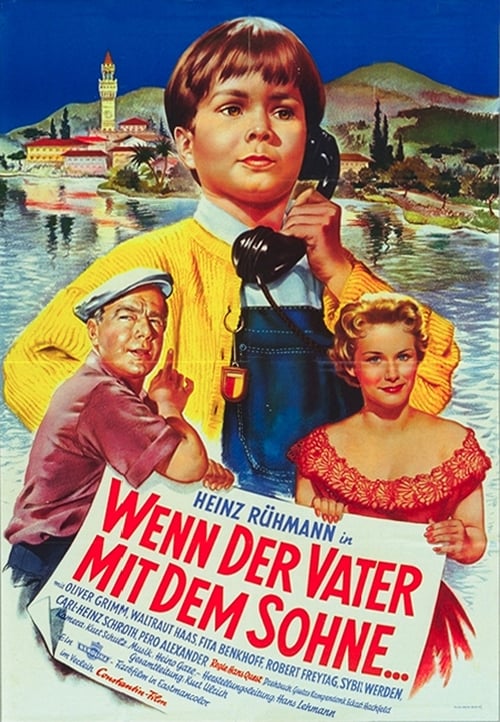
1955
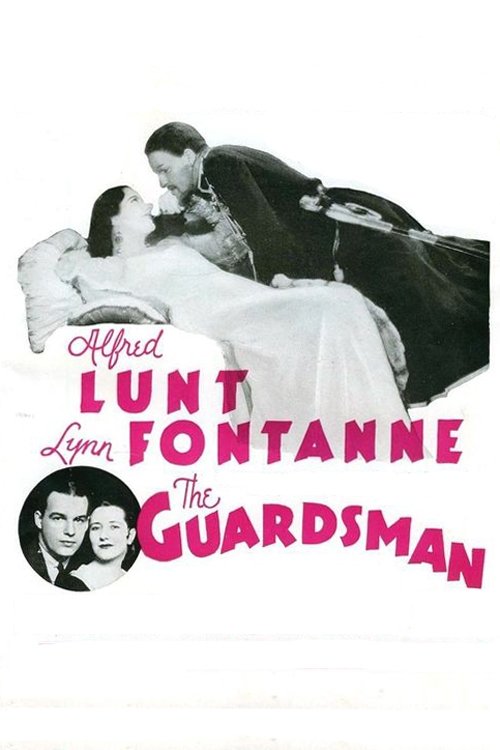
1931
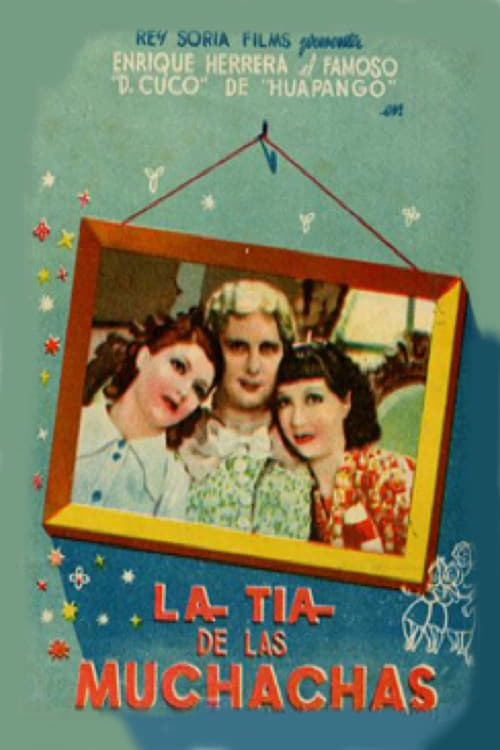
1938

1936
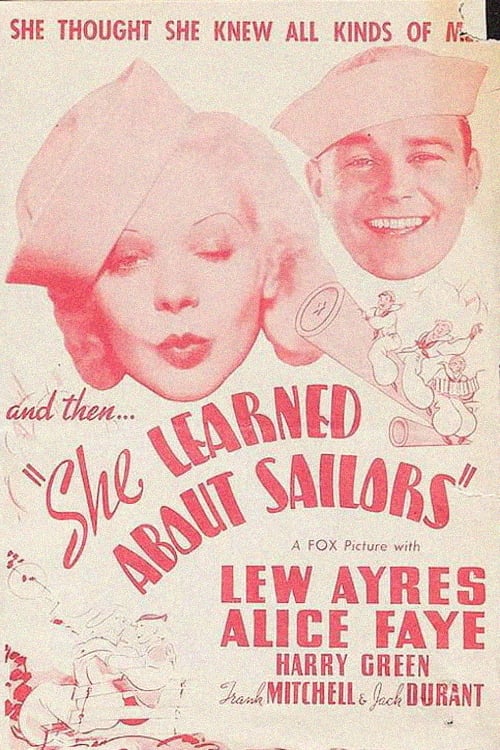
1934
1933
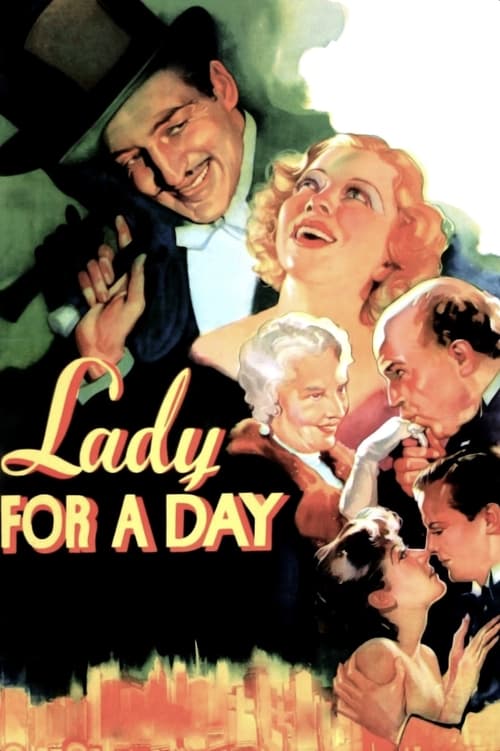
1933
No reviews yet. Be the first to share your thoughts on this movie!
Use the rating form above to leave a star rating and optional review.