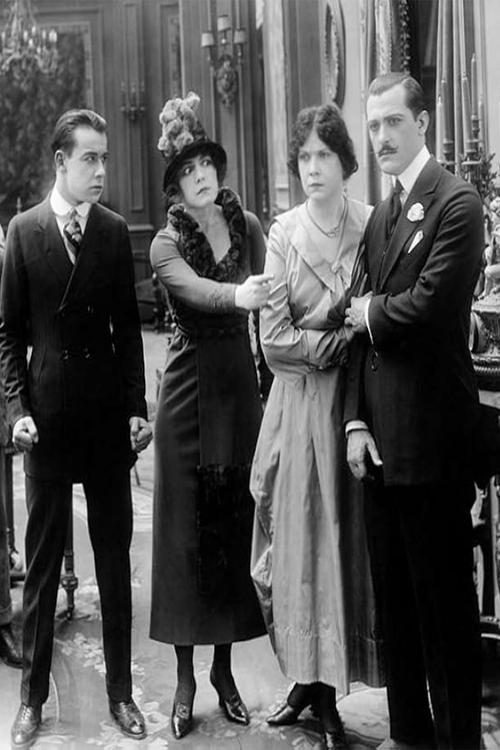
Just Sylvia
1918
No user ratings available yet
Representation score: 1.3 out of 10
Representation Score
Minimal
1927
PassedDirector
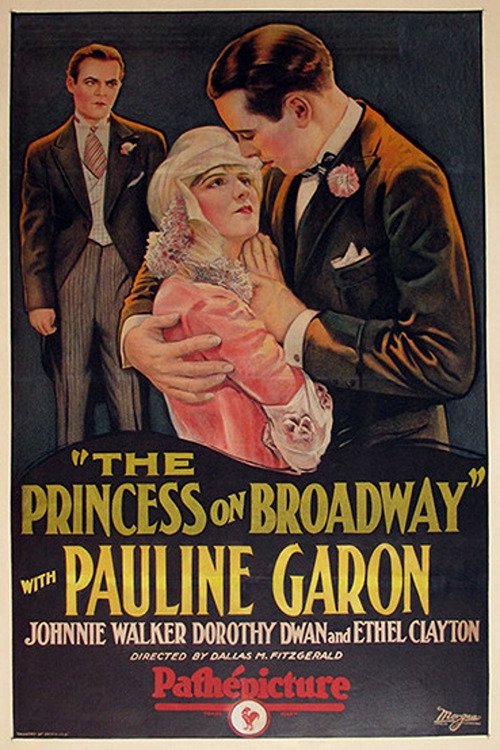
Dallas M. Fitzgerald
Runtime
60 minutes
Average Rating
No ratings yetNew Showbiz Analysis
The film operates as a standard 1920s comedy-drama, relying heavily on established social hierarchies and romantic clichés. While the female lead drives the plot, her mobility is tied to male-facilitated deceptions and romantic charm. Representation is limited by the era's conventions. The narrative uses ethnic labels like 'Russian' merely as tools for class climbing rather than providing meaningful cultural depth. The focus remains on the tension between social classes and the consequences of deception. Ultimately, the film reinforces traditional structures rather than challenging them. It lacks depth in exploring multiple aspects of identity, focusing instead on a narrow view of social mobility and romantic resolution.
Category Breakdown
The film follows a traditional romantic framework focused on heterosexual relationships. There are no depictions of LGBTQ+ identities or same-sex intimacy.
Mary Ryan takes control by transitioning from waitress to performer. However, her success relies on male agents and a romantic interest, keeping her within traditional gendered structures.
The use of 'Russian royalty' serves as a class-based plot device rather than an exploration of ethnicity. The cast appears predominantly homogeneous and Western-centric.
The story explores friction between working-class and elite social strata. It touches on institutional legal systems through a social reformer, but seeks traditional social reconciliation.
The narrative contains no depictions of physical, sensory, or neurodivergent characters. Disability is not a featured element of the story.
Present on Screen
Limited or Absent
Official Synopsis
After losing her job as a waitress, Mary Ryan is hired to work in a traveling show's chorus line by theatrical agent Leon O'Day and his partner. The agents convince a young, wealthy socialite named Seymour to finance a brand-new show. To secure the gig and the funding, they lie to Seymour and tell him that Mary is actually a Russian princess in hiding. The deception completely charms Seymour, and Mary gets her contract. Her fabricated royal status takes off when Seymour's mother invites Mary to tea, catapulting her to society stardom. However, the lie threatens to unravel when Mrs. Seymour—an avid social reformer—takes Mary and Seymour to a night court, where Mary's missing sister Rose is brought in under arrest. When Mary claims her sister, the truth is exposed, leading to a series of complications and dramatic resolutions.
1918
1937

1926
1919
1937
1928
1941
1939
No reviews yet. Be the first to share your thoughts on this movie!
Use the rating form above to leave a star rating and optional review.