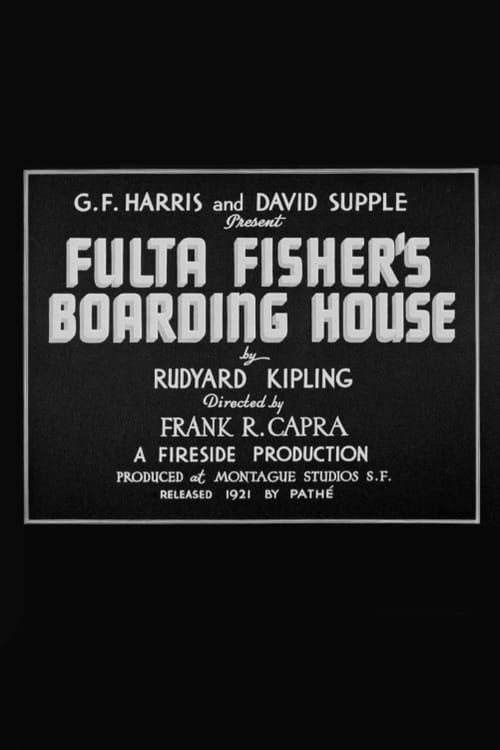
Fulta Fisher's Boarding House
1922
No user ratings available yet
Diversity score: 2.4 out of 10
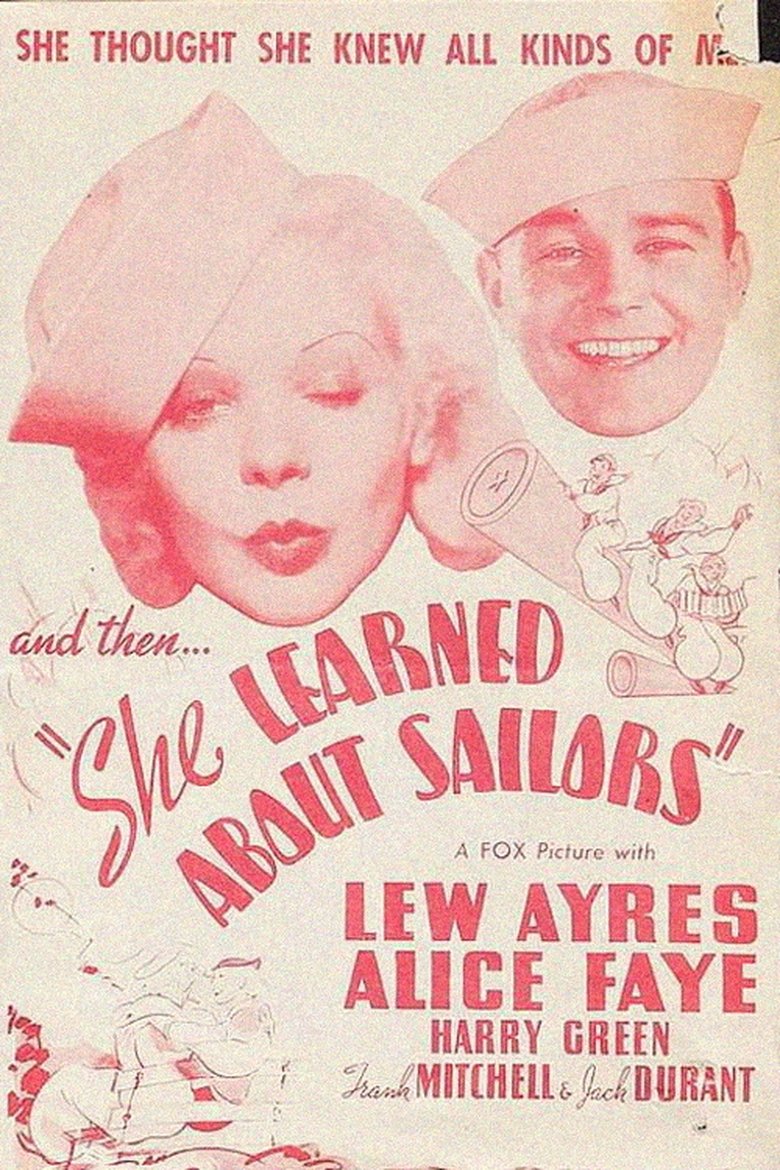
1934
PassedDirector
George Marshall
Runtime
78 minutes
Average Rating
No ratings yetSynopsis
Shanghai nightclub singer Jean falls in love to a sailor, but after his ship left Shanghai, he is of the opinion that he cannot support her in the States, so he writes her in a letter, that he will not see her again, but two practical jokers intercept it and write another with an opposite content. Jean comes to the states, but her sailor doesn't acknowledge her, but the two don't give up trying to bring Jean and sailor back together.
Overall Score
Limited
Category Breakdown
LGBTQ+ Representation
The film focuses on a traditional romantic arc between a female singer and a male sailor. There is no evidence of non-cisnormative identities or narratives that critique heteronormativity.
Gender Representation
While Jean is a central figure, her agency is undermined by external manipulation from practical jokers. The plot also relies on traditional gendered economic dynamics regarding financial support.
Racial & Ethnic Diversity
The Shanghai setting offers potential for ethnic diversity, but the narrative remains centered on Western characters. It lacks evidence of challenging the racial hierarchies common in 1934 cinema.
Religious & Cultural Diversity
The story follows a standard comedy of errors trope without prioritizing secularism or critiquing Western institutions. It emphasizes traditional social reintegration through a conventional romantic structure.
Disability Representation
There are no visible or invisible disabilities mentioned or implied within the character descriptions or plot.
Strengths
Areas for Improvement
AI Analysis
She Learned About Sailors operates as a standard 1930s romantic comedy, adhering strictly to the social and narrative norms of its era. The plot relies on situational misunderstandings and external manipulation rather than complex character development. The film lacks intersectional depth, focusing instead on a conventional journey from an international setting back to the United States. It does not attempt to subvert systemic power dynamics or traditional hierarchies. Ultimately, the production functions as a period piece that prioritizes lighthearted comedy over progressive representation or social critique.
1922

1929

1938

1946

1939
1937

1934

1939

1933
1938

1936

1934
No reviews yet. Be the first to share your thoughts on this movie!
Use the rating form above to leave a star rating and optional review.