Ludwig
1973
No user ratings available yet
Representation score: 6.9 out of 10
Representation Score
Fair
1997
RDirector
Brian Gilbert
Runtime
118 minutes
Average Rating
No ratings yetNew Showbiz Analysis
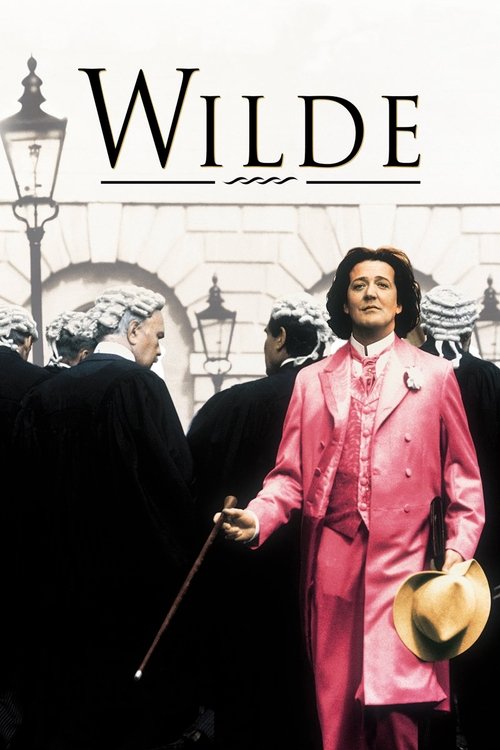
Wilde is a thoughtful exploration of identity and societal oppression. By highlighting the legal persecution of same-sex relationships, the film goes beyond a simple historical account to question the dominance of straight-centered laws. The film excels in its intellectual examination of Victorian power structures. It portrays Wilde's intellect as a means of resistance against oppressive systems, effectively challenging the era's rigid hierarchies. However, the film's historical context limits its scope. The social setting is narrowly focused on a homogenous Anglo-Saxon community, lacking diversity in both race and gender.
Category Breakdown
The film focuses on the relationship between Oscar Wilde and Lord Alfred Douglas, making their same-sex romance a key part of the story. This relationship drives the plot forward.
Oscar Wilde challenges the traditional masculine roles of the Victorian era through his intelligence and artistic sensibilities. However, the story mainly revolves around male characters and conflicts, offering less depth for female characters.
The film is set in a predominantly white, upper-class society of Victorian London, with no visible diversity among the main characters. There are no characters from different racial or ethnic backgrounds.
The story criticizes the strict moral codes of the Victorian era, focusing instead on individual freedom and personal choice. It downplays the influence of religion and state-mandated morality.
The film does not depict any characters with physical, sensory, or neurodevelopmental disabilities.
Present on Screen
Limited or Absent
Official Synopsis
Oscar Wilde is a married playwright who has occasionally indulged his weakness for male suitors. After much toil, Wilde debuts 'The Importance of Being Earnest' in London, and a chat at the theatre with Lord Alfred 'Bosie' Douglas leads to a full-fledged romance. However, this affair leads to a legal dispute with Lord Alfred's oppressive father, the Marquess of Queensberry, and, given the local anti-gay laws, Wilde is jailed. Wilde's vast intellect helps him survive until he regains his freedom.
1973
2018
2014
1986
2008

1987

2009

1997
No reviews yet. Be the first to share your thoughts on this movie!
Use the rating form above to leave a star rating and optional review.