
Factory Girl
2006
No user ratings available yet
Representation score: 7.9 out of 10
Representation Score
Good
2006
RDirector
Steven Shainberg
Runtime
122 minutes
Average Rating
No ratings yetNew Showbiz Analysis
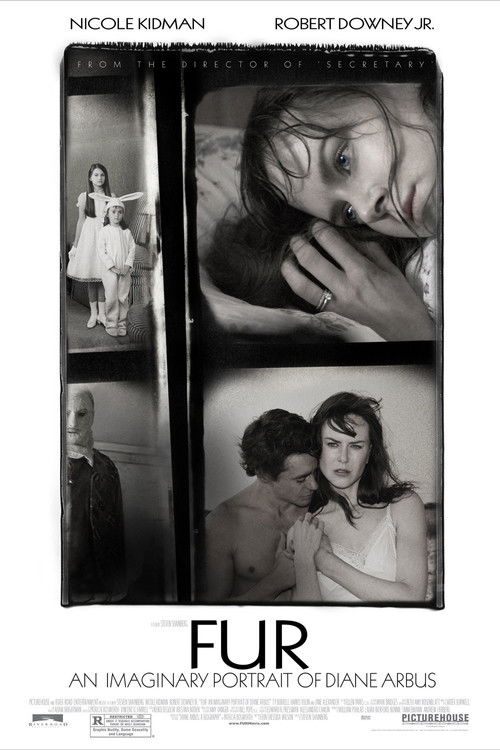
Fur is a psychological character study that prioritizes the subversion of gendered domesticity and the embrace of moral relativism. It succeeds in deconstructing the subject's psyche rather than providing a standard historical recount. However, the film's impact is limited by a lack of demographic breadth. The focus remains strictly localized to a white, privileged demographic, which prevents a more inclusive exploration of the era. Ultimately, the film's strength lies in its challenge to conventional social morality and its focus on female creative ability to act, even if it lacks significant LGBTQ+ or racial representation.
Category Breakdown
The story focuses on a heterosexual relationship and does not include explicit LGBTQ+ identities or characters critiquing the assumption that everyone is straight or cisgender.
The film challenges mid-century domesticity by making Arbus the primary driver of her own artistic journey. It avoids the cliché of the stable husband by presenting a shared, volatile obsession.
The cast is primarily white, reflecting the socioeconomic landscape of 1950s New York. The narrative lacks diverse ethnic representation or actors from different racial backgrounds.
The narrative rejects traditional Western social norms in favor of moral relativism. It portrays the protagonist's discomfort with her privileged upbringing as a valid rejection of societal norms.
The film explores psychological instability and neurodivergence through intense character studies. These mental states are portrayed with ability to act rather than being used as objects of ridicule.
Present on Screen
Limited or Absent
Official Synopsis
In 1958 New York Diane Arbus is a housewife and mother who works as an assistant to her husband, a photographer employed by her wealthy parents. Respectable though her life is, she cannot help but feel uncomfortable in her privileged world. One night, a new neighbor catches Diane's eye, and the enigmatic man inspires her to set forth on the path to discovering her own artistry.
2006

2009
1996

2016

2018
2008
2014
2017
No reviews yet. Be the first to share your thoughts on this movie!
Use the rating form above to leave a star rating and optional review.