Lady in the Lake
1946
No user ratings available yet
Representation score: 0.4 out of 10
Representation Score
Limited
1949
ApprovedDirector
Rudolph Maté
Runtime
83 minutes
Average Rating
No ratings yetNew Showbiz Analysis
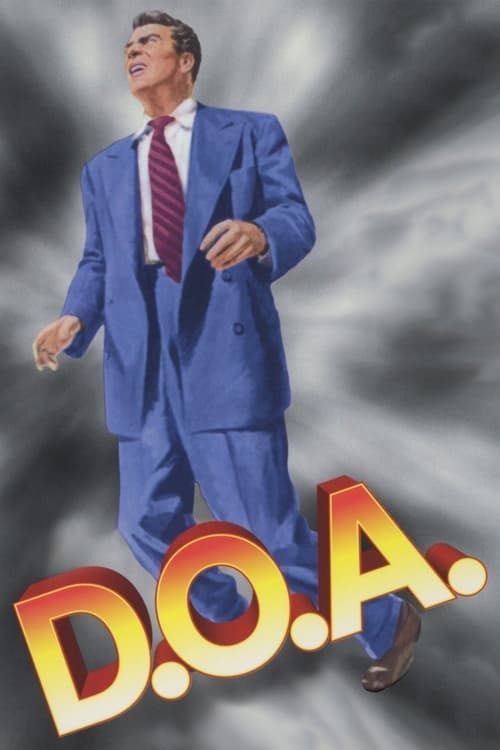
D.O.A. is a classic noir that emphasizes suspense and individual mortality over broader social issues. The film excels in its tight construction and its exploration of institutional corruption and the breakdown of systemic reliability. However, it is deeply rooted in the restrictive social frameworks of 1949. It lacks intentionality regarding demographic diversity, presenting a world that is largely homogeneous and centered on traditional gender and social hierarchies. Ultimately, while the film provides a sophisticated look at a man racing against death, it does not challenge the era's demographic norms or offer representation for underrepresented identities.
Category Breakdown
The film does not include any LGBTQ+ characters or explore non-straight relationships. The interpersonal dynamics focus on traditional romantic and professional relationships typical of the time.
Female characters such as Paula and Ann play supportive roles or remain mysterious. They contribute to the plot but are constrained by traditional gender hierarchies and do not have independent ability to act.
The cast is predominantly white, reflecting the production standards of the mid-century. There is a lack of racial diversity or non-white protagonists in the urban setting.
The narrative critiques systemic corruption through a network of corrupt businessmen. However, it focuses on genre-driven moral relativism rather than broader ideological or cultural rebellion.
The protagonist's poisoning serves as a high-stakes narrative device. This physical crisis functions as a ticking clock rather than a nuanced exploration of living with a condition.
Present on Screen
Limited or Absent
Official Synopsis
Frank Bigelow is about to die, and he knows it. The accountant has been poisoned and has only 24 hours before the lethal concoction kills him. Determined to find out who his murderer is, Frank, with the help of his assistant and girlfriend, Paula, begins to trace back over his last steps. As he frantically tries to unravel the mystery behind his own impending demise, his sleuthing leads him to a group of crooked businessmen and another murder.
1946
1948
1951

1944
1950
1948
1965
1947
No reviews yet. Be the first to share your thoughts on this movie!
Use the rating form above to leave a star rating and optional review.