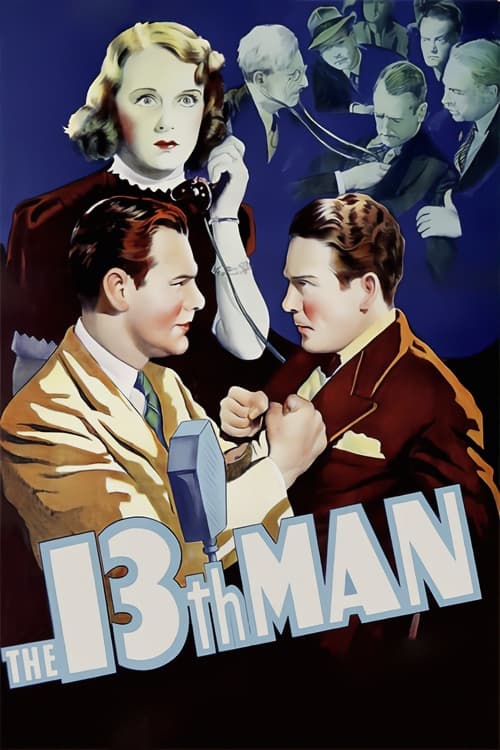
The 13th Man
1937
No user ratings available yet
Representation score: 1.4 out of 10

Representation Score
Minimal
1942
PassedDirector
Arthur Dreifuss
Runtime
74 minutes
Average Rating
No ratings yetNew Showbiz Analysis
The Payoff is a standard genre piece that reflects its historical context. It prioritizes efficient storytelling within established crime genre clichés over exploring diverse identities or challenging social hierarchies. The film maintains the demographic and social norms of the early 1940s. It relies on established clichés that reinforce traditional hierarchies regarding race, gender, and social identity. While the film engages with themes of corruption and moral relativism, these elements are confined to individual criminality. The narrative does not attempt to deconstruct or challenge the broader social structures of the era.
Category Breakdown
The film adheres to the conventional structures of 1942, focusing on heterosexual relationships and without any representation of diverse gender identities or same-sex intimacy.
Male characters play key roles in driving the plot, while female characters have supporting roles. The film upholds traditional gender hierarchies common in early noir and crime genres.
The cast and setting reflect the homogeneous urban demographics typical of early Hollywood. Characters of color do not have significant roles in the narrative.
The story explores moral ambiguity and situational ethics through a crime investigation. However, it operates within traditional legal frameworks without challenging broader social institutions.
There is no documented evidence of characters with visible or invisible disabilities. Disability is not used as a narrative theme or tool for character development.
Present on Screen
Limited or Absent
Official Synopsis
The city's District Attorney is murdered, and a newspaper reporter investigates. He starts finding out that everything wasn't quite as cut and dried as it appeared to be.
1937
1942
1933
1948
1937
1940
1949

1940
No reviews yet. Be the first to share your thoughts on this movie!
Use the rating form above to leave a star rating and optional review.