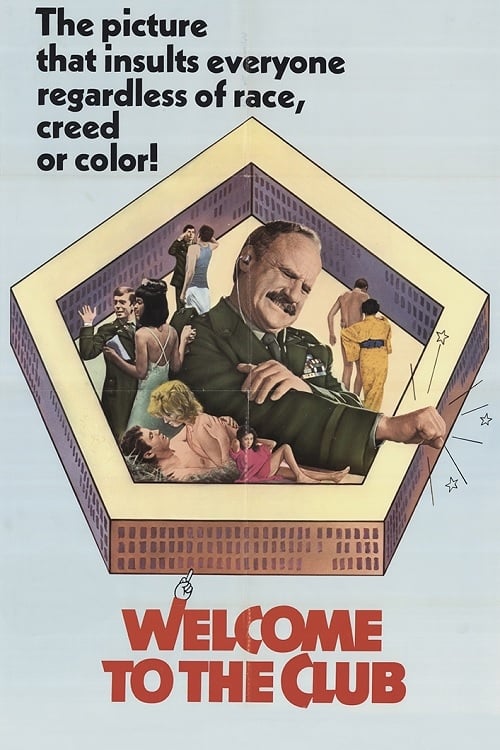
Welcome to the Club
1971
No user ratings available yet
Representation score: 2.1 out of 10

Representation Score
Limited
1957
ApprovedDirector
Daniel Mann
Runtime
123 minutes
Average Rating
No ratings yetNew Showbiz Analysis
The film serves as a period piece reflecting the social constraints of 1957. It explores the complexities of post-war occupation and the tension between Eastern traditions and Western presence. However, the work remains anchored in the traditional hierarchies of its time. It does not actively seek to challenge or subvert the prevailing power structures related to gender or sexual orientation. While the narrative observes Okinawan customs, it is driven by an American protagonist, maintaining a colonial power dynamic.
Category Breakdown
The film does not include any identifiable LGBTQ+ characters or narratives. The social framework adheres strictly to mid-century standards that assume everyone is straight.
Female characters are primarily placed in domestic or service-oriented roles. The narrative upholds traditional hierarchies without providing female leadership or ability to act that challenges patriarchal structures.
The Okinawan cast offers significant representation of a non-Western culture. However, power dynamics reflect the ongoing influence of historical colonization, where the American military retains systemic control.
The story focuses on the preservation of Okinawan traditions against foreign influences. It presents a nuanced view of the conflict between American expansion and local cultural institutions.
There are no visible or invisible disabilities featured prominently in the character arcs or narrative development.
Present on Screen
Limited or Absent
Official Synopsis
In post-WWII Japan, an American captain is brought in to help build a school, but the locals want a teahouse instead.
1971

1953
1958

1958

1996

1949
1961

1958
No reviews yet. Be the first to share your thoughts on this movie!
Use the rating form above to leave a star rating and optional review.