
MAL·MO·E: The Secret Mission
2019
No user ratings available yet
Representation score: 4.4 out of 10
Representation Score
Limited
2008
Director
Ha Ki-ho
Runtime
111 minutes
Average Rating
No ratings yetNew Showbiz Analysis
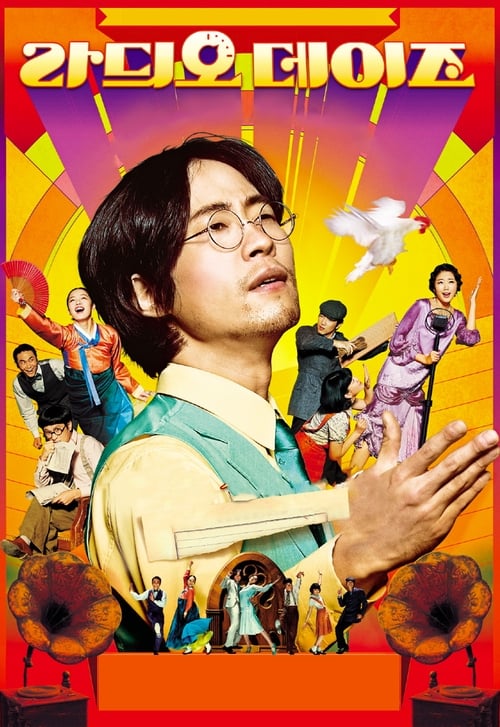
Radio Dayz primarily functions as a historical critique of colonial hegemony. Its strength lies in its thematic engagement with the struggle for ethnic identity under Japanese occupation. By framing the JODK radio station as a propaganda machine, the film deconstructs the legitimacy of imperialist institutions. However, the film lacks breadth in its social representation. It does not provide visibility for LGBTQ+ individuals or characters with disabilities. The gender dynamics appear rooted in the traditional hierarchies of the early 20th century rather than challenging them. Ultimately, the film is a concentrated study of systemic oppression. While it excels at exploring the tension between an imperial power and a colonized populace, it remains narrow in its scope regarding other forms of social diversity.
Category Breakdown
The film does not include any visible representation of LGBTQ+ characters. It does not explore any non-straight relationships or identities.
The story focuses on the political mechanics of colonial occupation. It follows a traditional patriarchal structure typical of the 1933 setting.
The plot centers on the conflict between Japanese occupiers and the Korean people. It explores ethnic ability to act and resistance against cultural erasure.
The film engages deeply with anti-imperialist themes. It critiques colonial authority by portraying state institutions as tools for systemic oppression.
There is no information regarding the inclusion of characters with physical or neurodivergent disabilities. The narrative does not address disability.
Present on Screen
Limited or Absent
Official Synopsis
In April 1933, Korea’s Japanese occupiers launched the country’s first radio station, JODK. It broadcasts propaganda so as to better brainwash the Korean people into becoming loyal Japanese citizens. In need of a Korean producer for a radio drama about the greatness of Japan’s Asian Empire, they appoint Lloyd Park, a young man who has only joined the radio station through his father’s connections.
2019

1968
1971

2005

2010
1999

1957

1942
No reviews yet. Be the first to share your thoughts on this movie!
Use the rating form above to leave a star rating and optional review.