
The Teahouse of the August Moon
1957
No user ratings available yet
Representation score: 2.4 out of 10
Representation Score
Limited
1971
RDirector
Walter Shenson
Runtime
88 minutes
Average Rating
No ratings yetNew Showbiz Analysis
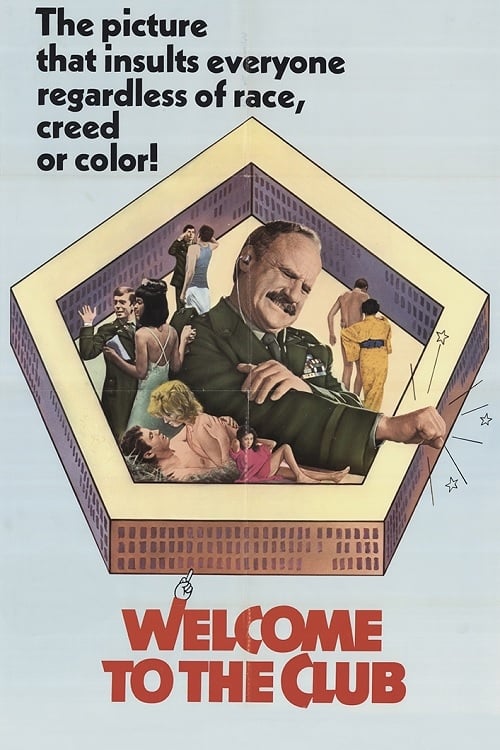
Welcome to the Club is a period comedy set in 1945 Hiroshima that uses a military setting to explore social friction. The central conflict involves an Army morale officer battling racism while trying to integrate singers into an officers' club. While the film addresses racial conflict, it remains unclear if the narrative provides meaningful roles for underrepresented groups. The story appears to follow traditional comedic structures of the early 1970s rather than offering a deeper systemic critique. Ultimately, the film touches on historical social hierarchies but lacks the detailed evidence of multi-layered representation required for a higher score.
Category Breakdown
The film does not include any characters with non-binary gender identities. There are no narratives addressing the assumption that everyone is straight or cisgender.
The inclusion of singers suggests that female characters are present. However, the film lacks detail regarding their roles or challenges to gendered hierarchies.
The plot centers on an Army officer confronting racism in 1945 Hiroshima. It is unclear if the film empowers underrepresented characters or uses racial conflict as a comedic backdrop.
The setting explores the friction between American military presence and post-war Japan. There is no evidence of a sustained critique of Western institutions.
There is no information regarding the depiction of physical or neurodivergent characters in this production.
Present on Screen
Limited or Absent
Official Synopsis
An Army morale officer hits racism when he tries to put singers in an officers club in 1945 Hiroshima.
1957

1979

1957

1959
1960

1953
1958

1988
No reviews yet. Be the first to share your thoughts on this movie!
Use the rating form above to leave a star rating and optional review.