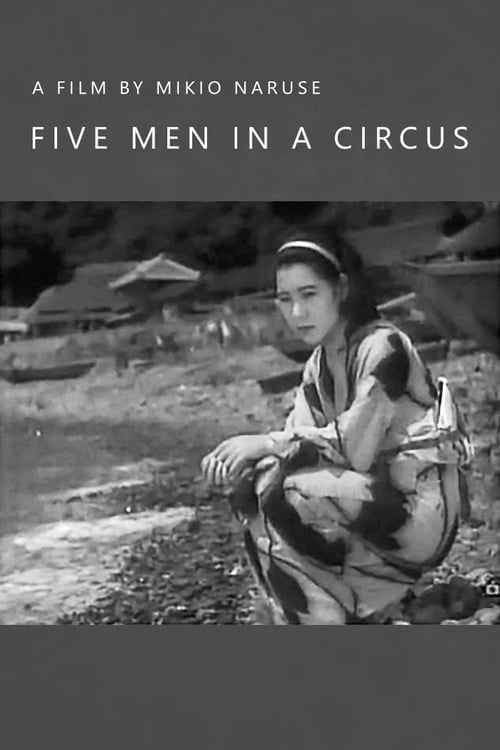
Five Men in a Circus
1935
No user ratings available yet
Representation score: 4.6 out of 10
Representation Score
Fair
1940
Director
Mikio Naruse
Runtime
70 minutes
Average Rating
No ratings yetNew Showbiz Analysis
Mikio Naruse delivers a sophisticated work of social realism that prioritizes psychological depth over broad demographic variety. The film succeeds by going beyond simple archetypes, particularly through its focus on the grit and precariousness of the performers' lives. While the film operates within the strict social constraints of 1940s Japan, it avoids caricature. It uses the traveling Kabuki troupe to explore the friction between artistic integrity and the necessity of commercial survival. Ultimately, the film is a nuanced study of class and gender dynamics. It finds its strength in the quiet resilience of individuals navigating restrictive social and economic structures.
Category Breakdown
The film adheres to the assumption that everyone is straight or cisgender, reflecting pre-war Japan's social expectations. There are no queer narratives or diverse gender identities within the Kabuki troupe's traditional romantic structures.
The narrative focuses on the emotional labor and social vulnerabilities of female performers. It provides nuanced character development that explores their roles within a precarious economic reality.
The cast and setting are ethnically homogeneous, reflecting a localized study of rural Japan. The film prioritizes cultural authenticity over multicultural or globalized storytelling.
The story critiques the economic instability of the itinerant lifestyle. It deconstructs idealized views of traditional professions by highlighting the systemic hardships faced by the working class.
There are no prominent depictions of visible or invisible disabilities. The characters' primary struggles are socioeconomic and emotional rather than physical or cognitive.
Present on Screen
Limited or Absent
Official Synopsis
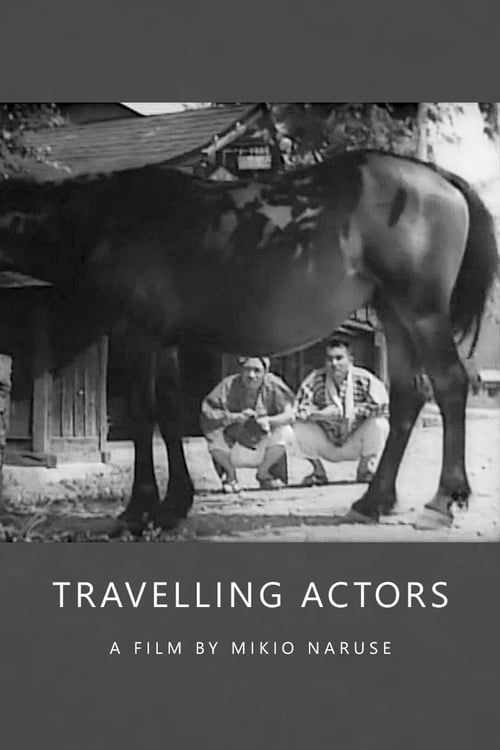
This film depicts a troupe of wandering kabuki players traveling through rural Japan.
1935

1938

1941
1952
1950

1941
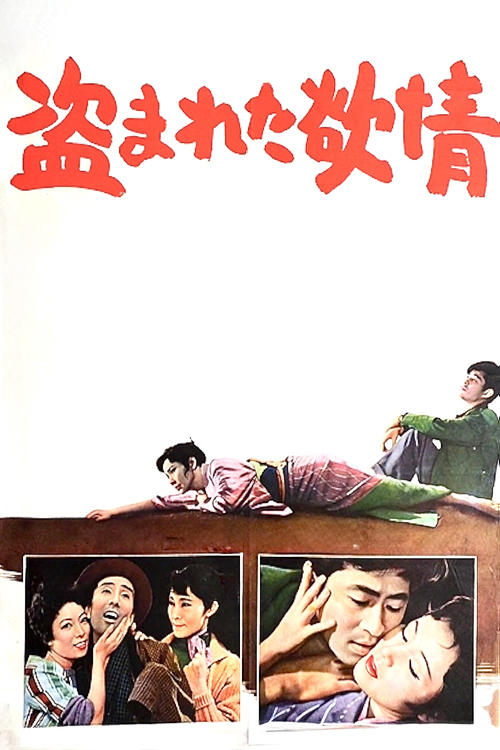
1958
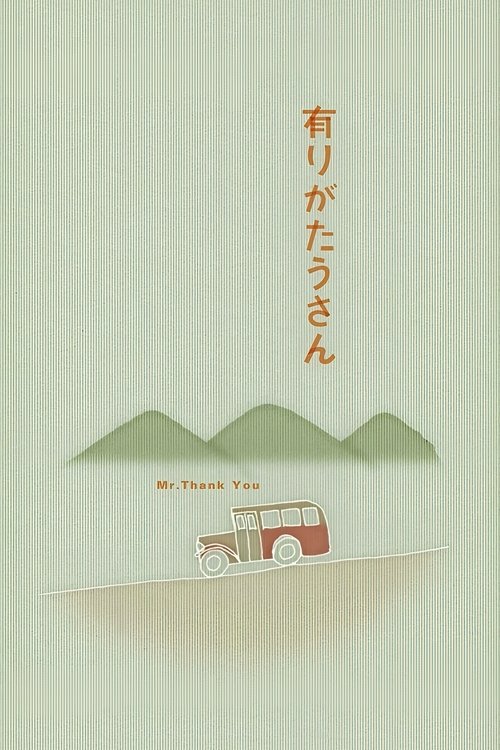
1936
No reviews yet. Be the first to share your thoughts on this movie!
Use the rating form above to leave a star rating and optional review.