The Blitz Kiss
1941
No user ratings available yet
Representation score: 1.1 out of 10
Representation Score
Limited
1932
Director
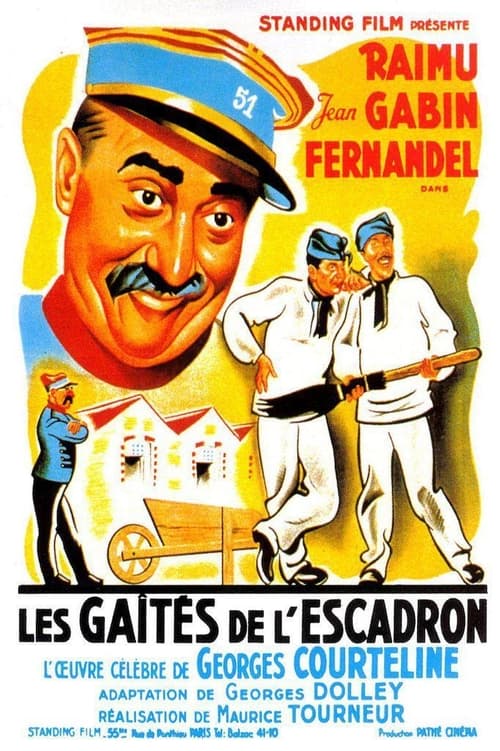
Maurice Tourneur
Runtime
85 minutes
Average Rating
No ratings yetNew Showbiz Analysis
Fun in the Barracks is a comedy-drama set in the early 1930s that centers on the chaotic behavior of soldiers. The film highlights the disorderly conduct of soldiers and the daily routines of military life. It does not serve as a vehicle for social commentary. The narrative lacks complexity in reflecting multiple aspects of identity, focusing instead on the disorderly conduct of soldiers. It upholds the traditional social structures and demographic homogeneity common to early 1930s French cinema. Ultimately, the film operates as a conventional genre piece. It does not aim to challenge power structures or provide representation for underrepresented groups.
Category Breakdown
The film follows the strict social norms of the early 1930s. There are no explicit LGBTQ+ characters or stories that question the assumption that everyone is straight or cisgender.
The setting emphasizes a male-dominated military environment. Female characters seem to have limited roles, confined mostly to domestic duties rather than participating in the main storyline.
The production reflects the homogeneous demographics typical of 1932 France. There is no indication of diverse racial or ethnic casting within the military unit.
The story focuses on the camaraderie and daily routines of soldiers through a comedic lens. It does not critically examine Western institutions or organized religion.
There is no information available regarding the inclusion of characters with visible or invisible disabilities.
Present on Screen
Limited or Absent
Official Synopsis
Based on the popular stage play by Georges Courteline. The film is set in 1885. It focuses on a group of troops, a mix of regulars and reservists, and their different responses to the daily military routines. A crisis emerges when a General pays a visit while two deserters are still absent.
1941
1932
1952

1999
1928
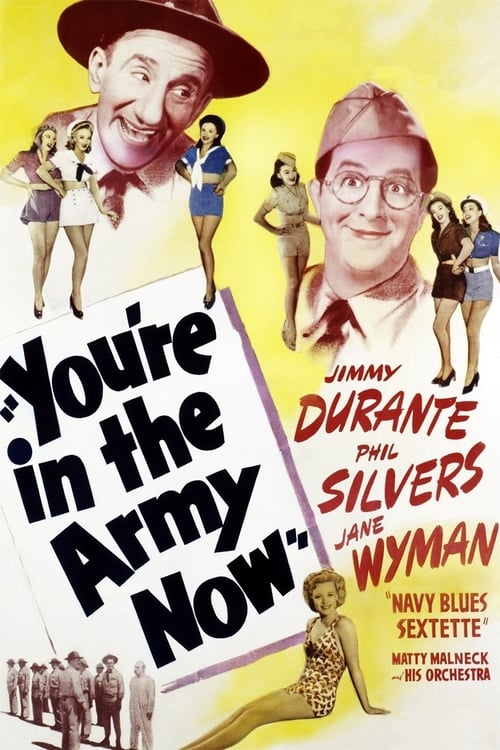
1941
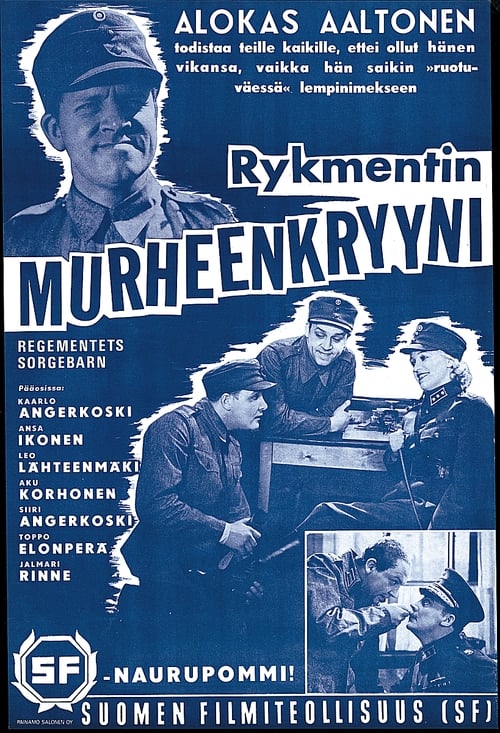
1938
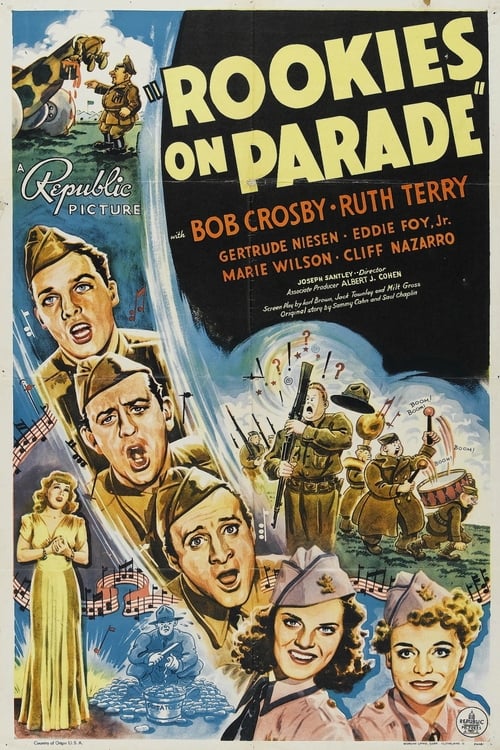
1941
No reviews yet. Be the first to share your thoughts on this movie!
Use the rating form above to leave a star rating and optional review.