
Steven Avery: Innocent or Guilty?
2016
No user ratings available yet
Representation score: 2.1 out of 10
Representation Score
Fair
2013
Not RatedDirector
Al Reinert
Runtime
92 minutes
Average Rating
No ratings yetNew Showbiz Analysis
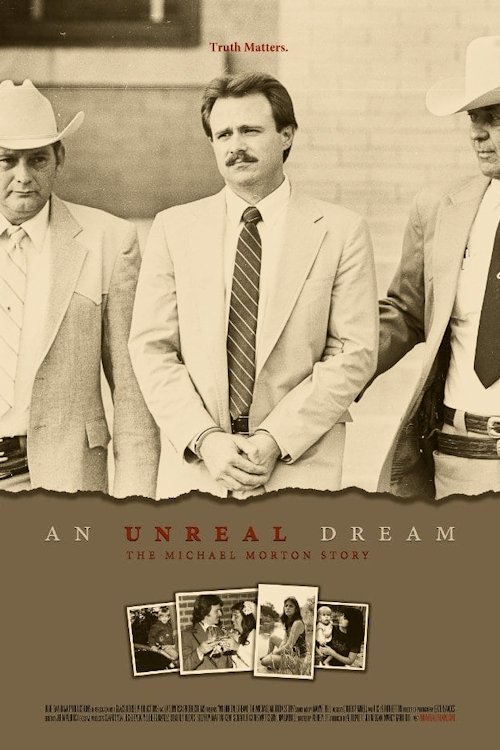
An Unreal Dream: The Michael Morton Story is a detailed investigation of a wrongful conviction that primarily critiques systemic issues rather than demographic diversity. The film effectively challenges the idea that legal systems are always just, highlighting how they can fail individuals. However, the documentary lacks representation of different backgrounds and identities. The narrative focuses on a white, straight family, without including LGBTQ+ or racially diverse perspectives. Ultimately, the film's strength lies in its critique of institutional flaws, but it falls short in providing a broad range of identity-driven storytelling.
Category Breakdown
The documentary focuses on a family that assumes everyone is straight. There are no LGBTQ+ characters or stories about queer experiences.
The film highlights violence against women through the murder of Christine Morton. It touches on women's vulnerability but does not deeply explore gender power structures.
The story centers on a white family within the Texas legal system. There is no racial or ethnic diversity among the main characters.
The film strongly criticizes Western institutions. It portrays the American legal system as fundamentally flawed and capable of causing great harm.
The film does not focus on physical or neurological differences. However, it indirectly addresses the mental and social impacts of long-term imprisonment.
Present on Screen
Limited or Absent
Official Synopsis
In 1986 Michael Morton’s wife Christine is brutally murdered in front of their only child, and Michael is convicted of the crime. Locked away in Texas prisons for a quarter century, he has years to ponder questions of justice and innocence, truth and fate. Though he is virtually invisible to society, a team of dedicated attorneys spends years fighting for the right to test DNA evidence found at the murder scene. Their discoveries ultimately reveal that the price of a wrongful conviction goes well beyond one man’s loss of freedom.
2016
2012
2008
2012

2016

2020
2015
2015
No reviews yet. Be the first to share your thoughts on this movie!
Use the rating form above to leave a star rating and optional review.