Blood Done Sign My Name
2010
No user ratings available yet
Representation score: 5.8 out of 10
Representation Score
Fair
2017
TV-MADirector
Spike Lee
Runtime
52 minutes
Average Rating
No ratings yetNew Showbiz Analysis
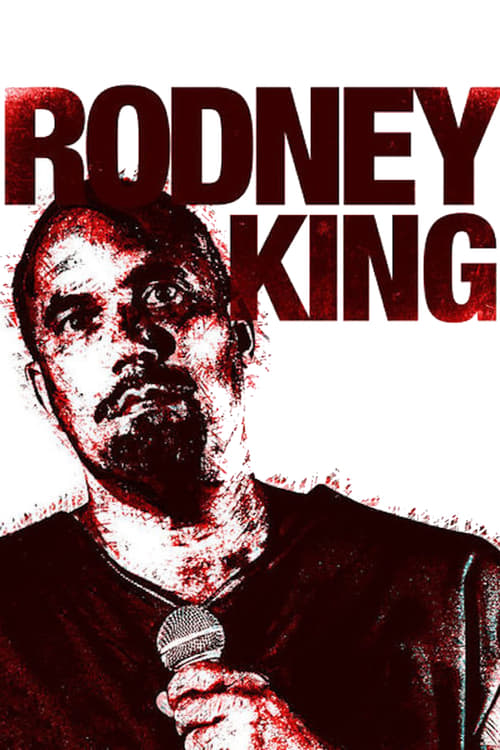
Spike Lee’s production provides a profound engagement with racial and systemic critique. By utilizing Roger Guenver Smith’s performance and archival footage, the film deconstructs the official historical narrative surrounding the Rodney King verdict. The work succeeds in its commitment to prioritizing the perspectives of the historically underrepresented. It moves beyond simple biography to offer a symbolic exploration of how institutional power dynamics shape individual tragedies. While the film is a masterclass in racial and cultural analysis, it remains narrow in scope. It does not address LGBTQ+ identities or gendered ability to act, focusing instead on the intersection of law and ethnicity.
Category Breakdown
The documentary focuses on the racial and judicial dimensions of the 1992 Los Angeles unrest. There are no prominent LGBTQ+ characters or narratives within the primary subject matter.
The film prioritizes the deconstruction of racial hierarchies over gendered ones. It does not actively seek to subvert or reinforce traditional gender roles within its historical focus.
The film excels by centering Black American identity and ability to act. It frames the 1992 riots as a systemic response to institutional injustice rather than mere civil disorder.
The narrative critiques Western institutions, specifically the American judicial system and the LAPD. It challenges traditional emphasis on state-sanctioned order by highlighting systemic failure.
There is no significant focus on visible or invisible disabilities as a central narrative driver in this documentary.
Present on Screen
Limited or Absent
Official Synopsis
Roger Guenveur Smith gives voice to the man at the center of the brutal police beating that helped fuel the 1992 LA uprising.
2010
2012
1999

2017

2018

2019
2017
2016
No reviews yet. Be the first to share your thoughts on this movie!
Use the rating form above to leave a star rating and optional review.