Find another title
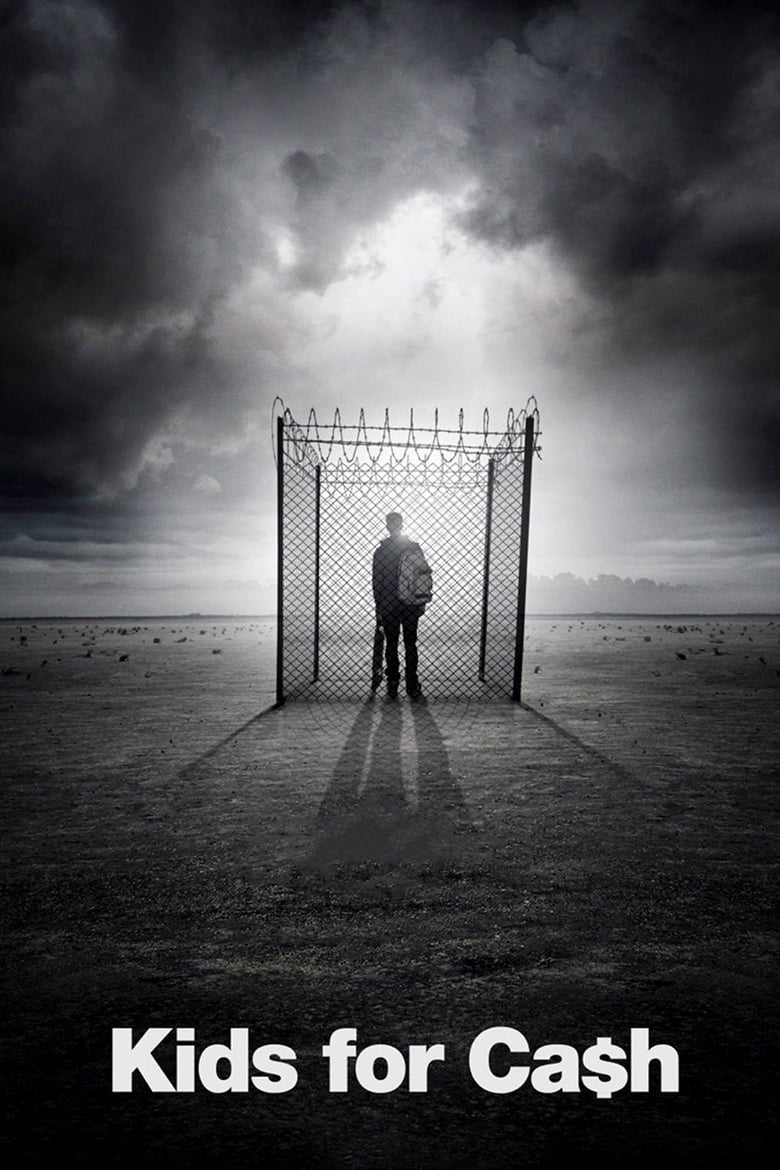
Kids for Cash
2014
PG-13Director
Robert May
Runtime
102 minutes
Average Rating
No ratings yetSynopsis
A look into the judicial scandal that rocked the nation.
Where to Watch
Diversity & Representation
Overall Score
Fair
Category Breakdown
LGBTQ+ Representation
The film lacks explicit representation of LGBTQ+ characters or narratives. The focus remains on judicial corruption and juvenile justice rather than non-heteronormative identities.
Gender Representation
The narrative centers on a male judge and the legal system. There is no clear evidence regarding the gender dynamics of the victims or legal professionals involved.
Racial & Ethnic Diversity
Specific racial data for offenders or staff is not provided. However, the subject of juvenile justice often intersects with systemic racial disparities in sentencing.
Religious & Cultural Diversity
The film excels in institutional critique. It challenges the integrity of Western legal institutions by framing the judiciary as a corrupt and predatory force.
Disability Representation
There is no evidence that neurodivergence, physical disabilities, or mental health conditions are central to the narrative or portrayed with agency.
Strengths
- Provides a powerful critique of institutional authority and systemic power dynamics.
- Challenges traditional trust in judicial hierarchies by exposing corruption.
Areas for Improvement
- Lacks explicit representation of LGBTQ+ identities or narratives.
- Provides no visible engagement with disability or neurodivergent perspectives.
- Fails to detail the gender or racial demographics of the victims and professionals.
AI Analysis
The documentary prioritizes a critique of systemic corruption over identity-based storytelling. Its strength lies in deconstructing institutional authority and exposing the exploitation of minors within the legal system. However, the film lacks specific data regarding LGBTQ+, gender, or disability representation. This absence of identity-specific exploration results in a lower overall diversity score despite its strong cultural critique. Ultimately, the work functions as a sociological study of power dynamics rather than a diverse character study.
Rate this Movie
Reviews
No reviews yet. Be the first to share your thoughts on this movie!
Use the rating form above to leave a star rating and optional review.