Banksy and the Rise of Outlaw Art
2020
No user ratings available yet
Diversity score: 5.7 out of 10
2002
Director
Dietmar Post
Runtime
60 minutes
Average Rating
No ratings yetSynopsis
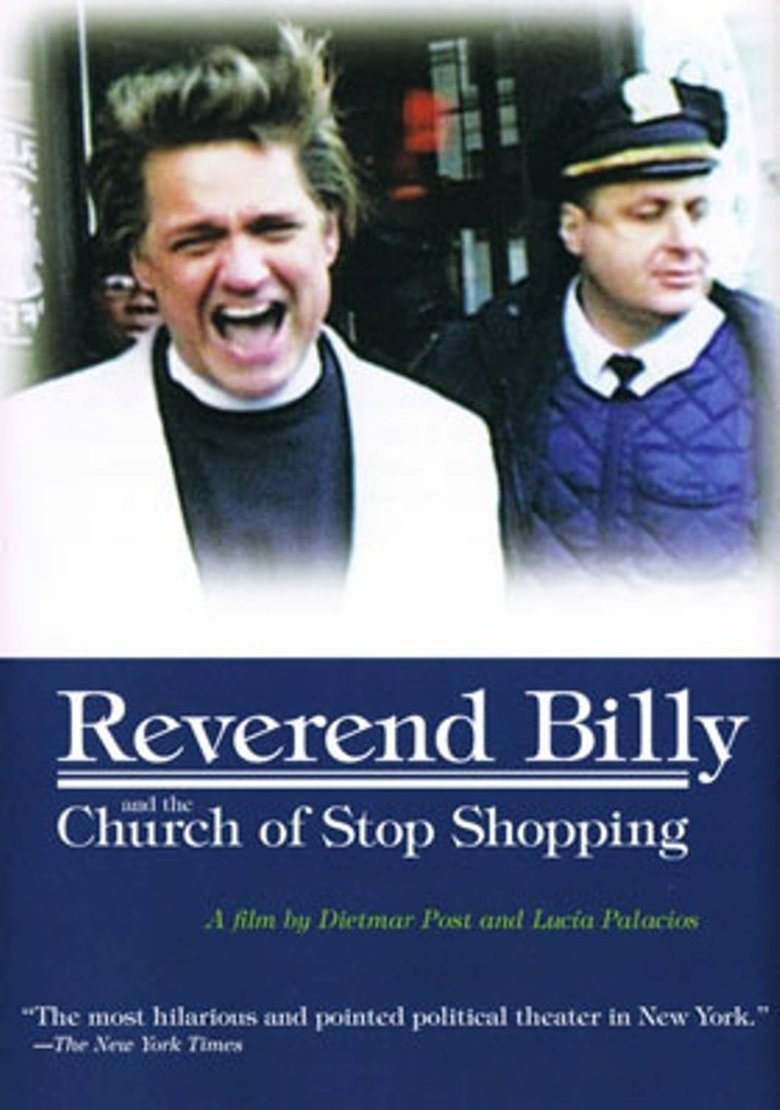
Reverend Billy, a.k.a. Bill Talen, is an actor/performance artist and a leading figure within the anti-globalization movement. His work combines the ideas of social and political change with the means of theater arts to counteract our media-laden culture. The film follows the Reverend's "shopping interventions/actions" into cultural dead zones such as Starbucks, Disney and the New York University construction site at Poe House.
Overall Score
Fair
Category Breakdown
LGBTQ+ Representation
The film operates within a New York performance art milieu that utilizes camp and theatricality. While it suggests a narrative outside heteronormative expectations, it lacks explicit LGBTQ+ characters driving the plot.
Gender Representation
The documentary centers on a male protagonist but disrupts traditional masculine leadership through non-violent, performative activism. Data regarding the gendered agency of the supporting cast remains limited.
Racial & Ethnic Diversity
The film engages with New York City's diverse socioeconomic landscapes during its interventions. However, racial and ethnic identity remains secondary to the primary critique of globalized corporate structures.
Religious & Cultural Diversity
The narrative excels by critiquing Western capitalist institutions and prioritizing performance-based spirituality. It uses the 'Reverend' persona to deconstruct established economic orders and religious dogma.
Disability Representation
The film focuses on the psychological disruption of consumerist mindsets. There is no significant evidence that physical or mental health conditions serve as central narrative drivers.
Strengths
Areas for Improvement
AI Analysis
Reverend Billy and the Church of Stop Shopping is a documentary that prioritizes systemic critique over identity-based representation. Its strength lies in its radical cultural perspective, using performance art to challenge the dominance of Western capitalist institutions like Disney and Starbucks. While the film's narrative architecture is fundamentally progressive, it lacks high-density representation of specific marginalized groups. The focus remains on the socio-political disruption of corporate spaces rather than the lived experiences of diverse racial or disabled communities. Ultimately, the work functions as a tool for social deconstruction. It succeeds in reimagining social roles and spiritual frameworks, even if it does not provide deep visibility for specific demographic identities.
2020
2004
2007

1974
1997
2007
2019
2000
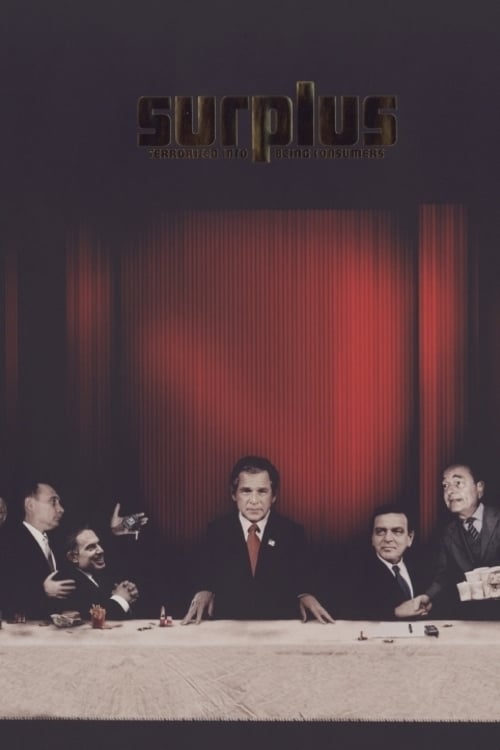
2003
2007
2014

2009
No reviews yet. Be the first to share your thoughts on this movie!
Use the rating form above to leave a star rating and optional review.