
Michael Moore in TrumpLand
2016
No user ratings available yet
Diversity score: 5.3 out of 10

2007
Not RatedDirector
Michael Moore
Runtime
97 minutes
Average Rating
No ratings yetSynopsis
Michael Moore visits colleges in swing states during the 2004 election with a goal to encourage 18–29 year olds to vote.
Overall Score
Fair
Category Breakdown
LGBTQ+ Representation
The film focuses on socioeconomic mobilization rather than queer narratives. It lacks explicit LGBTQ+ character arcs or depictions of non-cisnormative identities.
Gender Representation
The narrative disrupts patriarchal leadership by centering student voices. It challenges traditional masculine archetypes of the industrious provider through its critique of work-ethic hierarchies.
Racial & Ethnic Diversity
The documentary captures a variety of ethnic backgrounds within the student body. It decentralizes Anglo-centric political narratives by emphasizing the collective agency of a multi-ethnic youth demographic.
Religious & Cultural Diversity
The film offers a profound critique of late-stage capitalism and Western economic institutions. It frames the refusal of hustle culture as a sophisticated response to corporate exploitation.
Disability Representation
There is no significant evidence of neurodivergent or physically disabled characters serving as central agents. The focus remains on socioeconomic status rather than disability-centric arcs.
Strengths
Areas for Improvement
AI Analysis
Slacker Uprising functions primarily as a systemic critique of American capitalism and institutional power. While it lacks deep dives into specific identity politics, its strength lies in its ideological framework. The film succeeds in challenging traditional Western work ethics and patriarchal structures of authority. It uses the diverse setting of college campuses to present a multi-ethnic view of political engagement. However, the documentary lacks specific representation for LGBTQ+ and disabled communities. These identities are not central to the narrative, leaving those specific demographic perspectives largely unaddressed.
2016

1992

1997
2012
2002
2014
2009
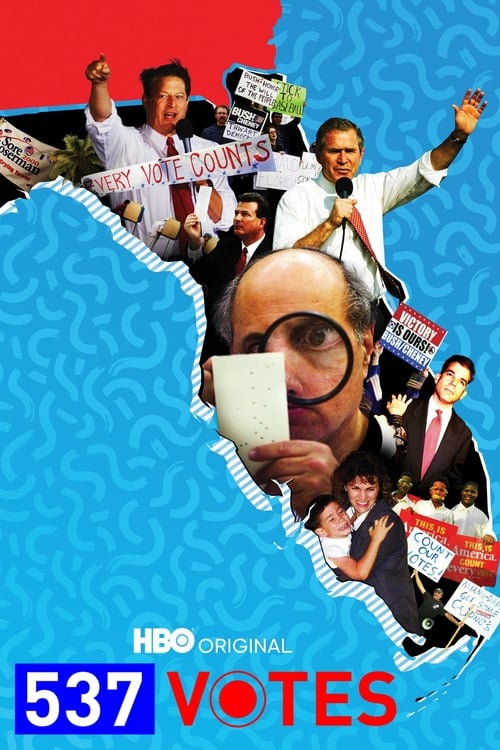
2020

2009

2016

2022
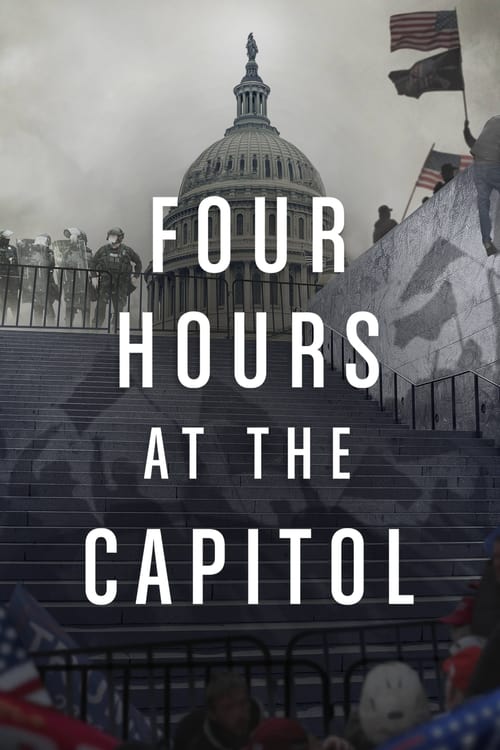
2021
No reviews yet. Be the first to share your thoughts on this movie!
Use the rating form above to leave a star rating and optional review.