
The Swedish Theory of Love
2015
No user ratings available yet
Diversity score: 5.6 out of 10
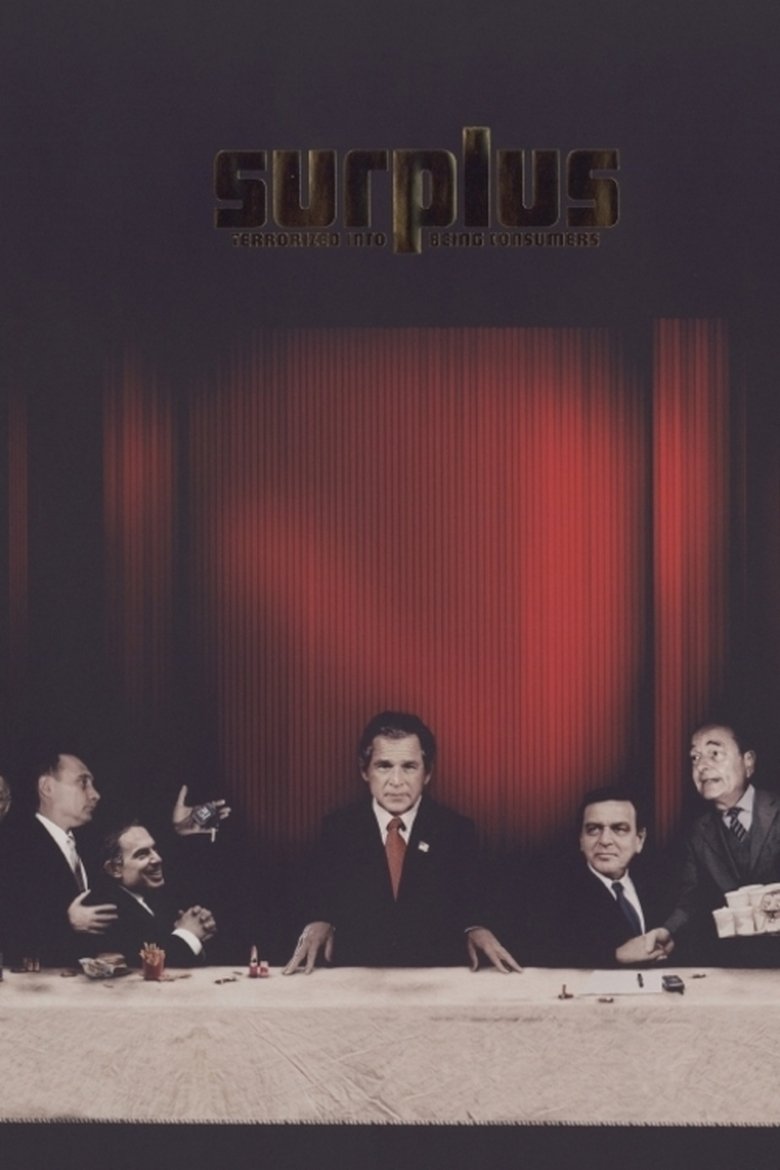
2003
Director
Erik Gandini
Runtime
54 minutes
Average Rating
No ratings yetSynopsis
Swedish documentary film on consumerism and globalization, created by director Erik Gandini and editor Johan Söderberg. It looks at the arguments for capitalism and technology, such as greater efficiency, more time and less work, and argues that these are not being fulfilled, and they never will be. The film leans towards anarcho-primitivist ideology and argues for "a simple and fulfilling life".
Overall Score
Good
Category Breakdown
LGBTQ+ Representation
The film focuses on macro-economic structures rather than individual identity-based narratives. It offers a peripheral disruption of heteronormative consumerist cycles by critiquing the traditional family units that drive market demand.
Gender Representation
The narrative architecture challenges traditional gender hierarchies by deconstructing the capitalist 'provider' role. It implicitly critiques the masculine drive for conquest and accumulation through its focus on a simpler life.
Racial & Ethnic Diversity
As a study of globalization, the film engages with the disparate impacts of capitalism across various geographic landscapes. It likely highlights the intersection of economic status and ethnic identity within global supply chains.
Religious & Cultural Diversity
The film demonstrates high alignment with progressive frameworks by actively critiquing Western institutions. It rejects the myth of technological progress in favor of anarcho-primitivist values and subjective well-being.
Disability Representation
Specific depictions of disability are not detailed in the narrative. However, the critique of technological efficiency provides a theoretical lens for how a high-speed consumer society might marginalize disabled individuals.
Strengths
Areas for Improvement
AI Analysis
Surplus: Terrorized Into Being Consumers is a systemic critique that prioritizes philosophical inquiry over character-driven drama. Its diversity is found in its subversion of Western industrial values and the dismantling of capitalist expansion myths. The film excels at cultural subversion, challenging the foundational structures of modern life. By questioning the necessity of technological progress, it offers a progressive framework that departs from traditional Western economic patriotism. However, the documentary lacks specific, individual-focused representation for many identity groups. Because it focuses on macro-economic forces, it misses opportunities to ground its systemic critique in the lived experiences of specific marginalized people.
2015

2024

2007

2011
2012
2018

2012

2015

2015

2018

2012
2011
No reviews yet. Be the first to share your thoughts on this movie!
Use the rating form above to leave a star rating and optional review.