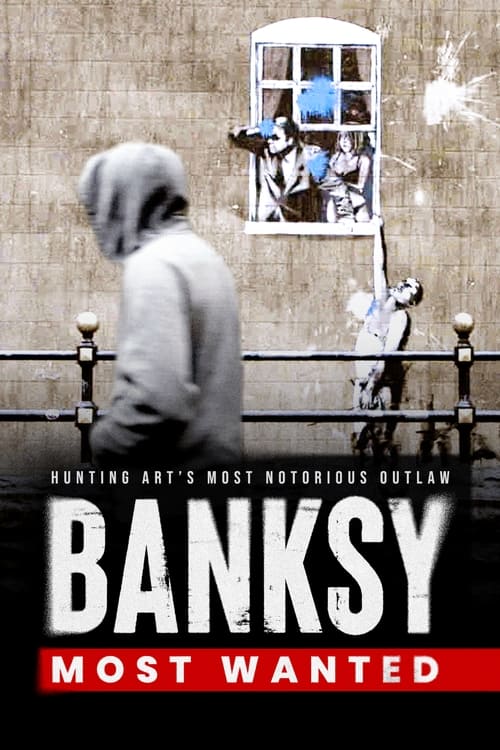
Banksy Most Wanted
2020
No user ratings available yet
Representation score: 5.8 out of 10
Representation Score
Good
2020
Director
Elio Espana
Runtime
108 minutes
Average Rating
No ratings yetNew Showbiz Analysis
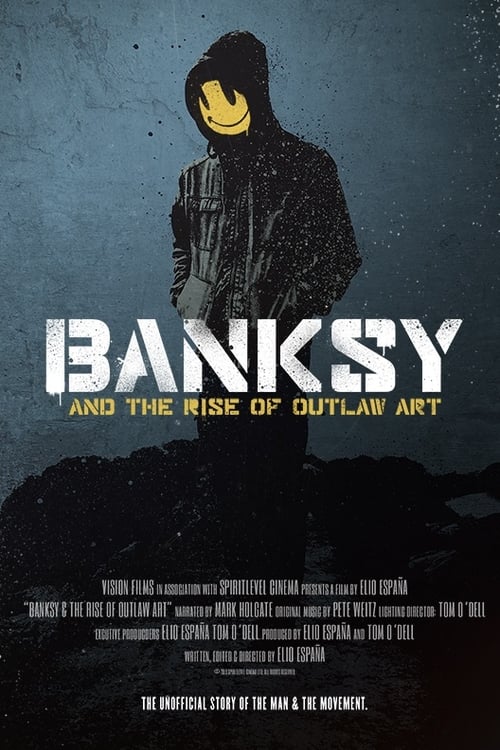
Banksy and the Rise of Outlaw Art primarily serves as an examination of systemic disruption rather than a showcase of demographic diversity. Its strength lies in its intellectual engagement with anti-establishment perspectives and the deconstruction of traditional authority. The film challenges the legitimacy of Western cultural institutions by focusing on an anonymous figure operating outside sanctioned frameworks. This provides a nuanced look at how subcultures navigate and disrupt established hierarchies. However, the documentary lacks high-density representation of specific identities. It does not feature significant LGBTQ+, racial, or disability-focused narratives, remaining focused on the political and economic movement of street art.
Category Breakdown
The documentary does not include specific LGBTQ+ character arcs or identity-driven stories. It maintains a neutral stance on these themes, which are not the main focus of the film.
The film examines how the actions of outlaws challenge traditional art world hierarchies. Although gender dynamics are not central, it questions the dominance of patriarchal institutions in the art world.
The film highlights urban street art movements and their global impact. However, it does not specifically emphasize multi-layered casting or representation of non-Anglo-Saxon backgrounds.
The narrative centers on a critique of traditional Western institutions. It explores the tension between anti-capitalist expressions and the integration of subcultures into high-value markets.
There is no documented evidence of the representation of neurodivergence or physical disabilities within the subject matter of this documentary.
Present on Screen
Limited or Absent
Official Synopsis
Banksy is the world's most infamous street artist, whose political art, criminal stunts and daring invasions have outraged the establishment for over two decades. Featuring rare interviews with Banksy, this is the story of how an outlaw artist led a revolutionary new movement and built a multi-million dollar empire, while his identity remained shrouded in mystery.
2020
2021
2014
2020
2016
2022
2018
2011
No reviews yet. Be the first to share your thoughts on this movie!
Use the rating form above to leave a star rating and optional review.