
!W.A.R.: !Women Art Revolution
2010
No user ratings available yet
Diversity score: 8.2 out of 10
2007
Director
Lynn Hershman-Leeson
Runtime
75 minutes
Average Rating
No ratings yetSynopsis
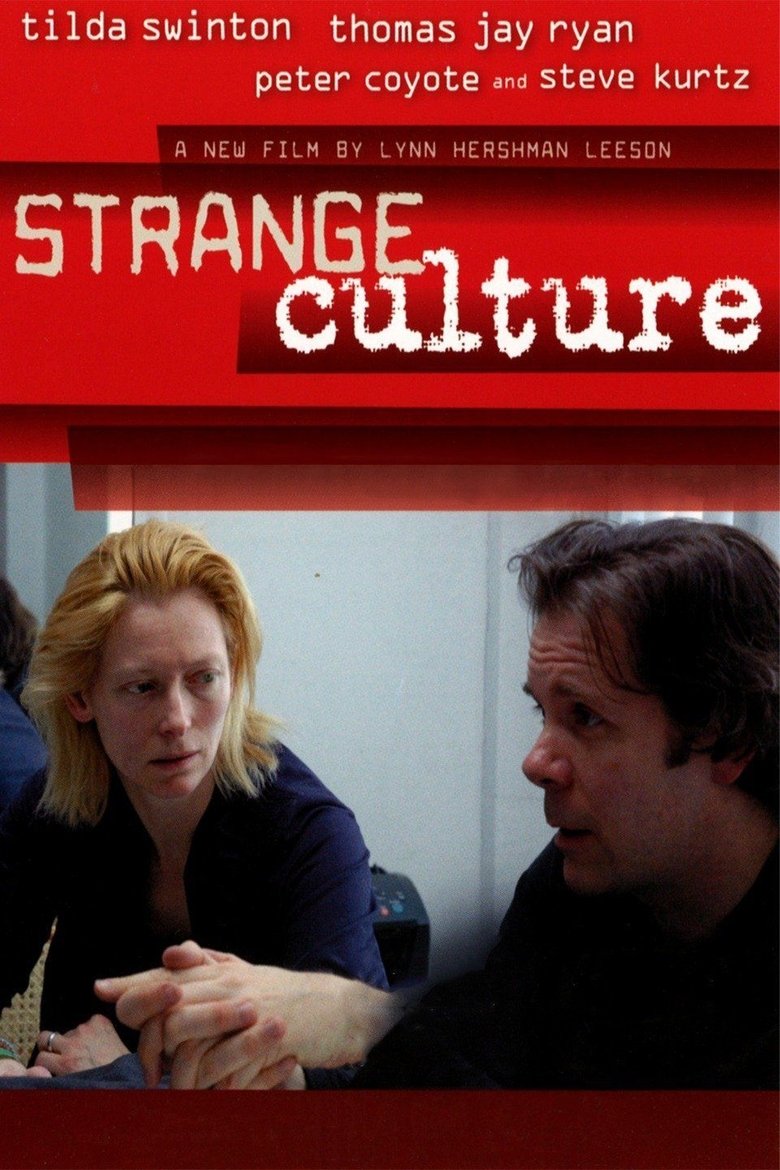
The film examines the case of artist and professor Steve Kurtz, a member of the Critical Art Ensemble (CAE). The work of Kurtz and other CAE members dealt with genetically modified food and other issues of science and public policy. After his wife, Hope, died of heart failure, paramedics arrived and became suspicious when they noticed petri dishes and other scientific equipment related to Kurtz's art in his home. They summoned the FBI, who detained Kurtz within hours on suspicion of bioterrorism.
Overall Score
Fair
Category Breakdown
LGBTQ+ Representation
The film centers on the intersection of science, art, and law enforcement. It does not explicitly feature LGBTQ+ identities or non-cisnormative expressions as primary drivers of the narrative.
Gender Representation
The story offers a nuanced look at the domestic sphere through the death of Hope Kurtz. However, primary agency in the scientific debate remains centered on male subjects.
Racial & Ethnic Diversity
The narrative focuses on a specific socio-political and scientific milieu. There is no evidence of a diverse, non-Anglo-Saxon majority cast within the intellectual community depicted.
Religious & Cultural Diversity
The film excels in its critique of Western institutional power. It frames state authority and capitalism as invasive forces that encroach upon artistic expression and scientific freedom.
Disability Representation
The film touches on human physical vulnerability through the passing of Hope Kurtz. It does not center on neurodivergence or visible disabilities as a lens of agency.
Strengths
Areas for Improvement
AI Analysis
Strange Culture is a sophisticated documentary that prioritizes the deconstruction of institutional authority over traditional demographic representation. It functions as a critique of state surveillance and the criminalization of scientific inquiry. The film's strength lies in its intellectual subversion, framing the FBI as a disruptive force against artistic autonomy. It avoids conventional true-crime tropes to focus on systemic power structures. While the work lacks high scores in identity-based metrics like race or gender, it provides a profound critique of how state institutions regulate knowledge and individual freedom.
2010
2002

2006
1995
1996
2020
2006

2009
2006
2008
2009

2016
No reviews yet. Be the first to share your thoughts on this movie!
Use the rating form above to leave a star rating and optional review.