
Puerta cerrada
1939
No user ratings available yet
Representation score: 4.8 out of 10
Representation Score
Fair
1958
Director
Juan Antonio Bardem
Runtime
104 minutes
Average Rating
No ratings yetNew Showbiz Analysis
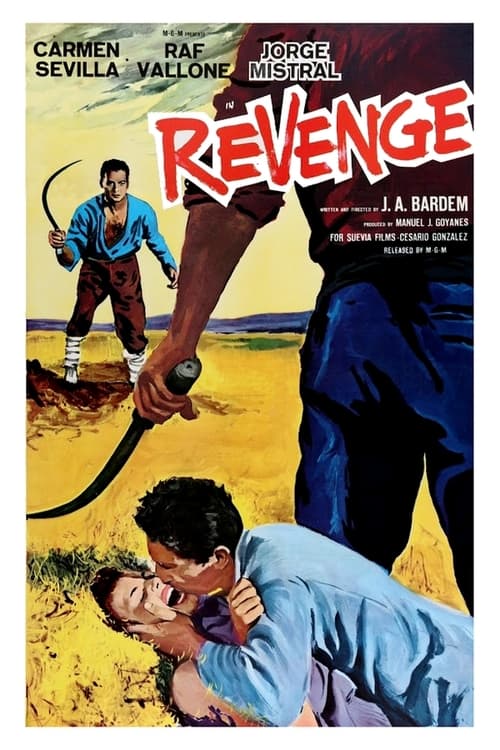
Revenge is a sophisticated psychological drama that uses its historical setting to critique the oppressive social structures of 1950s Spain. While it lacks modern breadth in terms of racial and LGBTQ+ visibility, it excels in thematic subversion. The film's strength lies in its intellectual engagement with progressive themes, specifically through its deconstruction of traditional institutions and gender hierarchies. It replaces surface-level diversity with a deep, systemic critique of the era's moral frameworks. Ultimately, the film is a study of internal decay and social repression rather than a showcase of diverse identities, making it a culturally significant but demographically narrow work.
Category Breakdown
The film does not include any explicit LGBTQ+ characters or non-cisgender identities. It explores repressed desires but does not feature any queer narratives or direct challenges to the assumption that everyone is straight.
The narrative challenges mid-century domestic expectations by highlighting the psychological impact of patriarchal structures. The female protagonist critiques the stifling nature of traditional gender roles.
Set in post-Civil War Spain, the casting reflects the era's demographic homogeneity. The film focuses on the specific socioeconomic landscape of the Spanish bourgeoisie without including diverse ethnic groups.
Bardem uses the story to deconstruct the hypocrisy of the Spanish bourgeoisie and rigid moral frameworks. The film critiques established authority and social conformity through its characters.
There is no discernible representation of physical or neurodivergent disabilities within the main character arcs.
Present on Screen
Limited or Absent
Official Synopsis
After spending ten years in prison for a crime he did not commit, Juan is released.
1939

2019
1949
1972
1958
1958
1934
1967
No reviews yet. Be the first to share your thoughts on this movie!
Use the rating form above to leave a star rating and optional review.