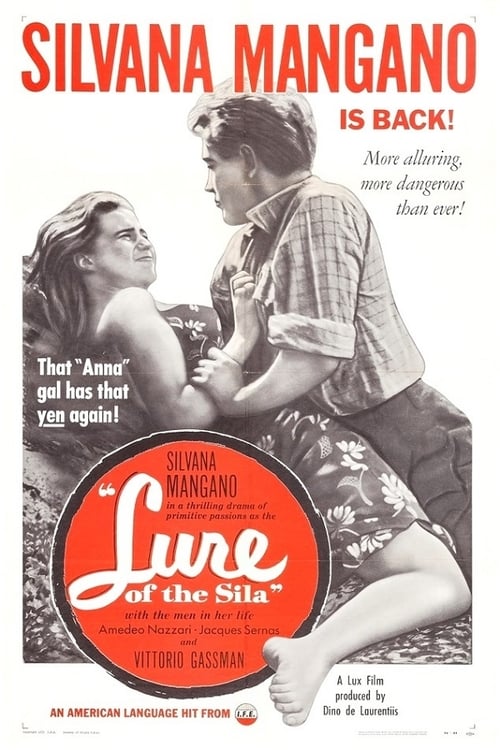
Lure of the Sila
1949
No user ratings available yet
Representation score: 2.5 out of 10
Representation Score
Minimal
1950
Director
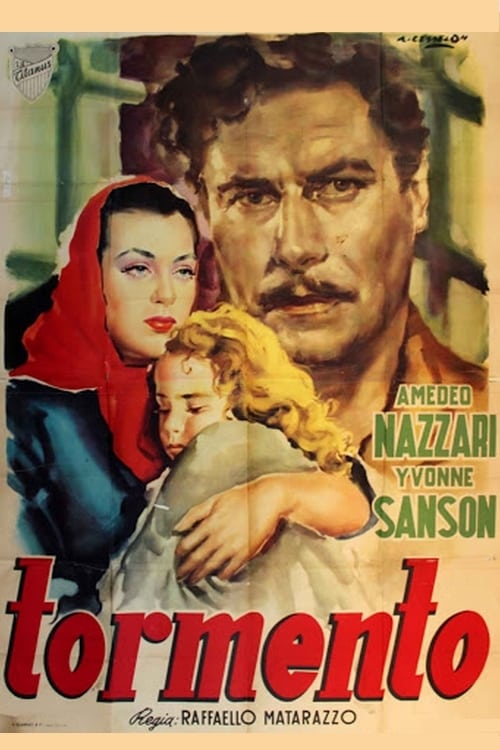
Raffaello Matarazzo
Runtime
93 minutes
Average Rating
No ratings yetNew Showbiz Analysis
Tormento is a quintessential mid-century melodrama that prioritizes reinforcing social hierarchies over subverting them. While the protagonist shows individual strength in escaping her domestic situation, the narrative ultimately uses her struggle to illustrate the consequences of deviating from social respectability. The film lacks diverse representation, offering an ethnically homogeneous cast and a strictly heterosexual worldview. It functions as a cautionary tale regarding the transgression of established norms, focusing on reputation and the sanctity of the family unit. Ultimately, the work serves as a localized study of Italian social strata, adhering to the traditionalist frameworks of its era without challenging the status quo.
Category Breakdown
The film focuses exclusively on heterosexual relationships and does not include any LGBTQ+ characters or non-cisgender identities.
Anna demonstrates ability to act by fleeing a toxic home, but her journey is defined by the 'fallen woman' stereotype. The narrative emphasizes traditional gender roles centered around domestic struggles and social ruin.
The cast is ethnically homogeneous, reflecting the historical context of 1950s Italy. The film focuses on the social strata of Italian society without including any racial diversity.
The story operates within a traditional moral and religious framework. It portrays the breakdown of social respectability as a tragedy, avoiding any critique of Western institutions.
There are no visible or invisible disabilities portrayed. Characters are defined by their social and moral standing rather than any physical or neurodivergent traits.
Present on Screen
Limited or Absent
Official Synopsis
Anna flees her home, where she has been victimized for years by her spineless father’s mean-spirited second wife, to be with her lover, an honest businessman yet to make his fortune. When he is accused of a murder he didn’t commit, the couple’s domestic tranquillity is upended, and a desperate Anna must rely on her cruel stepmother to help support their child.
1949

1957
1942
1964
1949
1970
1956

1951
No reviews yet. Be the first to share your thoughts on this movie!
Use the rating form above to leave a star rating and optional review.