
The Invisible Woman
2013
No user ratings available yet
Representation score: 4.1 out of 10
Representation Score
Fair
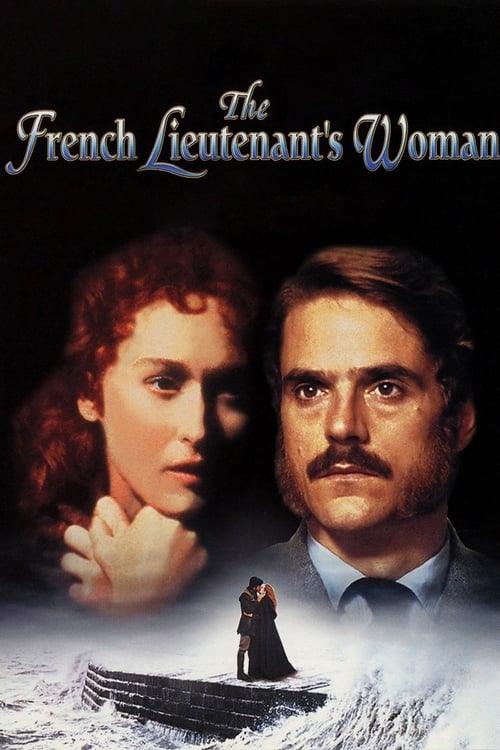
1981
RDirector
Karel Reisz
Runtime
124 minutes
Average Rating
No ratings yetNew Showbiz Analysis
The film uses a postmodern structure to deconstruct historical truths and social hierarchies. By juxtaposing a Victorian period piece with the modern lives of its actors, it challenges the rigidity of traditional Western institutions. While the period setting results in low racial and LGBTQ+ diversity, the film excels in its intellectual disruption of gender norms. It celebrates female autonomy and critiques the oppressive nature of historical moral policing. Ultimately, the work functions as a meta-commentary on how social structures demand the sacrifice of individual autonomy to maintain perceived stability.
Category Breakdown
The film does not center on queer identities or non-straight relationships. Instead, it explores social transgressions through the lens of improper romantic behavior in a straight-centered context.
Sarah serves as a powerful disruption to Victorian femininity, exercising autonomous control over her actions. The narrative prioritizes the female experience of social exclusion from restrictive, male-dominated structures.
The cast reflects the demographic homogeneity of the Victorian and 1980s settings. The film focuses its critical lens on class distinctions rather than racial ones.
The story offers a profound critique of Victorian religious and social institutions. It portrays moral policing as a corruptive force that enforces hypocrisy through social exclusion.
The film does not provide significant or central depictions of physical or neurodivergent disabilities.
Present on Screen
Limited or Absent
Official Synopsis
In this story-within-a-story, Anna is an actress starring opposite Mike in a period piece about the forbidden love between their respective characters, Sarah and Charles. Both actors are involved in serious relationships, but the passionate nature of the script leads to an off-camera love affair as well. While attempting to maintain their composure and professionalism, Anna and Mike struggle to come to terms with their infidelity.
2013
1997

1997

1996

1988

1970

1989
1995
No reviews yet. Be the first to share your thoughts on this movie!
Use the rating form above to leave a star rating and optional review.