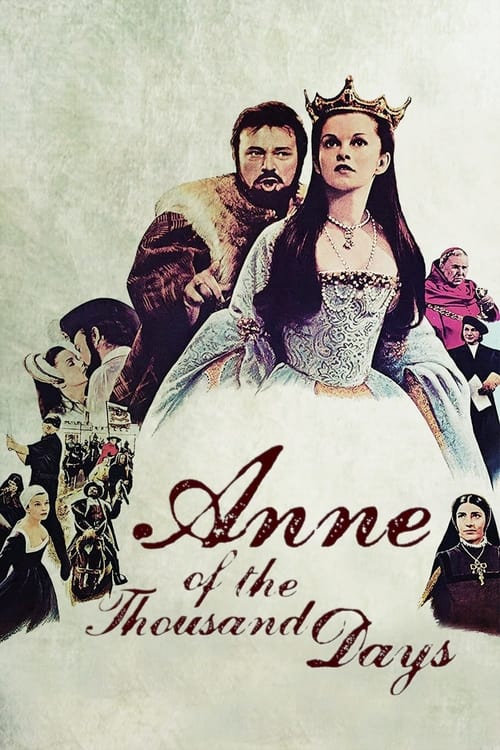
Anne of the Thousand Days
1969
No user ratings available yet
Representation score: 2.8 out of 10

Representation Score
Limited
2008
PG-13Director
Justin Chadwick
Runtime
116 minutes
Average Rating
No ratings yetNew Showbiz Analysis
The film serves as a study of ability to act within highly restrictive historical systems. While it lacks modern demographic variety and LGBTQ+ visibility, it succeeds by challenging gendered expectations. The story elevates women from passive figures to the primary architects of political change. However, the production remains tethered to the era's limitations, resulting in an ethnically homogeneous cast and a strictly heterosexual plot. The focus on the English Reformation provides a nuanced critique of traditional religious and monarchical authority. Ultimately, the film's strength lies in its psychological depth and its portrayal of women navigating high-stakes political environments through strategic intelligence.
Category Breakdown
The film operates within a strictly heterosexual and cisgender framework. It adheres to traditional romantic structures and lacks any depiction of same-sex relationships or non-cisgender identities.
The narrative centers on the intellectual and political maneuvering of women. Set in a patriarchal society, the female protagonists drive the plot through strategic decision-making rather than passive roles.
The cast is ethnically homogeneous, reflecting the historical reality of the 16th-century English court. There is no use of actors from diverse backgrounds or non-white protagonists.
The film portrays the Church and monarchy as sites of corruption and instability. It frames character betrayals as survival mechanisms within a systemic environment of oppression.
There are no prominent depictions of visible or invisible disabilities that drive the narrative or provide character's ability to drive the story.
Present on Screen
Limited or Absent
Official Synopsis
A sumptuous and sensual tale of intrigue, romance and betrayal set against the backdrop of a defining moment in European history: two beautiful sisters, Anne and Mary Boleyn, driven by their family's blind ambition, compete for the love of the handsome and passionate King Henry VIII.
1969
1934
2009
2000
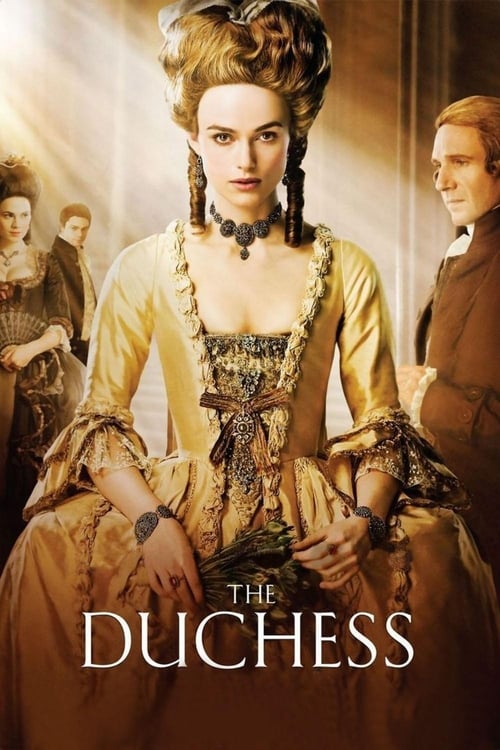
2008
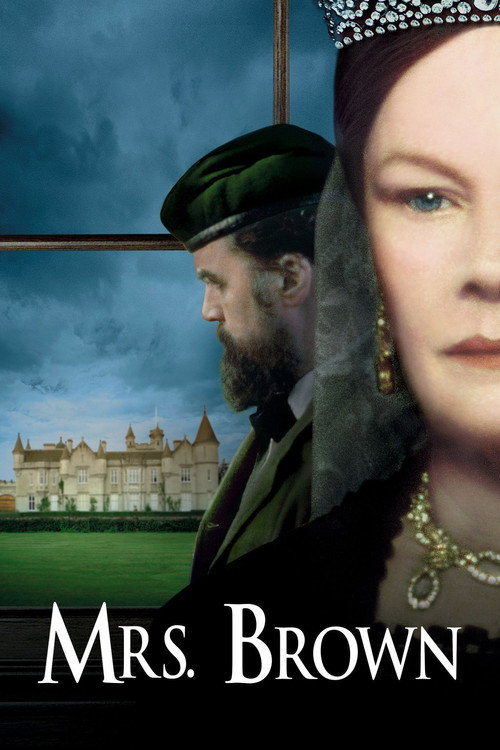
1997
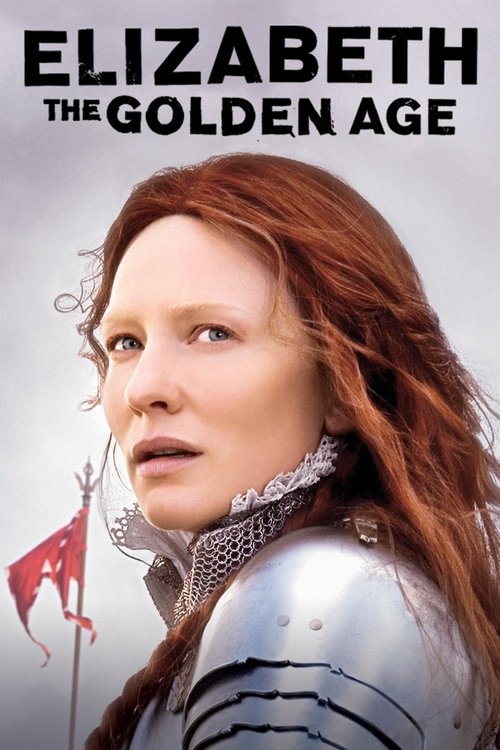
2007

1951
No reviews yet. Be the first to share your thoughts on this movie!
Use the rating form above to leave a star rating and optional review.