
Ryan's Daughter
1970
No user ratings available yet
Representation score: 3.7 out of 10
Representation Score
Fair
2008
RDirector
John Maybury
Runtime
110 minutes
Average Rating
No ratings yetNew Showbiz Analysis
The film excels in its post-colonial critique, using an interracial relationship to challenge the racial stratification of the 1940s. It moves beyond including someone from a minority group without giving them real depth to explore the systemic implications of colonial power dynamics. While the film challenges traditional masculine archetypes, it remains focused on heterosexual relationships. This narrow focus limits the breadth of its exploration of identity. Overall, the work uses its historical setting to interrogate identity-based power struggles and the subjective nature of morality, effectively challenging traditional Western social hierarchies.
Category Breakdown
The film focuses on heterosexual relationships and does not prominently feature LGBTQ+ identities or stories. It lacks a platform for queer narratives.
The film gives significant emotional weight to its female characters, who drive much of the psychological tension. It challenges traditional masculine stereotypes by depicting the male protagonist as emotionally unstable.
The film uses the backdrop of the British Raj to explore the tensions of colonial rule. It centers an interracial relationship to challenge the homogeneity of period dramas from the 1940s.
The film critiques Western colonial institutions by portraying social constraints as oppressive forces. It examines the power imbalances created by the British occupation in India.
There is no significant evidence regarding the portrayal of physical or neurodivergent disabilities within the film.
Present on Screen
Limited or Absent
Official Synopsis
When the Welsh poet Dylan Thomas and his flirtatious wife Caitlin sweep into war-torn London, the last thing they expect is to bump into Dylan's childhood sweetheart Vera. Despite her joy at seeing Dylan after so many years, Vera is swept off her feet by a dashing officer, William Killick, and finds herself torn between the open adoration of her new found beau and the wily charms of the exotic Welshman.
1970

1932
2013
1997

2016

1934
1996
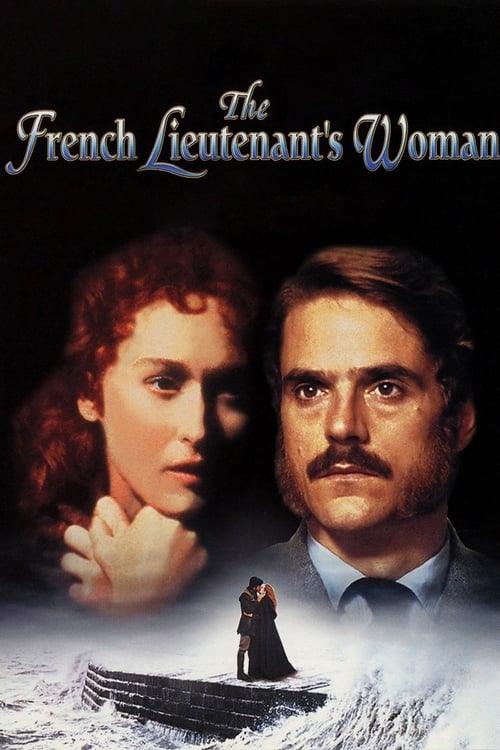
1981
No reviews yet. Be the first to share your thoughts on this movie!
Use the rating form above to leave a star rating and optional review.