A Room with a View
1986
No user ratings available yet
Representation score: 5.8 out of 10
Representation Score
Fair
1992
PGDirector
James Ivory
Runtime
142 minutes
Average Rating
No ratings yetNew Showbiz Analysis
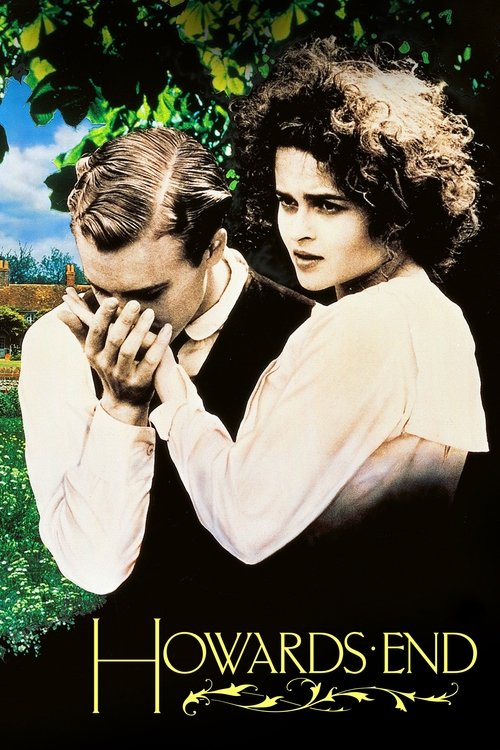
Howards End is a period drama that prioritizes the deconstruction of class and social hierarchies over modern identity politics. Its strength lies in its subversion of gendered intellectual hierarchies, placing women at the center of the film's moral and philosophical drive. However, the film remains traditional in its racial and LGBTQ+ depictions. While these omissions reflect the historical reality of Edwardian England, the narrative does not provide a diverse spectrum of identities beyond the white, straight-centered cast. Ultimately, the film succeeds as a systemic critique of capitalist expansion and the tension between tradition and modernity, using character's ability to drive the story to challenge established social structures.
Category Breakdown
The film is set in Edwardian England and focuses on traditional romantic pairings, lacking diverse LGBTQ+ identities or queer narratives.
Narrative ability to act centers on the Schlegel sisters, particularly Margaret, who acts as a primary intellectual force. This portrayal challenges submissive feminine clichés by emphasizing female autonomy.
The setting depicts a largely homogeneous white society typical of early 20th-century England. There is no significant non-Anglo-Saxon representation within the primary cast.
The story offers a sophisticated critique of capitalism by pitting intellectual values against industrial materialism. It deconstructs class-based moral superiority through a lens of moral relativism.
There are no prominent depictions of physical or neurodivergent disabilities that serve as central character arcs or plot devices.
Present on Screen
Limited or Absent
Official Synopsis
A saga of class relations and changing times in an Edwardian England on the brink of modernity, the film centers on liberal Margaret Schlegel, who, along with her sister Helen, becomes involved with two couples: wealthy, conservative industrialist Henry Wilcox and his wife Ruth, and the downwardly mobile working-class Leonard Bast and his mistress Jackie.
1986

1996
1993
1945
1995
2015

1993

1997
No reviews yet. Be the first to share your thoughts on this movie!
Use the rating form above to leave a star rating and optional review.