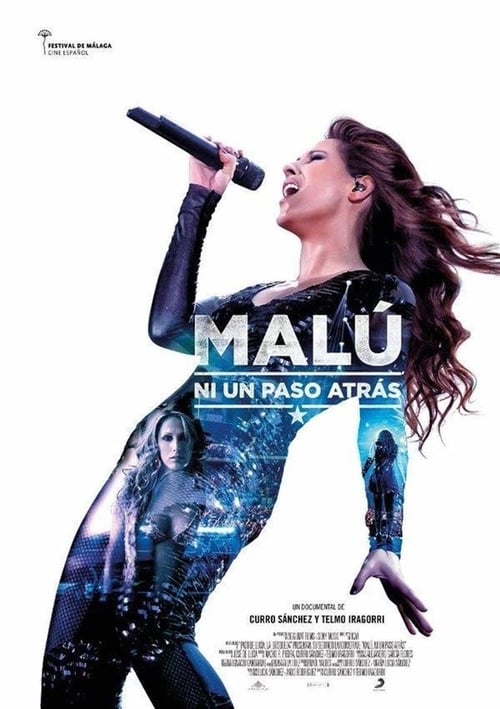
Malú: ni un paso atrás
2016
No user ratings available yet
Representation score: 4.7 out of 10

Representation Score
Good
2020
Director
Ramón Lara, Jordi Évole
Runtime
63 minutes
Average Rating
No ratings yetNew Showbiz Analysis
Eso que tú me das is an intimate character study that emphasizes humanistic inquiry over broad social commentary. By focusing on the final dialogue between Jordi Évole and Pau Donés, the film explores mortality and legacy through a deeply personal lens. The documentary avoids traditional, polished institutional narratives, opting for raw authenticity. While it does not actively disrupt demographic hierarchies, its strength lies in its empathetic portrayal of the human condition during a period of profound vulnerability. Ultimately, the film serves as a meditation on life and death. It treats the subject's physical and emotional state with dignity, though its narrow focus limits its scope regarding broader social diversity.
Category Breakdown
The film does not include any explicit LGBTQ+ characters or explore non-straight relationships. There is no mention of LGBTQ+ identities in the dialogue.
The film centers around conversations between two men, focusing on male relationships. It does not address gender-based power dynamics or challenge traditional gender roles.
The documentary focuses on Spanish figures. There is no indication of a multi-ethnic cast or any whitewashing of the characters' backgrounds.
The film adopts a secular, humanist approach, emphasizing personal truth and existential reflection. It avoids rigid religious or institutional frameworks in its storytelling.
The film highlights the reality of terminal illness and physical vulnerability. It portrays the individual facing death with dignity and ability to act.
Present on Screen
Limited or Absent
Official Synopsis
A documentary film set up by a conversation between Jordi Évole and Pau Donés, twenty days before the latter's death.
2016
2023
2020

2014
2024

2012
2019

2016
No reviews yet. Be the first to share your thoughts on this movie!
Use the rating form above to leave a star rating and optional review.