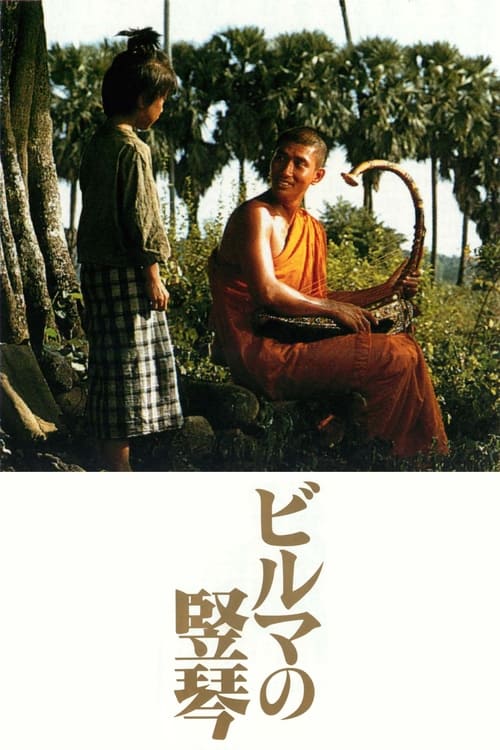
The Burmese Harp
1985
No user ratings available yet
Diversity score: 5.0 out of 10
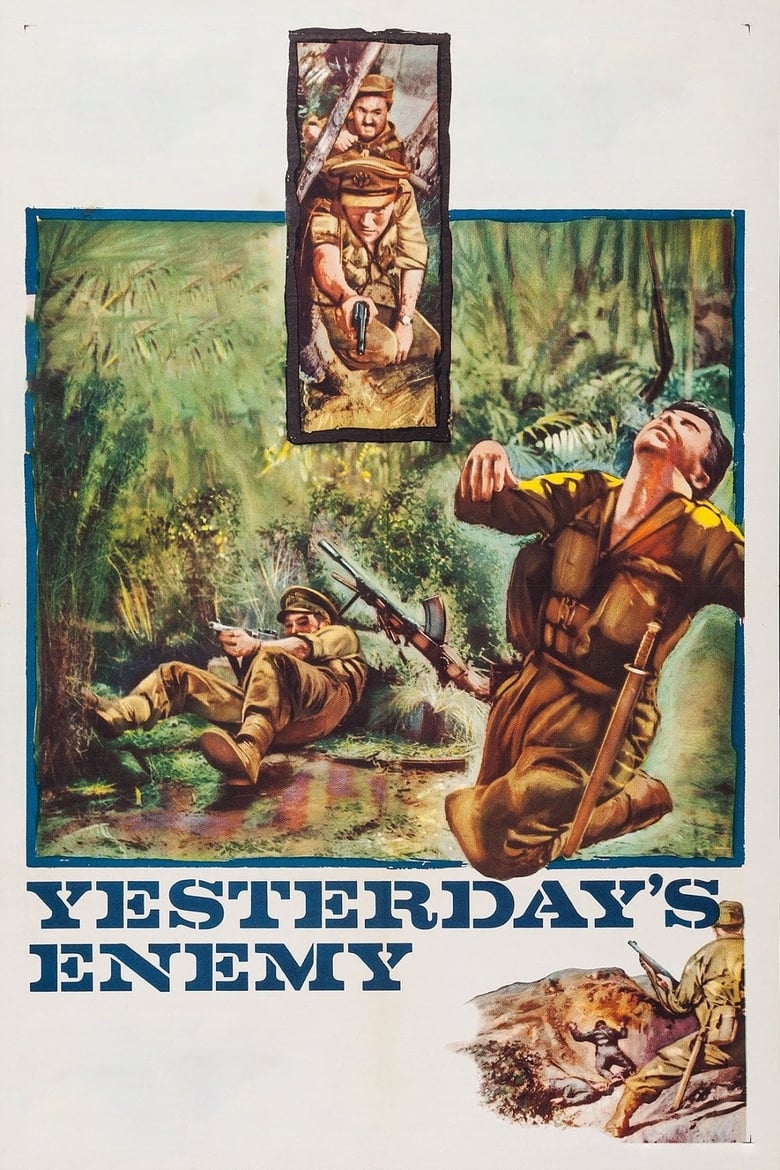
1959
NRDirector
Val Guest
Runtime
95 minutes
Average Rating
No ratings yetSynopsis
Set during the Burma Campaign of World War 2, this is the story of courage and endurance of the soldiers struggling at close quarters against the enemy. The film examines the moral dilemmas ordinary men face during war, when the definitions of acceptable military action and insupportable brutality become blurred and distorted.
Overall Score
Limited
Category Breakdown
LGBTQ+ Representation
The film is strictly confined to a masculine military environment. It lacks any evidence of non-heteronormative identities or queer subtext.
Gender Representation
This is an exclusively male ensemble piece. The narrative fails to engage with female perspectives or challenge the patriarchal military structure.
Racial & Ethnic Diversity
The film depicts the racial tensions of the Malayan landscape. Local ethnic groups are portrayed as active political agents rather than mere background scenery.
Religious & Cultural Diversity
The narrative critiques Western colonial interests by framing insurgents as a motivated political movement. It explores the moral relativism of the occupation.
Disability Representation
There is no discernible focus on physical disability or neurodivergence. While psychological strain is a theme, it is not a central narrative component.
Strengths
Areas for Improvement
AI Analysis
Yesterday's Enemy distinguishes itself from standard mid-century military dramas by focusing on the psychological erosion of counter-insurgency. It avoids the 'heroic empire' trope, opting instead to explore the moral ambiguity of Western interventionism during the Malayan Emergency. The film's strength lies in its sophisticated handling of post-colonial themes. By presenting a non-binary moral landscape, it critiques the perceived righteousness of colonial rule and treats local populations as complex political actors. However, the production is heavily limited by the social constraints of its era. The total absence of female agency and LGBTQ+ representation results in a narrow, hyper-masculine perspective that ignores significant demographic groups.
1985
1968
1992
1964
1965
1968
1958
1968
1962
1987

1956
1965
No reviews yet. Be the first to share your thoughts on this movie!
Use the rating form above to leave a star rating and optional review.