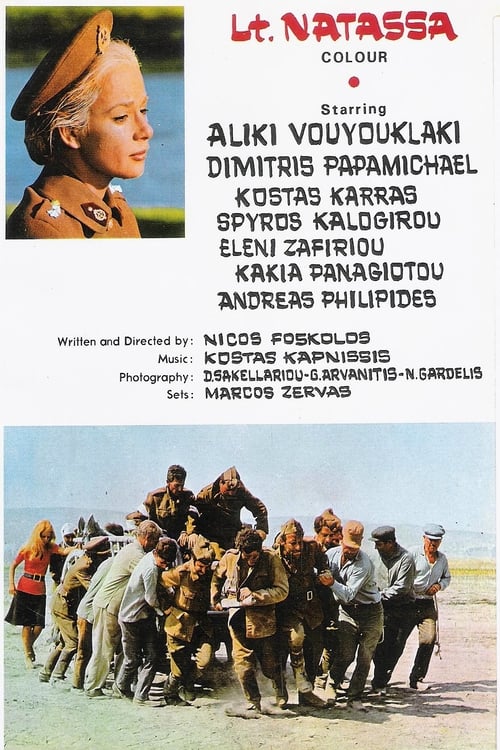
Lieutenant Natassa
1970
No user ratings available yet
Representation score: 5.7 out of 10
Representation Score
Minimal
1962
TV-14Director
Takis Kanellopoulos
Runtime
87 minutes
Average Rating
No ratings yetNew Showbiz Analysis
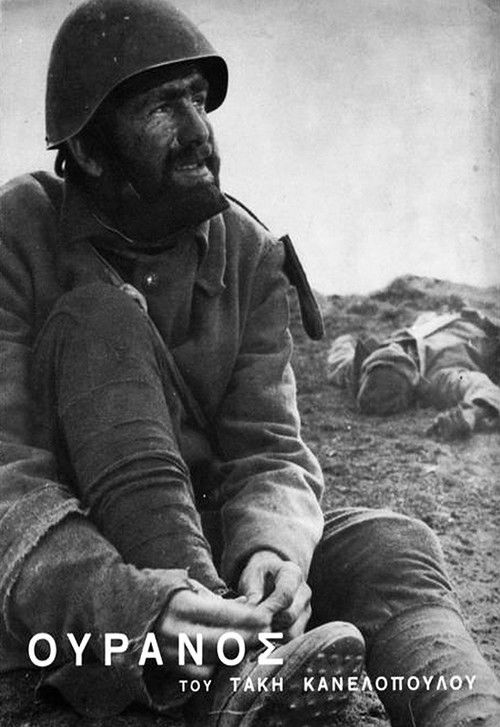
Sky (1962) is a somber wartime drama that emphasizes psychological realism over social diversity. The narrative centers on the existential dread of Greek soldiers retreating through a landscape ravaged by German occupation. The film adheres to the cinematic conventions of its time, focusing on a homogeneous group of men. It lacks representation of LGBTQ+ identities, women's ability to drive the story, or specific disability narratives, concentrating instead on the universal trauma of combat. While it provides a nuanced perspective on national identity under oppression, it does not actively challenge social hierarchies or incorporate diverse viewpoints.
Category Breakdown
The film does not feature any LGBTQ+ characters or non-cisgender identities. It focuses on a traditional military unit in a wartime setting.
The story revolves around a squad of male soldiers, emphasizing traditional masculine roles. There is no depiction of women's ability to drive the story or subversion of gender hierarchies.
Set in the Greek countryside, the film likely features an ethnically uniform cast. It examines ethnic identity through resistance to German occupation.
The film delves into survival and the breakdown of societal stability during wartime. It shifts away from heroic clichés to a fatalistic view of national institutions.
No characters with disabilities are shown taking an active role. Soldiers' combat-related trauma is presented as a symptom of war rather than specific disability experiences.
Present on Screen
Limited or Absent
Official Synopsis
During the cold spring of 1941, with Greece already under German occupation, a long-suffering squad of war-battered soldiers receives orders from the headquarters in Athens to fall back, leaving behind the Albanian Front. As the men retreat through the snow-covered landscapes of the bomb-scarred Greek countryside, the terrifying certainty that nothing will ever be the same again crushes their weary human souls.
1970

1946
1965

1977

1968
1965
2017
1984
No reviews yet. Be the first to share your thoughts on this movie!
Use the rating form above to leave a star rating and optional review.