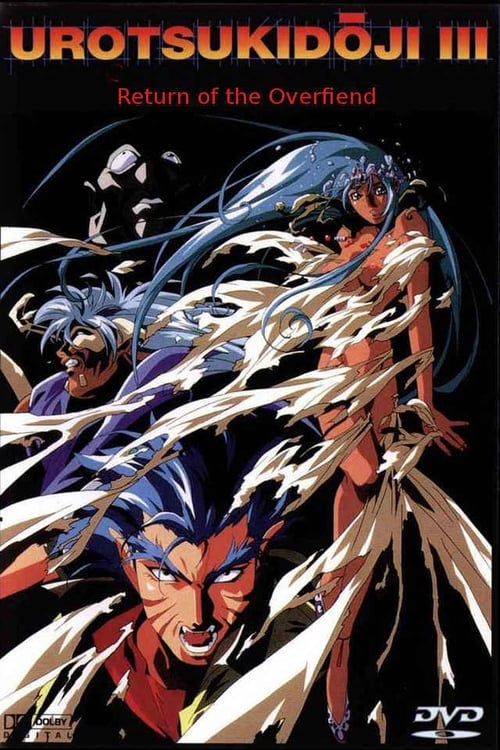
Urotsukidōji III: Return of the Overfiend
1993
No user ratings available yet
Representation score: 1.2 out of 10
Representation Score
Fair
1996
Director
Hideki Takayama
Runtime
50 minutes
Average Rating
No ratings yetNew Showbiz Analysis
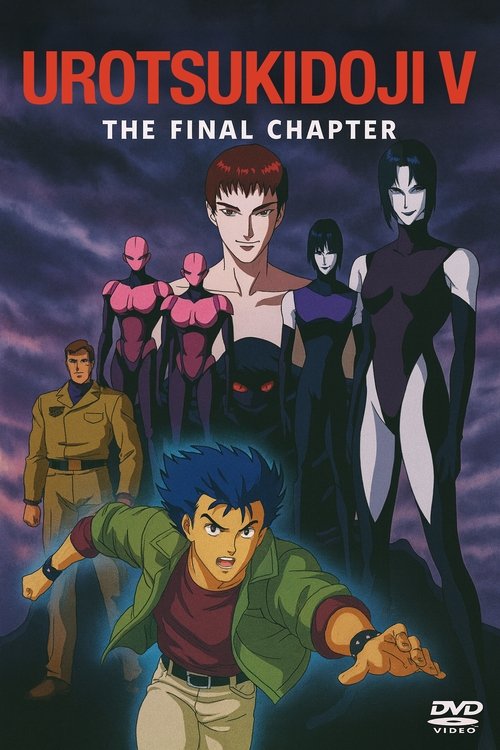
Urotsukidōji V operates as a work of transgressive cosmic horror where biological and social norms are disrupted by supernatural forces. While the film introduces non-binary biological themes through the Chojin, these elements serve to create genre-specific shock rather than fostering inclusive representation. The absence of a diverse cast and the use of bodily alterations as horror devices limit the film's social relevance. The narrative prioritizes mythological destruction over developing characters with meaningful experiences or ability to act. Ultimately, the film's subversions of gender and morality are grounded in the aesthetics of dark fantasy. It employs transgressive elements for impact within its genre rather than promoting systemic inclusivity or progressive social values.
Category Breakdown
The central Chojin figure is a hermaphrodite, challenging traditional gender binaries on a cosmic scale. However, this character's role is mainly to trigger supernatural chaos rather than to explore queer identity in depth.
Gender roles are depicted through hyper-sexualized vulnerability and monstrous dominance. These portrayals rely heavily on cosmic horror and sexual violence rather than offering a progressive deconstruction of gendered power dynamics.
The narrative centers on the metaphysical conflict between the Demon and Human Realms. There is no indication of a multi-ethnic cast, as the story depends on homogeneous mythological figures.
The film questions traditional Western moral concepts through inevitable cosmic destruction. This chaos is framed as a necessary part of mythology rather than a targeted critique of specific societal structures.
Physical transformations are primarily used as tools for horror. There is no portrayal of characters with disabilities having meaningful lived experiences or ability to act.
Present on Screen
Limited or Absent
Official Synopsis
Only one episode of this was partially completed, the released version containing numerous examples of animation that is missing in-between frames. The story as such concerned the arrival of the real Chojin as he/she (a hermaphrodite) makes moves to wipe out all life on Earth. Interestingly, the setup for the show was far more heavily connected with the first two, more popular, chapters in the Urotsukidoji saga, with appearances by Nagumo and Akemi (unseen since the early episodes of Part III), and redesigned character models that more closely resembled the earlier episodes. Some of the less popular characters introduced in chapters III and IV, particularly Buju, were nowhere to be seen. Nevertheless, such strategies did little to get this final saga off the ground and the story was shelved.
1993
1989
1991
1988
1993
1990
1986
2003
No reviews yet. Be the first to share your thoughts on this movie!
Use the rating form above to leave a star rating and optional review.