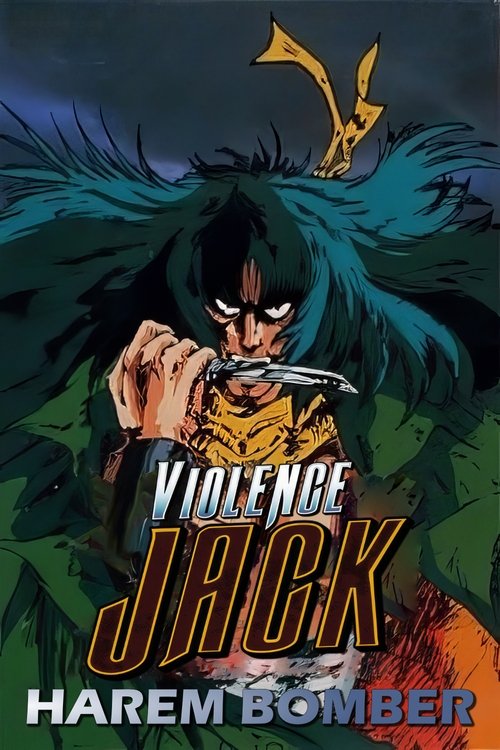
Violence Jack: Harem Bomber
1986
No user ratings available yet
Representation score: 4.7 out of 10
Representation Score
Fair
1990
UNRATEDDirector
Takuya Wada
Runtime
50 minutes
Average Rating
No ratings yetNew Showbiz Analysis
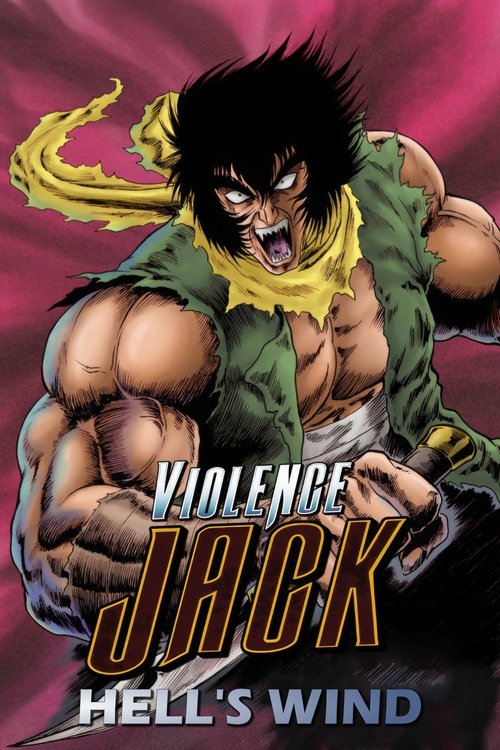
Violence Jack: Hell's Wind is a product of the hyper-masculine, nihilistic themes prevalent in early 90s OVA animation. It excels at deconstructing the stability of traditional institutions, presenting a cynical view of organized society and the nuclear family. However, the film reinforces traditional gender hierarchies, positioning women primarily as victims of gendered threats. This limits the depth of its social representation. Ultimately, the film prioritizes survivalist chaos over exploring diverse identities. While it delves into the loss of bodily autonomy through mutation, it remains rooted in conventional power dynamics.
Category Breakdown
The story centers around survival and traditional gender roles, with no depiction of non-binary gender identities or same-sex relationships.
Women are often shown as victims of systemic violence, such as being abducted by gangs. Characters like Jun demonstrate strength in combat but are frequently portrayed as vulnerable.
The post-apocalyptic setting obscures traditional racial markers, with identity defined by tribal factions, mutations, or cybernetic enhancements rather than cultural heritage.
The film depicts the collapse of Western civilization and replaces organized religion and capitalism with moral relativism and lawlessness.
Disability is framed through mutation and cybernetic enhancements, showing ability to act but as a result of a chaotic environment rather than social identities.
Present on Screen
Limited or Absent
Official Synopsis
The survivors of Kanto's Hell Earthquake built a new city and christened it "Hope Town". However, this peaceful town becomes a nightmare when it's raided by the motorcycle gang, "Hell's Wind". They abduct the women while the remaining townsfolk are left helpless against them. Meanwhile, a boy, Saburo, meets Jun. Jun's lover was previously murdered, and the duo help one another to fight against Hell's Wind. The battles are getting more and more difficult, but with the appearance of Violence Jack, the citizens seem to gain the upper hand against Hell's Wind.
1986
1988
1988
1987
1993
1968
1996
1996
No reviews yet. Be the first to share your thoughts on this movie!
Use the rating form above to leave a star rating and optional review.