The Sandman
1991
No user ratings available yet
Representation score: 0.9 out of 10
Representation Score
Good
1968
TV-Y7Director
Hiroshi Shidara
Runtime
47 minutes
Average Rating
No ratings yetNew Showbiz Analysis
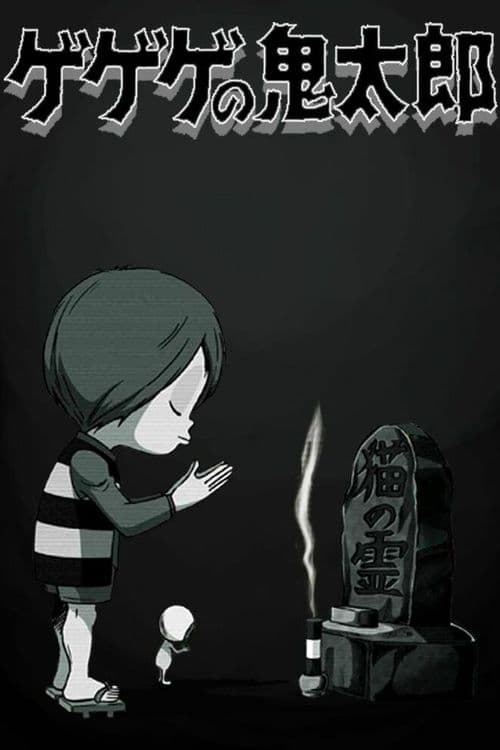
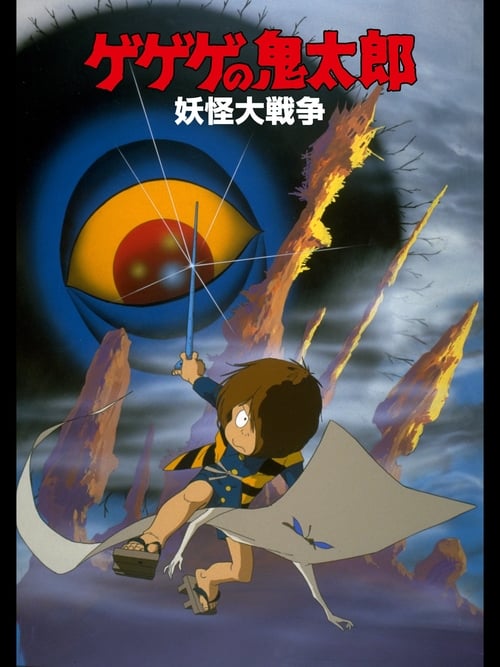
Spooky Kitaro uses the supernatural to explore themes of exclusion and outsider status. By centering a non-human protagonist, the film disrupts traditional human-centric social structures and moral hierarchies. The production relies on fantasy elements to provide a framework for discussing belonging. While it lacks explicit modern identity markers, its focus on the 'other' offers a sophisticated look at power dynamics. Ultimately, the film's strength lies in its moral relativism, treating both humans and spirits as complex actors within a shared, albeit divided, social landscape.
Category Breakdown
The film does not include explicit depictions of same-sex intimacy or non-binary gender identities. While the genre explores 'otherness,' there is no clear representation of LGBTQ+ characters or themes.
The narrative focuses on the male non-human protagonist, Kitarō, who holds most of the story's ability to act. Female spirits occasionally challenge societal norms, but the story remains centered on the titular hero.
The story uses non-human species as a metaphor for diversity. By centering a ghost on the periphery of society, it disrupts the idea of a homogeneous population.
The film explores subjective morality and the tension between human needs and spirit rights. It avoids binary villainy, often portraying spirits as misunderstood beings.
Characters with supernatural 'afflictions' often gain unique abilities and specialized skills. The narrative portrays these conditions as sources of power rather than objects of pity.
Present on Screen
Limited or Absent
Official Synopsis
Kitarō, a ghost, spends his afterlife helping humans in need of his skills. He thwarts the plans of evil spirits who live to torment humanity. A retelling of episodes 5-6 from the 1968 TV anime.
1991
1988
1990
1989
1996
1986
2003
1993
No reviews yet. Be the first to share your thoughts on this movie!
Use the rating form above to leave a star rating and optional review.