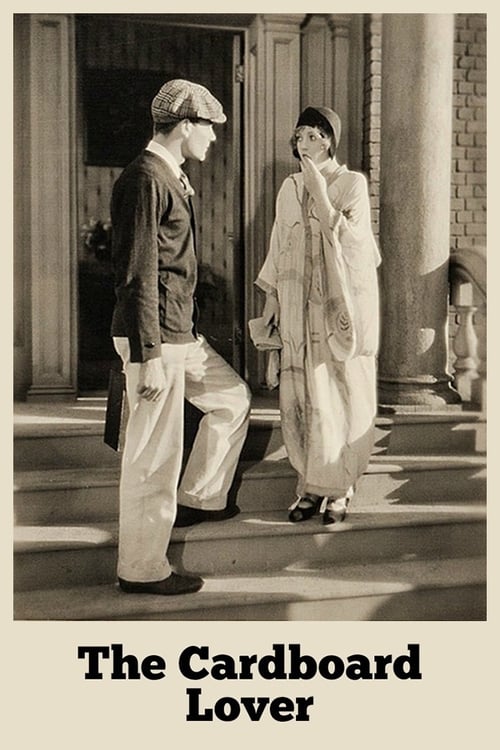
The Cardboard Lover
1928
No user ratings available yet
Diversity score: 3.0 out of 10

1951
NRDirector
Robert Z. Leonard
Runtime
91 minutes
Average Rating
No ratings yetSynopsis
Eric Wainwright, a busy impresario, is besieged by hordes of wannabe concert stars, eager for their big break. One of them is Cynthia Potter, a talented pianist... but she can't get in to see him. When she learns that Wainwright is auditioning young musicians for a children's concert tour, Cynthia dons braces and bobby sox and passes herself off as a child prodigy.
Overall Score
Minimal
Category Breakdown
LGBTQ+ Representation
The film follows a strictly heteronormative trajectory. The central conflict focuses on romantic pursuits between male and female leads, offering no presence of non-cisnormative identities.
Gender Representation
Cynthia Potter displays agency through her musical deception, yet her motivations remain tied to romantic fulfillment. The narrative reinforces conventional mid-century expectations of femininity and marriage.
Racial & Ethnic Diversity
The cast is predominantly white, reflecting the demographic homogeneity of the 1950s studio system. The setting lacks significant multi-ethnic presence or intersectional identities.
Religious & Cultural Diversity
The story celebrates mid-century Western social values and traditional morality. It reinforces conventional social institutions rather than deconstructing Western norms or exploring secularism.
Disability Representation
There are no visible or invisible disabilities portrayed. Characters are depicted through a lens of able-bodied normativity without any representation of neurodivergence or physical impairment.
Strengths
Areas for Improvement
AI Analysis
This MGM production is a quintessential product of the 1950s studio era, prioritizing polished, conventional narratives over social disruption. It functions within a narrow, traditionalist framework that reinforces the era's prevailing social hierarchies. The film lacks intersectional complexity, focusing almost exclusively on a singular perspective of romance and professional ambition. By adhering strictly to the moral and social norms of its time, it fails to engage with marginalized identities or diverse lived experiences. Ultimately, the narrative serves to uphold rather than challenge the status quo, resulting in a highly homogeneous viewing experience.
1928
1933
1948
1937
1948
1946
1935
1951
1949

1949
1943
1962
No reviews yet. Be the first to share your thoughts on this movie!
Use the rating form above to leave a star rating and optional review.