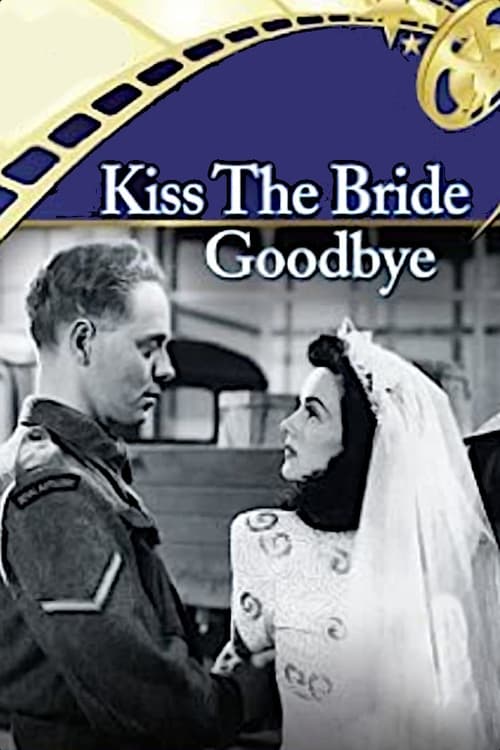
Kiss the Bride Goodbye
1945
No user ratings available yet
Representation score: 1.8 out of 10

Representation Score
Minimal
1948
NRDirector
Don Hartman
Runtime
85 minutes
Average Rating
No ratings yetNew Showbiz Analysis
Every Girl Should Be Married is a product of the late 1940s studio era, designed primarily to uphold the social status quo. While the female protagonist shows strategic planning, her actions are driven by the validation of traditional marriage. The film lacks meaningful representation of diverse identities, focusing instead on a narrow, straight-centered view of romance and domesticity. It serves as a snapshot of mid-century social norms without challenging them. Ultimately, the film reinforces established hierarchies through its themes and likely casting, offering little room for cultural or identity-based subversion.
Category Breakdown
The film focuses on a typical heterosexual relationship without exploring any non-straight or non-cisgender identities. It doesn't question traditional relationship structures.
Anabel Sims plays a significant role in driving the story by planning a scheme to trap her partner. However, the plot ultimately upholds traditional gender roles and mid-century social structures.
The film likely reflects the predominantly white casting standards of the 1940s studio system. It portrays Western, white social structures as the norm.
The story emphasizes the stability of the nuclear family and traditional Western social institutions. It aligns with the moral frameworks prominent in post-war American cinema.
There are no visible or invisible disabilities mentioned or central to the character arcs in this narrative.
Present on Screen
Limited or Absent
Official Synopsis
Anabel Sims is determined to find the perfect husband. She thinks she's found her man in Madison Brown, a handsome pediatrician. She then prepares an elaborate scheme to trap him into marriage
1945
1953
1948

1938
1950

1958
1958
1940
No reviews yet. Be the first to share your thoughts on this movie!
Use the rating form above to leave a star rating and optional review.