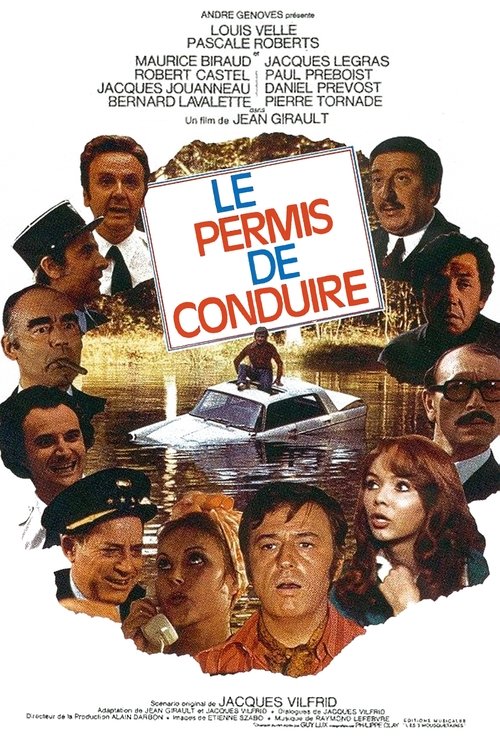
Le Permis de conduire
1974
No user ratings available yet
Representation score: 1.4 out of 10
Representation Score
Fair
1974
Director
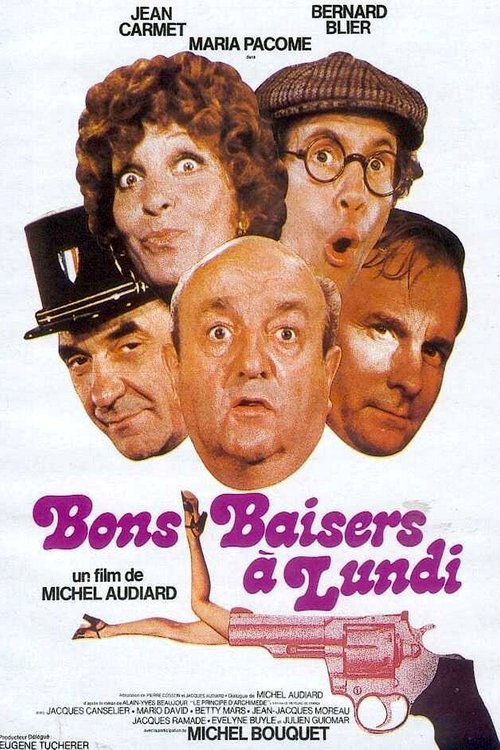
Michel Audiard
Runtime
94 minutes
Average Rating
No ratings yetNew Showbiz Analysis
Kisses Till Monday functions primarily as a social satire that uses a heist framework to explore the friction between the working class and the bourgeoisie. While the film lacks explicit markers of identity-based representation, it finds its purpose in institutional critique. The narrative disrupts conventional heroism by positioning disenfranchised characters against a rigid socioeconomic structure. By targeting the economic elite, the film frames criminal acts as a response to systemic disparity. Ultimately, the work relies on Michel Audiard's signature ability to use dialogue and satire to deconstruct class hierarchies, even if it lacks broader demographic diversity.
Category Breakdown
The film does not include explicit references to LGBTQ+ identities or queer subtext. The main storyline focuses on a heist involving three male protagonists.
The story emphasizes a traditional masculine-driven structure, focusing on a male-dominated trio of thieves and a male antagonist. There is little detail about women's ability to drive the story or the subversion of gendered power dynamics.
The narrative likely centers on a homogeneous demographic, as there is no specific information about ethnic composition. The primary focus seems to be on class-based tension rather than racial diversity.
The film offers a strong critique of capitalist structures by centering on thieves targeting a wealthy businessman. This setup challenges traditional notions of legality and property through moral relativism.
There is no mention of characters navigating physical or neurodivergent experiences within the available narrative context.
Present on Screen
Limited or Absent
Official Synopsis
Three thieves, Henri-Pierre, Bob and Dimitri decide to take on Frankie Strong, a wealthy businessman.
1974

1979

1959
1982
1975
1974
1994
1971
No reviews yet. Be the first to share your thoughts on this movie!
Use the rating form above to leave a star rating and optional review.