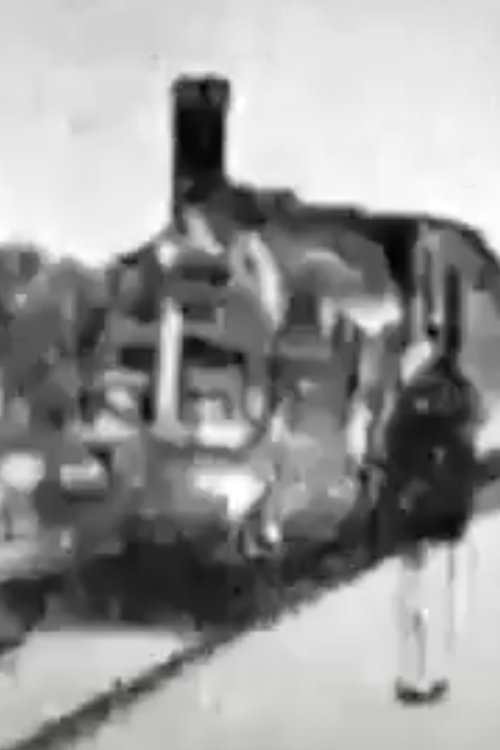
Arrival of a Train (Joinville Station)
1896
No user ratings available yet
Representation score: 0.6 out of 10
Representation Score
Minimal
1896
Director
Georges Méliès
Runtime
1 minutes
Average Rating
No ratings yetNew Showbiz Analysis
Georges Méliès' work functions as a 'cinema of attractions,' emphasizing the technical spectacle of motion over character-driven storytelling. Since it is a documentary-style actuality of a train arrival, it lacks the narrative structure needed for social commentary or diverse character development. The visual content reflects the homogeneous social structures of 19th-century France. It serves as a historical record of Western industrialism rather than a platform for characters who reflect more than one aspect of diversity. Ultimately, the film's significance lies in its technical and historical value. It does not engage with modern frameworks of progressive representation, focusing instead on capturing the functional reality of a period-specific urban environment.
Category Breakdown
There are no depictions of romantic relationships or gender identities in this non-narrative observational piece. The film lacks interpersonal dynamics to explore LGBTQ+ themes.
Women are shown as passive members of a crowd of commuters. They occupy public urban spaces but are not given roles that make them active agents in the narrative.
The footage reflects a largely homogeneous demographic typical of 1896 Parisian society. There is no indication of casting that disrupts Eurocentric norms or characters who reflect more than one aspect of diversity.
The film documents late 19th-century Western industrialism through a railway system. It captures a functional urban hub without engaging in complex cultural critiques.
The subjects are captured as a general movement of commuters. No characters with visible or invisible disabilities are shown taking active roles.
Present on Screen
Limited or Absent
Official Synopsis
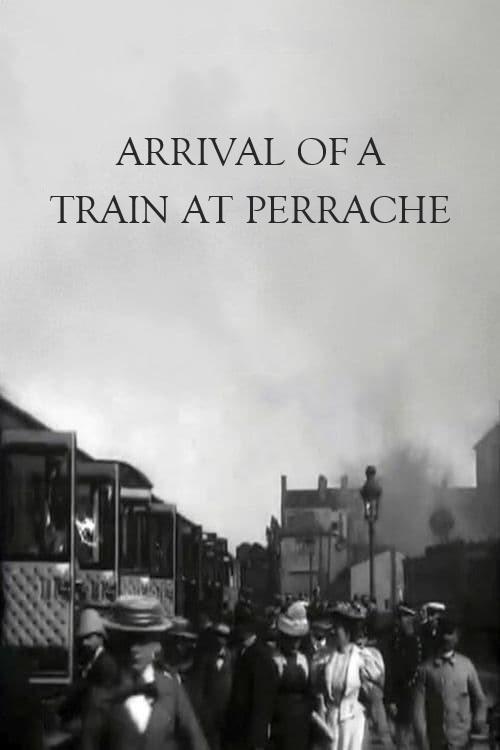
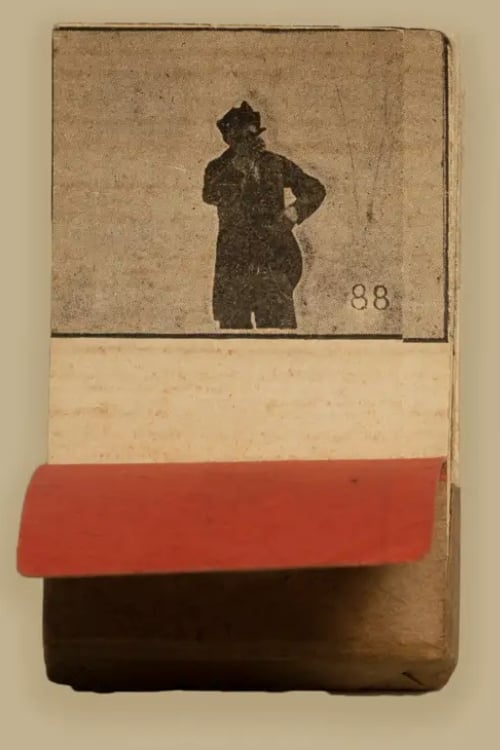
This lost film presumably features a train arriving at Vincennes station, eastern Paris. (Until 2020, was confused with Arrival at Joinville flipbook.)
1896
1898
1896
1896
1896
1896

1896

1896
No reviews yet. Be the first to share your thoughts on this movie!
Use the rating form above to leave a star rating and optional review.