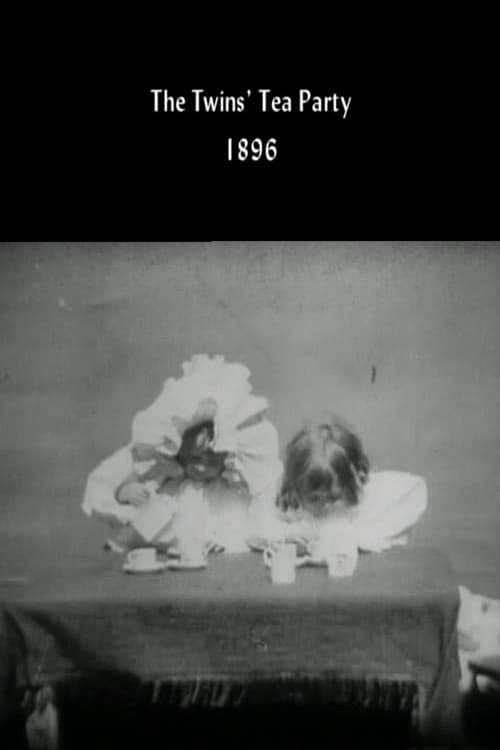
The Twins' Tea Party
1896
No user ratings available yet
Representation score: 1.1 out of 10
Representation Score
Minimal
1896
Director
Robert W. Paul
Runtime
1 minutes
Average Rating
No ratings yetNew Showbiz Analysis
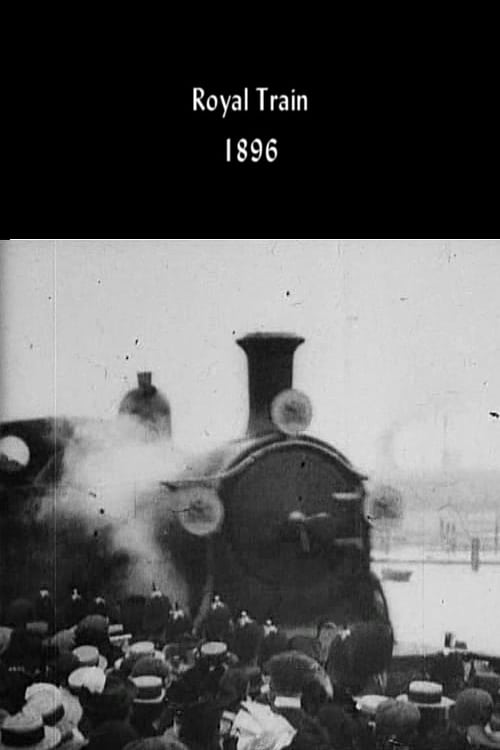
Royal Train is a basic cinematic document focused on visually documenting a moving subject. Due to its archival and observational nature, it lacks the character development and thematic depth needed to address modern identity issues. The film's simple structure does not challenge social hierarchies or offer diverse representation. It captures a moment of technological importance but does not delve into complex human experiences. Overall, the work reflects the limitations of early 1896 filmmaking, emphasizing the recording of institutional prestige over progressive storytelling.
Category Breakdown
The film does not include any characters with LGBTQ+ identities or non-traditional gender expressions. It focuses on visual documentation rather than character development.
Women in the film do not have significant roles or disrupt traditional gender roles. The lack of narrative depth prevents any examination of gender hierarchy.
The film documents a specific historical event within a very homogeneous social context. There is no mention of non-white or non-Anglo-Saxon actors.
The film upholds traditional Western institutions and social hierarchies. It does not explore secularism or critique capitalism.
The film does not depict any characters with visible or invisible disabilities. There is no portrayal of individuals with disabilities taking active roles.
Present on Screen
Limited or Absent
1896
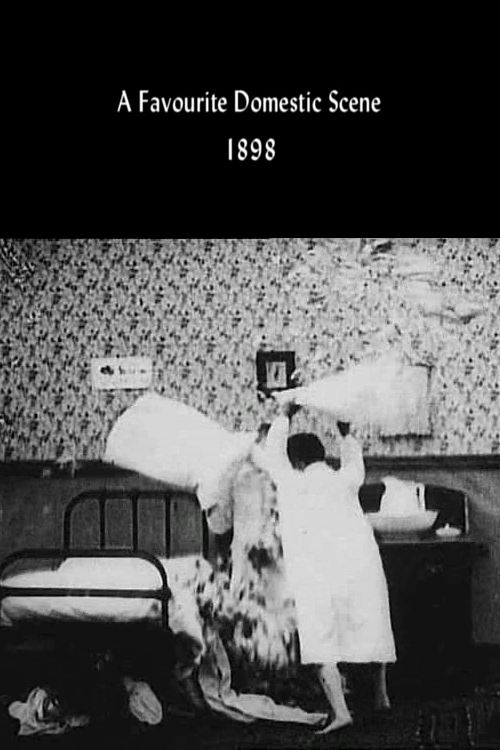
1898

1896
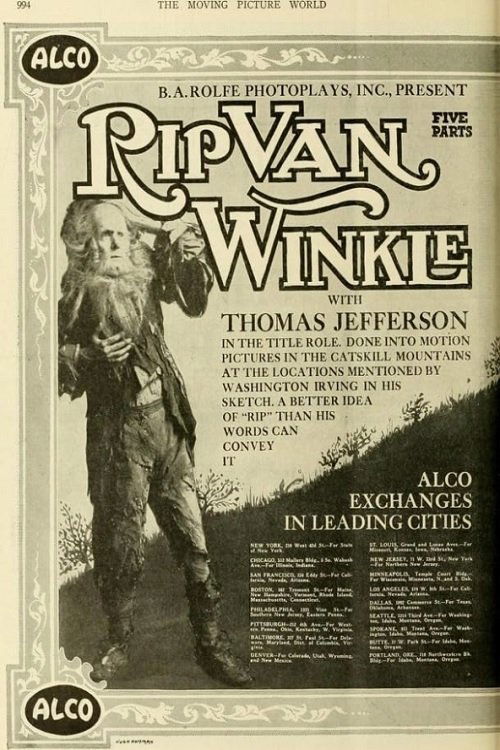
1896
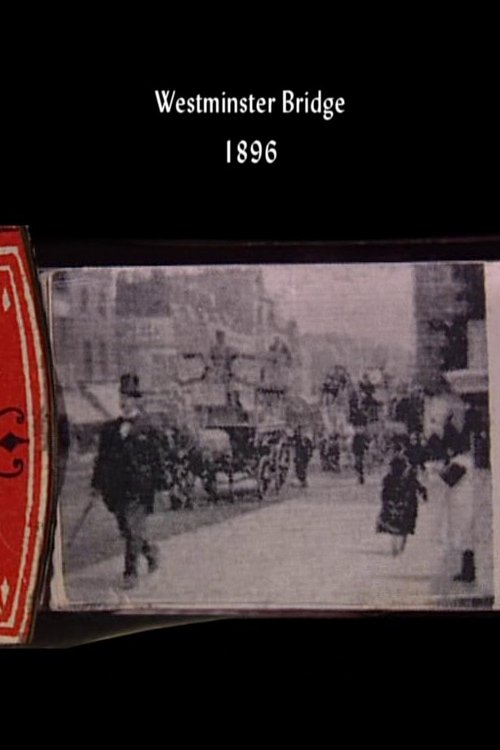
1896
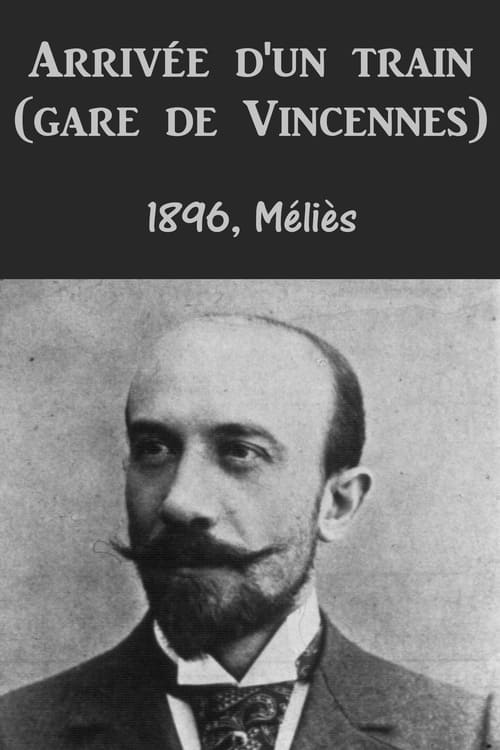
1896
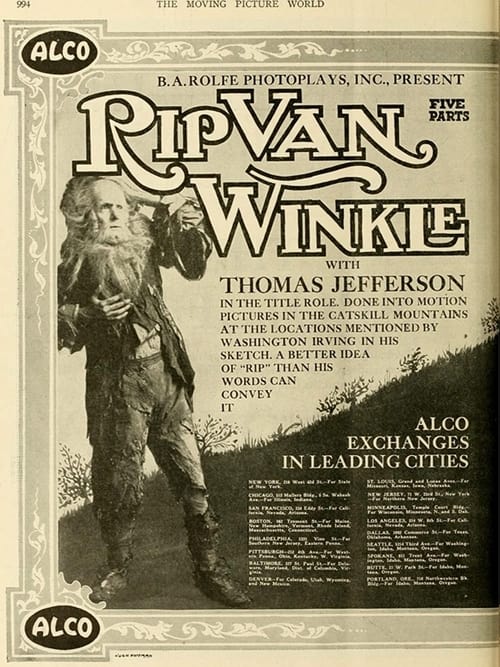
1896
1898
No reviews yet. Be the first to share your thoughts on this movie!
Use the rating form above to leave a star rating and optional review.