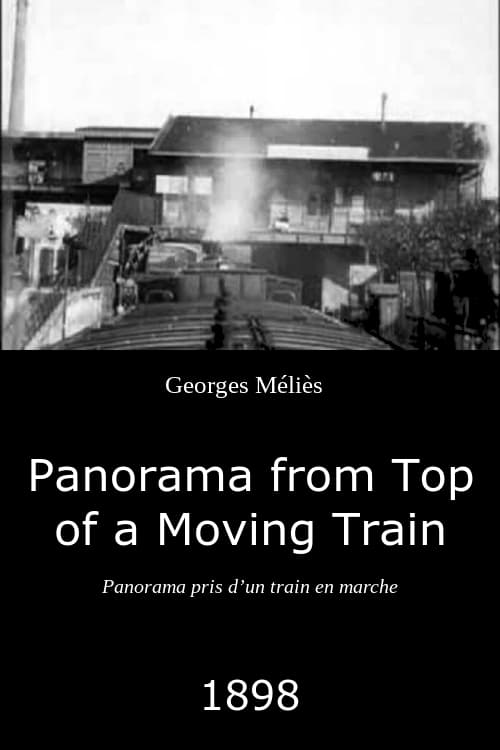
Panorama from Top of a Moving Train
1898
No user ratings available yet
Representation score: 0.0 out of 10
Representation Score
Minimal
1896
Director
Georges Méliès
Runtime
1 minutes
Average Rating
No ratings yetNew Showbiz Analysis
This seminal work in cinema history prioritizes the spectacle of technological arrival over social commentary. It functions as an *actualité*, capturing unmediated reality without constructing narratives. Due to the lack of narrative structure, it fails to engage with identity politics or intersectionality. The film reflects the demographic and technological status quo of its time, lacking the intentionality to challenge social hierarchies or promote progressive representation.
Category Breakdown
The film briefly captures a public transit event but lacks the depth needed to establish or address LGBTQ identities or heteronormativity.
Women are shown in a typical 19th-century public setting, but the limited visual scope prevents any meaningful analysis of gender roles or social hierarchies.
The passengers represent a mix of late 19th-century French society. However, due to technical limitations, specific racial or ethnic identities are not clearly identifiable.
The film documents the technological advancements and expansion of railways during the late 19th century. It does not engage with religious, political, or anti-capitalist critiques of the era.
There are no visible or audible signs of characters with physical or neurodivergent disabilities. The focus remains solely on the train and crowd movement.
Present on Screen
Limited or Absent
Official Synopsis
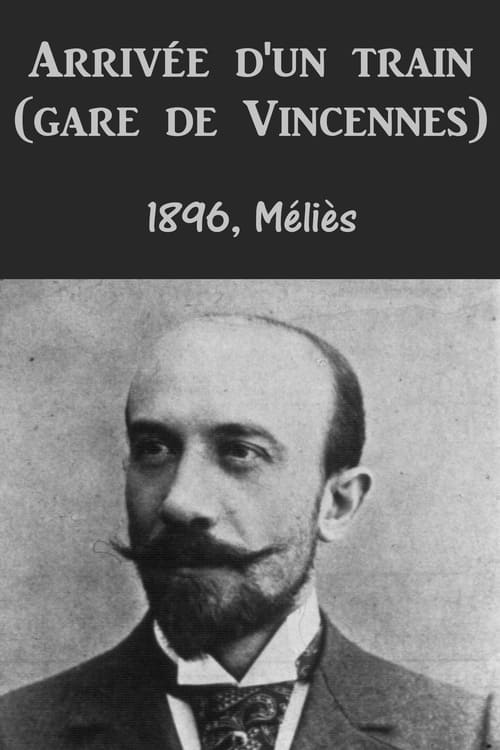
One of a few versions of the "arrival of the train" narrative. While the film is lost, there is a new digital version based on re-creation from a flipbook produced by Léon Beaulieu around the same time. Shot in Joinville-le-Pont
1898

1896

1896
1896
1898

1935
1896
1896
No reviews yet. Be the first to share your thoughts on this movie!
Use the rating form above to leave a star rating and optional review.