
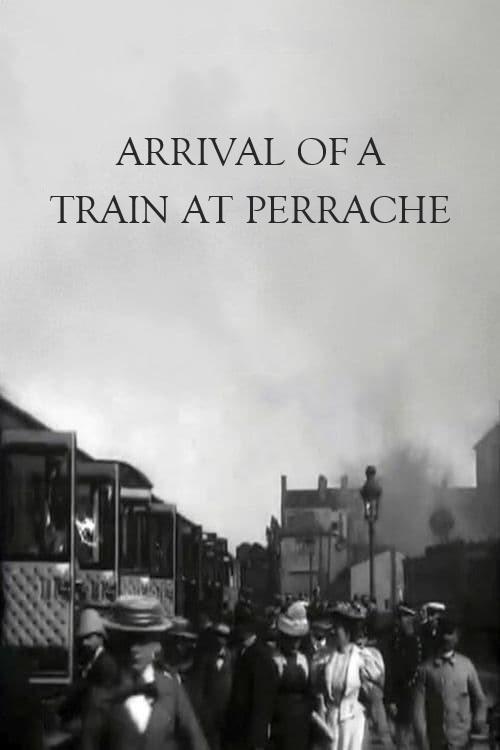
Panorama de l'arrivée en gare de Perrache pris du train
1896
No user ratings available yet
Representation score: 0.6 out of 10
Representation Score
Limited
1896
Director
Louis Lumière
Runtime
1 minutes
Average Rating
No ratings yetNew Showbiz Analysis
This film serves as a historical document capturing a specific moment in late 19th-century France. It reflects the demographic status quo of the time. Because the film focuses on the objective observation of movement and technological advancement, it lacks the intentionality needed to engage with diverse identities or social critiques. The subjects are passive participants in a mechanical moment rather than characters with ability to act.
Category Breakdown
The film documents a public transit event and does not include any representation of LGBTQ+ identities or same-sex relationships.
The subjects follow strict Victorian fashion norms, with men in suits and women in period clothing. There is no evidence of gender roles challenging traditional hierarchies or ability to act.
The footage shows a predominantly white crowd typical of a French transit hub in 1896. It lacks visible evidence of racial or ethnic diversity.
The film highlights industrial progress and mechanical efficiency. It avoids religious or anti-Western themes, focusing instead on the stability of Western infrastructure.
The subjects appear to be able-bodied commuters. There is no focus on individuals with visible or invisible disabilities.
Present on Screen
Limited or Absent
Official Synopsis
A trains arrives at Perrache station and people disembark.
1896

1927
1900
1897

1895
1895
1900
1896
No reviews yet. Be the first to share your thoughts on this movie!
Use the rating form above to leave a star rating and optional review.