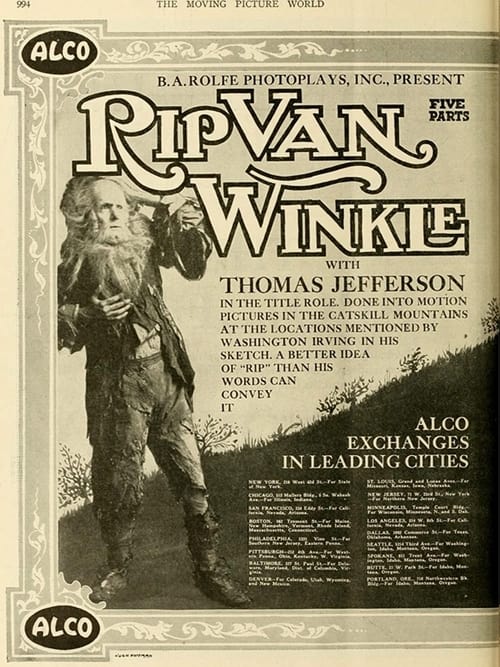
Rip Leaving Sleepy Hollow
1896
No user ratings available yet
Diversity score: 1.6 out of 10
No Poster Available
1896
Director
William K.L. Dickson
Runtime
1 minutes
Average Rating
No ratings yetOverall Score
Minimal
Category Breakdown
LGBTQ+ Representation
The film contains no evidence of non-cisnormative identities. There are no narratives present that critique heteronormativity.
Gender Representation
The production focuses on a singular male lead, Joseph Jefferson. It lacks any portrayal of non-traditional gender roles or subversion of hierarchies.
Racial & Ethnic Diversity
The casting reflects the demographic homogeneity of late 19th-century Western stage performances. No non-white protagonists are documented in this work.
Religious & Cultural Diversity
The film operates within traditional Victorian theatrical traditions. It does not offer critiques of Western institutions or secular themes.
Disability Representation
No characters with visible or invisible disabilities are identified in the surviving historical context of this film.
Strengths
Areas for Improvement
AI Analysis
Rip Passing Over the Mountain is a foundational fantasy short that captures the technical experimentation of the late 19th century. Centered on the performance of stage actor Joseph Jefferson, the film serves more as a technical milestone than a narrative exploration of identity. The work is constrained by the era's production limitations and the brevity of early cinematography. Consequently, it lacks the framework for intentional intersectional storytelling or the disruption of systemic social hierarchies. Ultimately, the film reflects the rigid social structures of its time, focusing on traditional performance tropes rather than the inclusion of marginalized identities.
1896
1896
1892
1896
1896
1896
1896

1894

1896
No reviews yet. Be the first to share your thoughts on this movie!
Use the rating form above to leave a star rating and optional review.