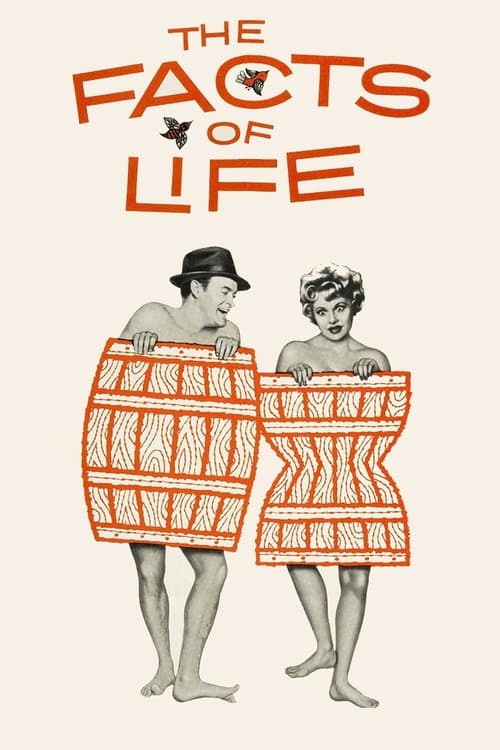
The Facts of Life
1960
No user ratings available yet
Representation score: 1.9 out of 10

Representation Score
Minimal
1973
PGDirector
Melvin Frank
Runtime
106 minutes
Average Rating
No ratings yetNew Showbiz Analysis
A Touch of Class is a conventional romantic comedy that closely aligns with the demographic norms of the early 1970s. While it features a strong female lead with ability to act, the film lacks depth in representing diverse identities. The homogeneous cast and focus on Western social circles limit its inclusivity. The film primarily serves as a character study of class and infidelity, without challenging systemic social or gender hierarchies.
Category Breakdown
The film follows a strictly heterosexual structure, focusing entirely on a romantic relationship between a man and a woman, with no representation of LGBTQ+ identities or non-straight perspectives.
The female protagonist, Vicki, exhibits assertiveness and sexual autonomy, directing her own romantic encounters rather than playing a submissive role. However, the film does not challenge traditional masculinity.
The cast is overwhelmingly white, reflecting a narrow social circle. There is no evidence of non-white characters in positions of significance or meaningful inclusion.
The story explores class tensions within affluent London settings, upholding traditional social structures without critiquing systemic issues related to family or religion.
The narrative does not address physical or neurodivergent disabilities. No visible or invisible disabilities are portrayed within the central character arcs.
Present on Screen
Limited or Absent
Official Synopsis
Steve, a happily married American man living in London meets Vicki, an English divorcée and run off to Marbella for a rollicking week of sex. They then return to London to set up a cozy menage, despite the fact that he loves his wife and children, and now realize that he and Vicki have also fallen in love.
1960
1976
1965
1955

1970
1963
1967

1972
No reviews yet. Be the first to share your thoughts on this movie!
Use the rating form above to leave a star rating and optional review.