
You're a Big Boy Now
1966
No user ratings available yet
Representation score: 2.0 out of 10
Representation Score
Minimal
1965
NRDirector
Delbert Mann
Runtime
114 minutes
Average Rating
No ratings yetNew Showbiz Analysis
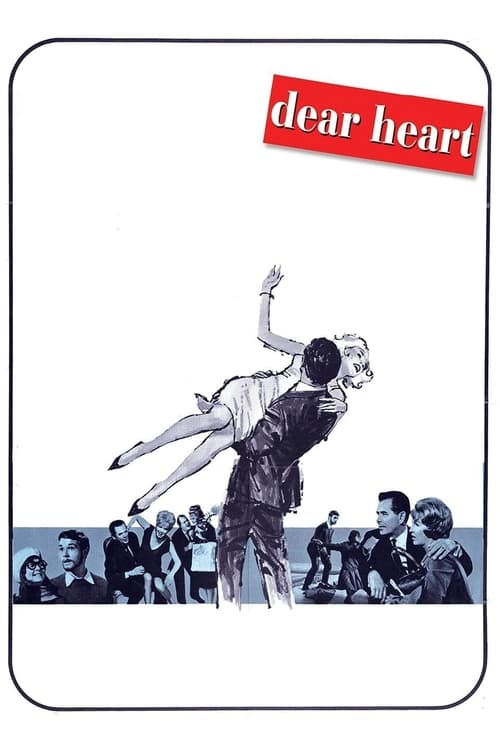
Dear Heart is a period-typical romantic drama that emphasizes personal emotional journeys over broader societal issues. It operates within the conventional social expectations of the 1960s, focusing on interpersonal connections rather than identity-based themes. While the protagonist exhibits more control over her story than a typical 'spinster' archetype, the film does not aim to disrupt traditional hierarchies. The narrative structure remains firmly grounded in the social norms of its time.
Category Breakdown
The film focuses solely on a heterosexual relationship, with no representation of LGBTQ+ identities or critiques of traditional romantic structures.
Rey Lorenz is shown as a determined woman seeking independence in New York. However, the story ultimately upholds traditional gender roles through a conventional romantic ending.
The cast is uniform, reflecting the era's typical Hollywood practices. The story centers on a predominantly white, Anglo-Saxon social environment without diverse representation.
The film adheres to mid-20th century Western social norms and traditional romantic ideals. It focuses on middle-class professional life without challenging established social structures.
There is no depiction of visible or invisible disabilities in the narrative or character descriptions.
Present on Screen
Limited or Absent
Official Synopsis
A lonely Ohio spinster hopes to find romance when she travels to New York City for a postmasters' convention.
1966

1952
1963

1962

1963

1955
1958

1953
No reviews yet. Be the first to share your thoughts on this movie!
Use the rating form above to leave a star rating and optional review.