Gates of Heaven
1978
No user ratings available yet
Diversity score: 4.8 out of 10
1997
PGDirector
Errol Morris
Runtime
83 minutes
Average Rating
No ratings yetSynopsis
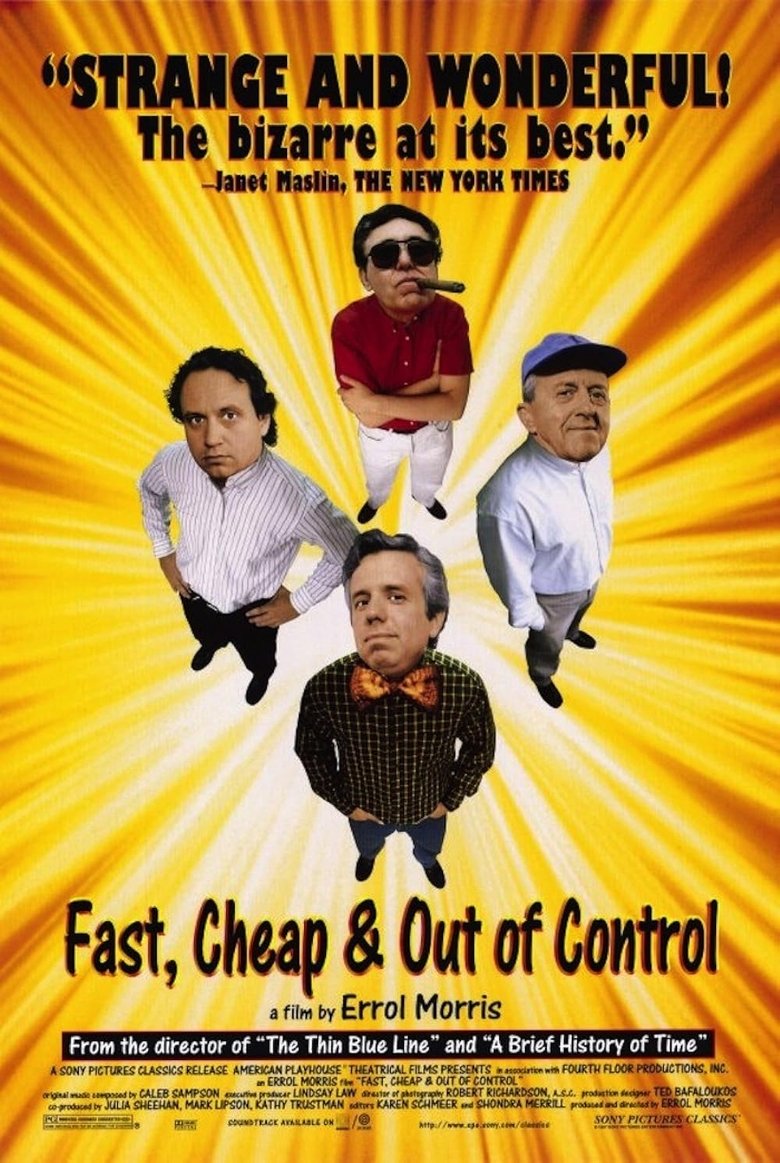
Errol Morris’s Fast, Cheap & Out of Control interweaves the stories of four men, each driven to create eccentric worlds from their unique obsessions, all of which involve animals. There’s a lion tamer who shares his theories on the mental processes of wild animals; a topiary gardener who has devoted a lifetime to shaping bears and giraffes out of hedges and trees; a man fascinated with hairless mole rats; and an MIT scientist who has designed complex, autonomous robots that can crawl like bugs.
Overall Score
Fair
Category Breakdown
LGBTQ+ Representation
The film lacks explicit depictions of LGBTQ+ identities or narratives. The focus remains on individual obsessions rather than sexual orientation or gender identity.
Gender Representation
The narrative architecture is primarily centered on male subjects and their specific obsessions. It lacks significant female agency or the subversion of masculine roles.
Racial & Ethnic Diversity
The film does not feature a diverse or non-Anglo-Saxon majority cast. The subjects reflect a relatively homogeneous demographic typical of the subcultures being studied.
Religious & Cultural Diversity
The film excels by prioritizing situational ethics and the subjectivity of truth. It disrupts traditional moralizing roles by presenting the self-justifying logic of its subjects.
Disability Representation
The film explores intense, obsessive-compulsive fixations without framing them as disabilities for mockery. However, it lacks explicit evidence of casting individuals with lived disabilities.
Strengths
Areas for Improvement
AI Analysis
Errol Morris’s documentary is a formalist study of human obsession rather than a demographic survey. While it excels in cultural representation by deconstructing traditional authority and objective truth, it fails to provide meaningful visibility for diverse identities. The film's strength lies in its postmodernist approach to storytelling. By elevating the subjective perspectives of its subjects, it challenges the standard, authoritative documentary voice. However, the work is notably narrow in its demographic scope. It relies heavily on a homogeneous cast of male subjects, leaving little room for LGBTQ+, racial, or gender diversity.
1978

1981
2007
2018
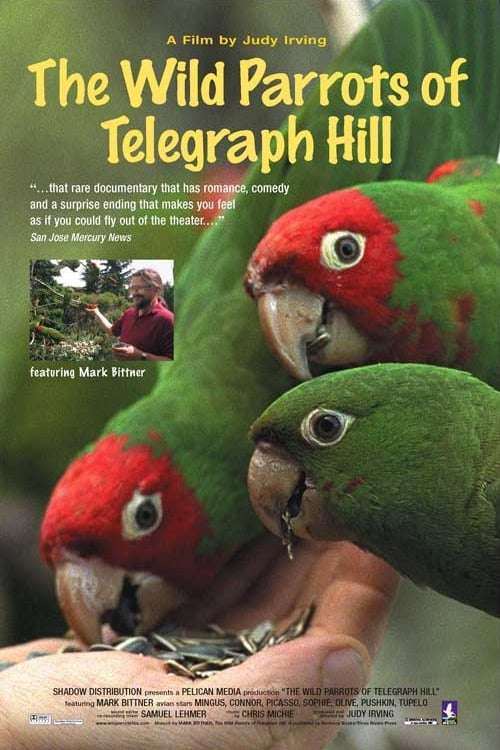
2003
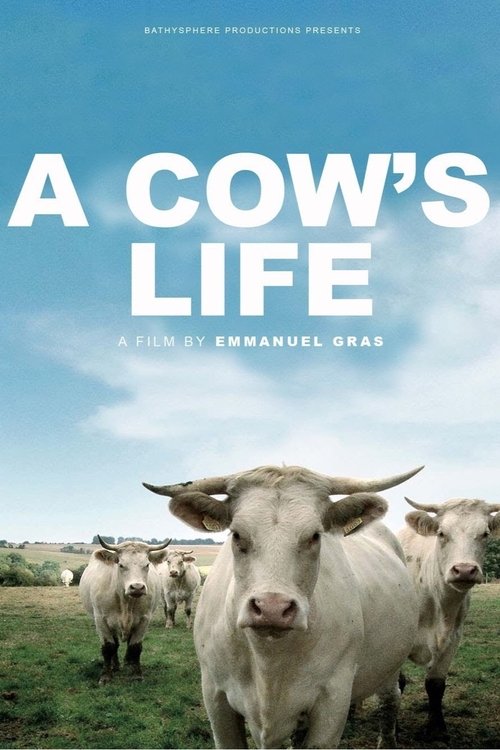
2012
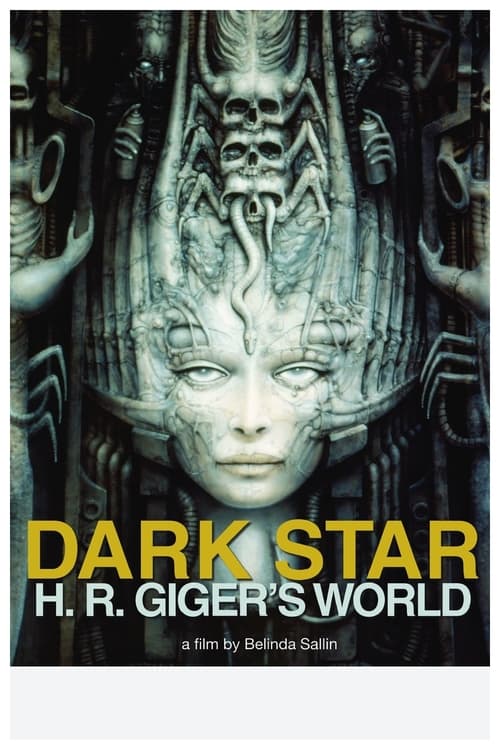
2014

2010
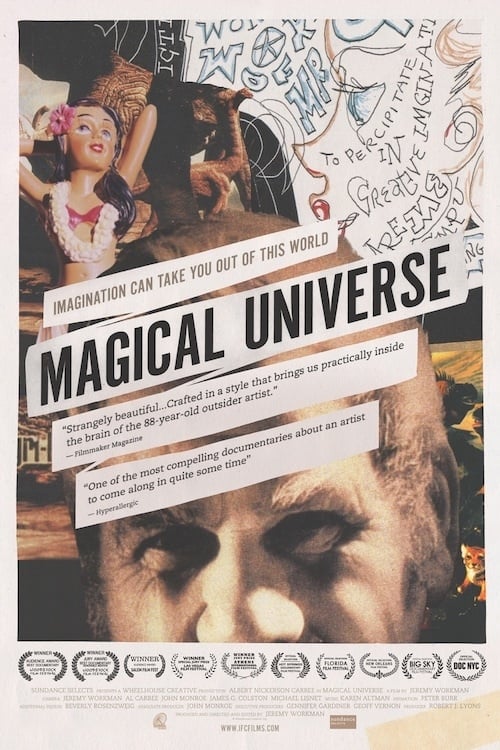
2014

2009
2019
1929
No reviews yet. Be the first to share your thoughts on this movie!
Use the rating form above to leave a star rating and optional review.