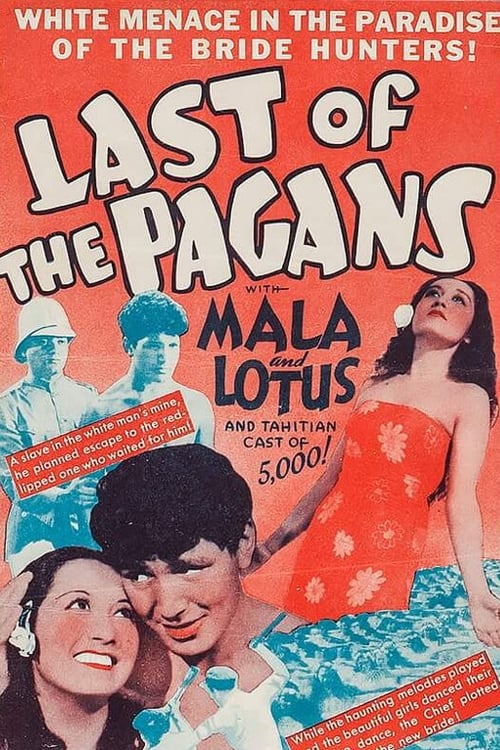
Last of the Pagans
1935
No user ratings available yet
Representation score: 2.9 out of 10
Representation Score
Limited
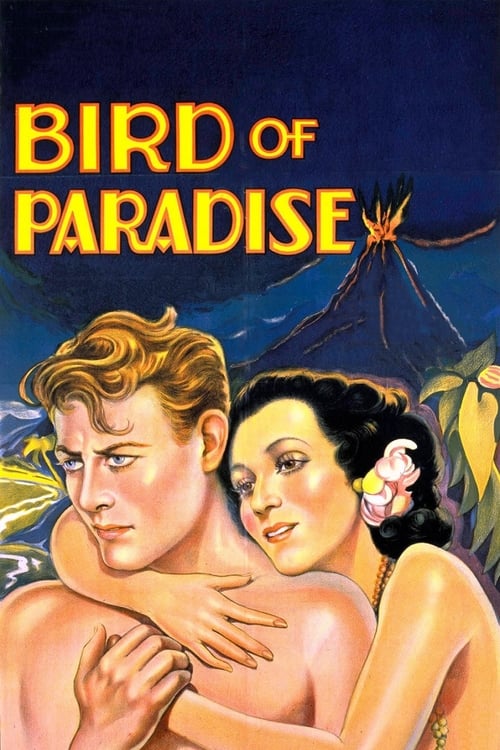
1932
NRDirector
King Vidor
Runtime
80 minutes
Average Rating
No ratings yetNew Showbiz Analysis
Bird of Paradise navigates a transition from Western-centric narratives towards a more exoticized portrayal. The film's strength lies in its subversion of gender roles, giving the female lead decisive power in the climax. However, the representation is constrained by the era's clichés. Casting a Mexican actress to play a Pacific Islander highlights a lack of specific ethnic depth, and the indigenous characters often function as atmospheric elements rather than fully realized individuals. Ultimately, the film offers a subtle critique of Western social norms through its focus on naturalism, even as it remains anchored in romanticized, colonial-era storytelling.
Category Breakdown
The film centers on a heterosexual relationship between the male lead and the Polynesian heroine. There are no LGBTQ+ identities or subtexts explored in the story.
Luana plays a significant role in driving the film's climax through her sacrificial choice. However, she is also tied to the era's tragic feminine archetype.
The film features a non-white lead, but the casting of a Mexican actress in a Polynesian role relies on exoticized clichés. The islanders often serve as a backdrop rather than nuanced characters.
The narrative prioritizes local spiritual morality and naturalism over Western frameworks. It uses the island setting to critique the rigidity of Western social structures.
There are no prominent depictions of physical or neurodivergent disabilities that influence the narrative arc.
Present on Screen
Limited or Absent
Official Synopsis
When a young South Seas sailor falls overboard, the beautiful daughter of a Polynesian king dives in and saves his life. Thus begins the romance of Johnny and Luana. Though Luana is promised to another man, Johnny whisks her away, and for a brief time the lovers live very happily together. But, when a local volcano threatens their lives, Luana knows that she must sacrifice herself to the volcanic gods in order to save her island.
1935
1931
1943
1959
1941
1959
1930
1925
No reviews yet. Be the first to share your thoughts on this movie!
Use the rating form above to leave a star rating and optional review.