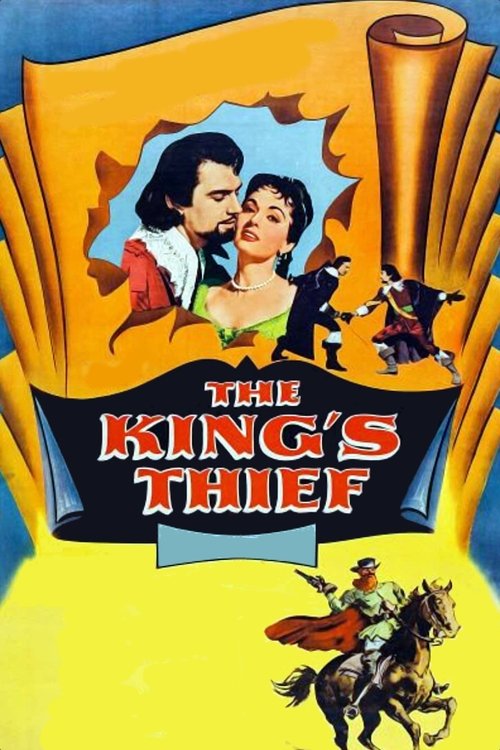
The King's Thief
1955
No user ratings available yet
Representation score: 1.1 out of 10
Representation Score
Minimal
1958
Director
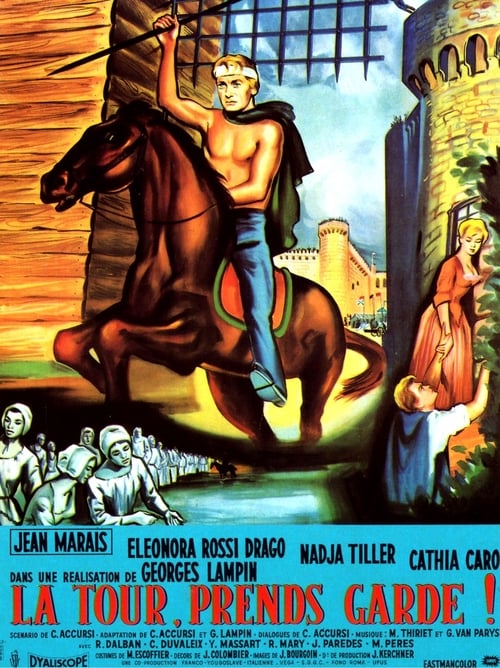
Georges Lampin
Runtime
82 minutes
Average Rating
No ratings yetNew Showbiz Analysis
King on Horseback is a mid-century adventure drama that adheres strictly to the period conventions of 1950s European filmmaking. It prioritizes classical heroism and the romanticism of historical power structures over social critique. The film relies on established clichés, such as the masculine hero's journey and the 'damsel in distress' archetype. These elements reinforce traditional gender roles and social hierarchies rather than challenging them. Ultimately, the work functions as a standard period piece. It lacks the intentionality needed to provide multi-layered representation or disrupt the historical homogeneity of its setting.
Category Breakdown
The film follows a traditional romantic storyline focused on protecting a female character. There are no representations of non-binary gender identities or narratives that challenge the assumption that everyone is straight.
The plot is driven by male characters through duels and military cooperation. Toinon, a central female character, is depicted as needing protection, reinforcing traditional gender roles.
Set during the reign of Louis XV, the film reflects the historical homogeneity of the French court. The narrative centers on French and Austrian aristocracy without showcasing diverse casting.
The story upholds traditional Western institutional values, such as monarchical legitimacy and aristocratic honor. Conflict resolution relies on martial prowess and preserving lineage.
The narrative focuses on physical combat and romantic drama. There are no visible or invisible disabilities portrayed with significant influence in the story.
Present on Screen
Limited or Absent
Official Synopsis
Henri La Tour, a strolling player, is also a daring adventurer. So, when, after accomplishing a brilliant feat, he is awarded a title by King Louis XV, the Duke of Saint-Sever takes offense at it and challenges Henri to a duel. However, while they fight, a group of Austrian soldiers appear suddenly and the two rivals instantly unite to repel their enemies. Unfortunately, Saint-Sever is mortally wounded and, feeling he is about to die, he entreats his new friend to offer protection to Toinon, his natural daughter, whose life is being threatened...
1955
1959
1958
1959
1951
1948
1958
1952
No reviews yet. Be the first to share your thoughts on this movie!
Use the rating form above to leave a star rating and optional review.