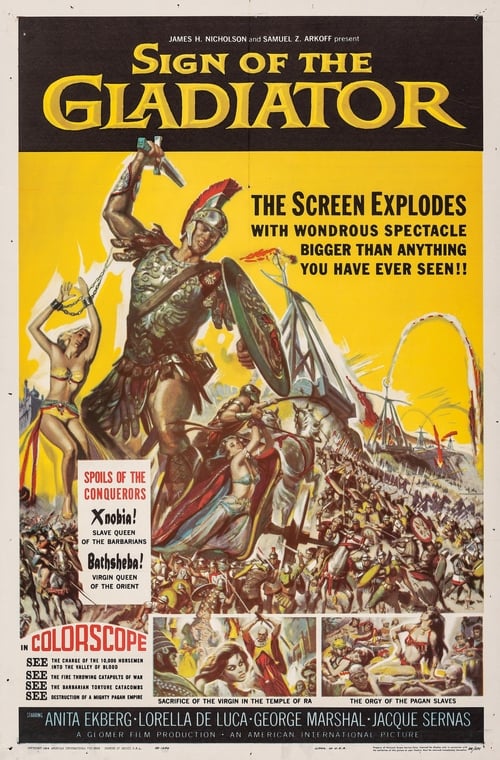
Sign of the Gladiator
1959
No user ratings available yet
Representation score: 0.6 out of 10
Representation Score
Minimal
1937
NRDirector
William Dieterle
Runtime
73 minutes
Average Rating
No ratings yetNew Showbiz Analysis
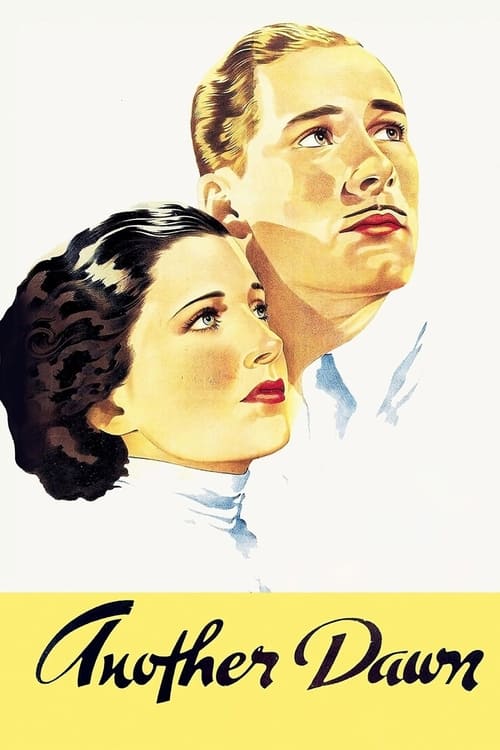
Another Dawn is a traditional period melodrama that upholds the social norms of the 1930s. The plot unfolds as a character-driven tragedy within a colonial military backdrop, favoring conventional romantic clichés over any challenging of identity. The film’s perspective is dominated by the colonial viewpoint, presenting the desert setting and local populations as mere backdrops for British interpersonal drama. This portrayal limits the ability to act of non-Western characters, reducing the film's cultural depth. Overall, the work mirrors the historical status quo of its era, focusing on a localized romantic triangle rather than exploring diverse or multi-layered representations.
Category Breakdown
The film follows traditional romantic structures centered around heterosexual relationships, focusing on a husband, wife, and a third male figure.
Julia Ashton's character is emotionally complex, but her journey revolves around her interactions with men. Her responses to male figures shape her narrative arc.
The story primarily features British characters in a desert environment. Local tribes are portrayed mainly as part of the scenery, supporting the main Western characters.
The narrative is grounded in the military structure and colonial administration of the British Empire, emphasizing the social order of the time.
The film does not include characters dealing with physical, neurological, or mental health disabilities.
Present on Screen
Limited or Absent
Official Synopsis
While on leave, British officer Col. John Wister meets Julia Ashton, a widow who steals his heart despite her overwhelming grief. Enamored, Wister begs her to be his bride, assuring her she will someday learn to love again. After she agrees and they've wed, she accompanies him to a hostile desert region. As predicted, she does find love. However, it is not for her husband but for the handsome Capt. Denny Roark.
1959
1930
1940

1932
1927
1953
1936

1959
No reviews yet. Be the first to share your thoughts on this movie!
Use the rating form above to leave a star rating and optional review.