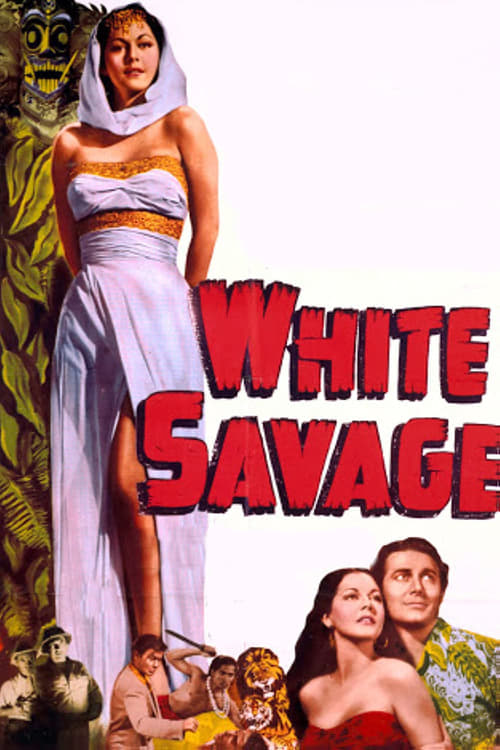
White Savage
1943
No user ratings available yet
Representation score: 1.5 out of 10
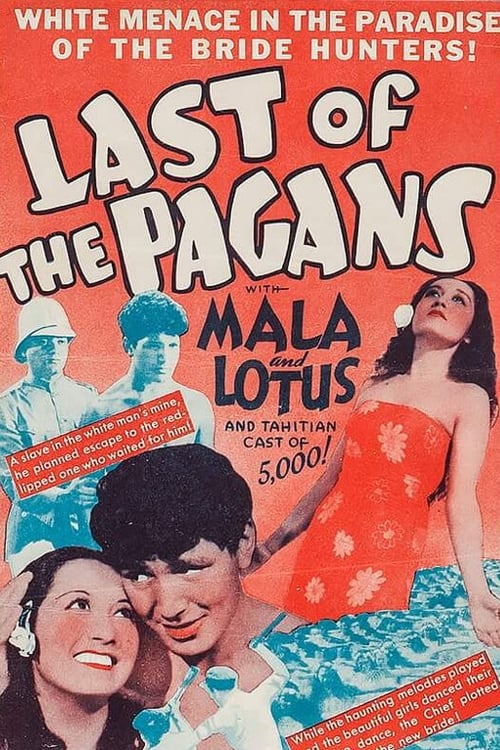
Representation Score
Limited
1935
PassedDirector
Richard Thorpe
Runtime
70 minutes
Average Rating
No ratings yetNew Showbiz Analysis
Last of the Pagans includes a racially diverse cast centered around South Sea Islanders, moving away from the Eurocentric focus common in 1930s Hollywood. However, the film likely leans on the romanticized clichés of 1930s adventure cinema, emphasizing escapism and exoticism over a deeper exploration of indigenous experiences. Ultimately, the film operates within the traditional frameworks of its time, showing no signs of challenging established social hierarchies or exploring multi-layered complexities.
Category Breakdown
The film focuses on a romantic relationship between two South Sea Islanders. There are no indications of LGBTQ+ identities or themes within the story.
The story follows a romantic drama structure typical of the 1930s. It likely upholds traditional gender roles and social hierarchies of the era.
The film features a predominantly non-white cast as its main characters. This contrasts with the Eurocentric casts common in 1930s Hollywood.
The film sets its story in an indigenous South Sea culture. However, it likely portrays this culture through an exoticized lens rather than a deeper exploration of its traditions.
There is no information available regarding the portrayal of characters with disabilities in this film.
Present on Screen
Limited or Absent
Official Synopsis
Two South Sea Islanders fall in love, followed by a hurricane.
1943
1931
1932
1959
1941
1937
1930
1932
No reviews yet. Be the first to share your thoughts on this movie!
Use the rating form above to leave a star rating and optional review.