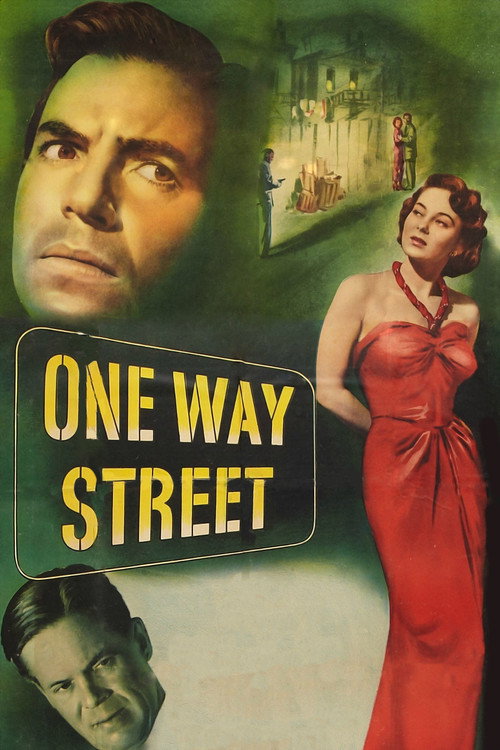
One Way Street
1950
No user ratings available yet
Representation score: 2.0 out of 10
Representation Score
Limited
1949
Director
Hugo Fregonese
Runtime
88 minutes
Average Rating
No ratings yetNew Showbiz Analysis
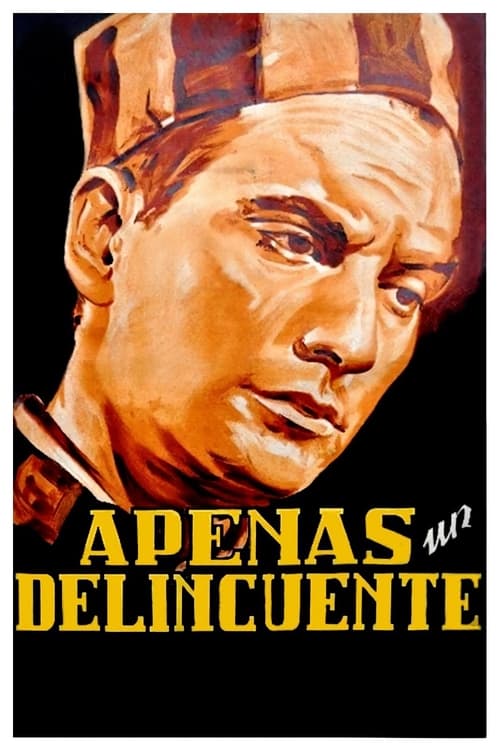
Hardly a Criminal is a mid-century crime drama that benefits from its Argentine setting. Unlike many American films of the era, it avoids the racial homogeneity often seen in Hollywood productions. However, the film remains confined by the social norms of 1949. It lacks LGBTQ+ representation and reinforces traditional gender roles and power dynamics. Overall, the film's strength lies in its critique of institutional morality, offering a more nuanced moral landscape compared to typical genre fare.
Category Breakdown
The film does not include any LGBTQ+ characters or stories that go beyond the assumption that everyone is straight or cisgender.
The story revolves around a male protagonist dealing with legal and financial issues. Female characters are mostly seen in traditional supporting or domestic roles.
Being an Argentine production, the film offers a non-Anglo-Saxon setting that contrasts with the homogeneity often found in Hollywood films of the time.
The film explores moral relativism through a protagonist who exploits legal systems. This approach questions the integrity of state and banking institutions.
There is no evidence of physical or neurodivergent disabilities portrayed in the film's main storyline.
Present on Screen
Limited or Absent
Official Synopsis
A bank employee uses a loophole in Argentine law to concoct the perfect crime, planning to reap the rewards of his embezzlement after serving six years in prison…
1950
1959
1935
1941
1937

1964
1956
1950
No reviews yet. Be the first to share your thoughts on this movie!
Use the rating form above to leave a star rating and optional review.